DHAKA: Bangladesh and Myanmar have agreed to take assistance from the UN refugee agency for the repatriation of hundreds of thousands of Rohingya Muslims, Bangladesh Foreign Minister Abul Hassan Mahmood Ali said on Saturday.
The two governments signed a pact on Thursday settling terms for the repatriation process, and the return of Rohingya to Myanmar is expected to start in two months.
Uncertainty over whether the United Nations High Commissioner for Refugees (UNHCR) would have a role had prompted rights groups to insist that outside monitors were needed to safeguard the return of the Rohingya to Myanmar.
More than 600,000 Rohingya sought sanctuary in Bangladesh after Myanmar’s military launched a brutal counter insurgency in their villages across northern parts of Rakhine State following attacks by Rohingya militants on an army base and police posts on August 25.


![]()
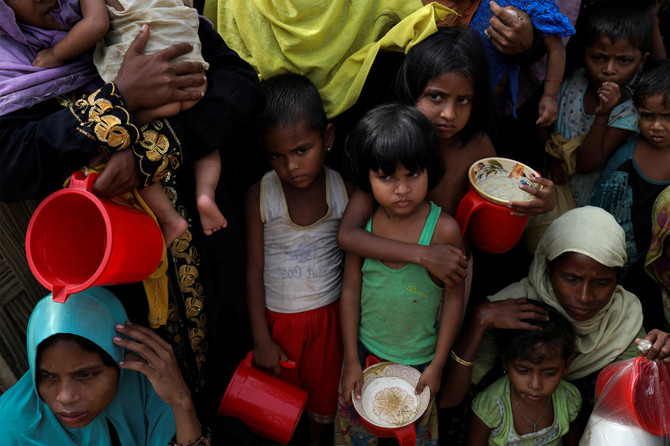
Bangladesh says agreed with Myanmar for UNHCR to assist Rohingya’s return
Bangladesh says agreed with Myanmar for UNHCR to assist Rohingya’s return

Latest updates


© 2026 SAUDI RESEARCH & PUBLISHING COMPANY, All Rights Reserved And subject to Terms of Use Agreement.