CAIRO: Saudi Arabia has called for an urgent meeting of Arab League foreign ministers in Cairo on Sunday to discuss Iran’s destructive meddling in the region.
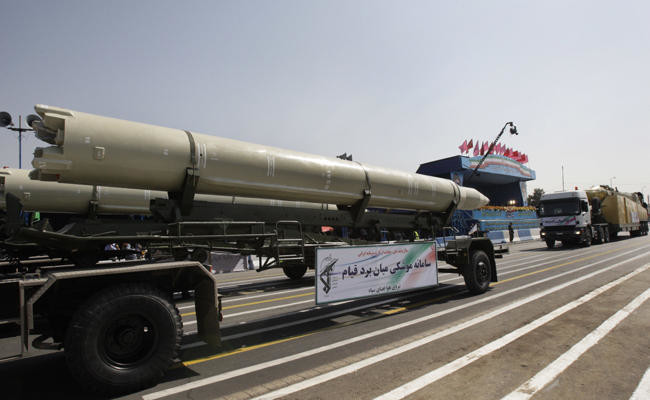
The call follows the launch of an Iranian-supplied ballistic missile at Riyadh from Houthi militia-held territory in Yemen on Nov. 4, and an explosion and fire at a Bahraini oil pipeline last Friday, also blamed on Iran.
Saudi Arabia’s Crown Prince Mohammed bin Salman later accused Iran of “direct military aggression” against the Kingdom by supplying the Houthis with ballistic missiles.
Bahrain and the UAE supported the Saudi request, which was also approved by Djibouti, the current chair of the League.
In a memo requesting the meeting, Saudi Arabia attacked the “sabotage” and “terrorism” of the pipeline fire, which temporarily halted oil supplies from its territory. The memo referred to the fire and the missile attack “in addition to the violations committed by Iran in the Arab region, which undermine security and peace, not only in the Arab region, but around the globe.”
On Saturday, Bahrain’s Foreign Minister Sheikh Khalid bin Ahmed Al-Khalifa blamed Iran for the pipeline explosion. “The attempt to blow up the Saudi-Bahraini pipeline is a dangerous escalation on Iran’s part that aims to terrorize citizens and to harm the world oil industry,” he said.
Yousef Al-Othaimeen, secretary-general of the Organization of Islamic Cooperation, expressed full solidarity with Bahrain in combating all forms of terrorism.
Abdullatif Al-Zayani, the Gulf Cooperation Council secretary-general, said: “The attack was a serious terror crime, which endangers Bahrain’s supreme interests and terrifies both citizens and residents.”
According to Reuters, the Iran-backed Houthi rebels threatened on Sunday to attack warships and oil tankers “from enemy countries” in retaliation for the closure of Yemeni ports last week by the Saudi-led coalition fighting to restore Yemen’s legitimate government.
The coalition has said aid workers and supplies would continue to have access to Yemen.


![]()
Arab League to meet on Iran 'violations'
Arab League to meet on Iran 'violations'


Latest updates


© 2026 SAUDI RESEARCH & PUBLISHING COMPANY, All Rights Reserved And subject to Terms of Use Agreement.