DUBAI: International Finance Corporation (IFC), a member of the World Bank Group, on Sunday said it had completed a $653 million debt package to finance building 13 solar power plants near Aswan in Egypt, planned to be part of the largest solar park in the world.
Generating up to 752 megawatts of solar power, the Nubian Suns Feed-in-Tariff Financing Program is targeted to provide power to more than 350,000 residents and create up to 6,000 jobs during construction.
In an effort to overcome frequent energy shortages and take advantage of year-round sunshine, Egypt announced plans in 2014 to develop renewable energy, a prospect that has enticed foreign investors.
IFC and a consortium of nine international banks will provide a $653 million debt package to finance construction of 13 solar power plants, which will join 19 other plants to make up the Benban Solar Park – the largest private-sector financing package for a solar photovoltaic facility in the Middle East and North Africa.
The plants will cost a total of $823 million to build, IFC said in a release.
The consortium includes Asian Infrastructure Investment Bank, African Development Bank, CDC, Finnfund, Oesterreichische Entwicklungsbank, Industrial and Commercial Bank of China, Europe Arab Bank, Arab Bank and Finance in Motion/Green for Growth Fund.
“This creates an ecosystem of investors for Egypt for this program and broadens the capital base for future infrastructure spending,” Erick Becker, manager of infrastructure and natural resources Middle East and North Africa for IFC, said.
IFC, which provided $202 million in financing for the project, was studying other potential opportunities in Egypt with renewable energy, both in solar and wind, Becker said. It has more than doubled the renewable share of its global power portfolio in the past decade.
Egypt’s Feed-in-Tariff program aims to use private-sector capital and expertise to help achieve its goal of providing 20 percent of its electricity from renewable resources by 2022.
“The country is really trying to tap the private investment cycle as it needs a lot more jobs for its young people and the renewable-energy sector is one vehicle for doing that,” Ashish Khanna, program leader of sustainable development at the World Bank, told Reuters. World Bank worked with the Egyptian government to help reform the electricity sector.
The Multilateral Investment Guarantee Agency, also part of the World Bank Group, will provide $210 million in political risk insurance to 12 projects within Benban.


![]()
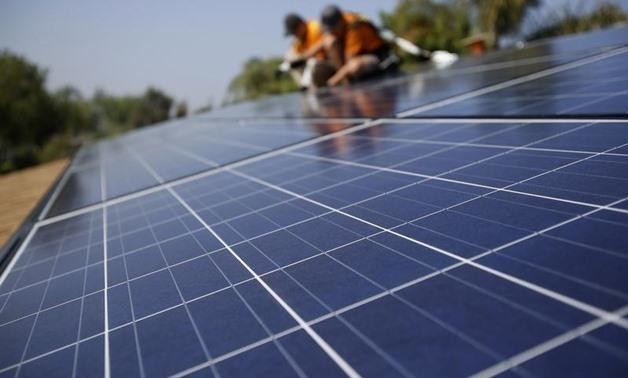
IFC closes $653 million financing for Egypt solar plants
IFC closes $653 million financing for Egypt solar plants


Latest updates


© 2026 SAUDI RESEARCH & PUBLISHING COMPANY, All Rights Reserved And subject to Terms of Use Agreement.