JEDDAH: The Muslim World League (MWL) on Saturday criticized the methodology and findings of a UN report on children in armed conflict.
The report commended the Saudi-led coalition to restore legitimacy in Yemen for its actions to improve child protection, and for its cooperation with the UN.
However, the report by Secretary-General Antonio Guterres, which was submitted to the Security Council last week, also blamed the coalition and Iran-backed Houthi rebels for causing the deaths of children in the conflict in Yemen.
The MWL said that, on behalf of the Muslim world and the many organizations, Islamic and non-Islamic, with which it was affiliated, it rejected the findings of the report.
It pointed out that in August, the UN itself had applauded the work undertaken by the King Salman Center for Relief and Humanitarian Aid (KSRelief) and the center for the rehabilitation of Yemeni children.
The MWL said the documentation in the UN report failed to reach international standards, and the report had failed to determine liability with a proper investigation.
“The Houthi militias have thwarted relief efforts between 2015 and 2017 — 65 aid ships, 124 relief convoys, 628 trucks, 5,500 food baskets and 6,000 bags of flour were looted by the militias during this period,” the MWL said.
“Furthermore, between 2015 and 2017, Houthi militias have carried out numerous attacks against many UN and other relief organizations and aid workers in Sanaa, Taiz, Hajjah, Al-Hudeidah, Ibb and Aden. They have committed acts of murder and kidnapping and blocked entry to, looted and forcibly closed aid offices. This has been part of the Iran-backed Houthis’ crimes against the Yemeni people since they hijacked legitimacy in the country.
“The UN secretary-general’s report should have drawn on the apparent physical evidence of all the tragedies and challenges, and the UN must reveal the truth about those who committed those crimes and support the coalition in overcoming the challenges.”
The MWL said the coalition was “more than glad to restore happiness and stability in Yemen and ensure its children’s safety and prosperous future. The coalition has taken upon itself to unite Yemen under one legitimate government. It sees the beauty of the country’s diversity and believes it is the source of its wealth, prosperity and development, and aims to renew its political, intellectual and social unity under an independent, civilized government that enjoys sovereignty.”

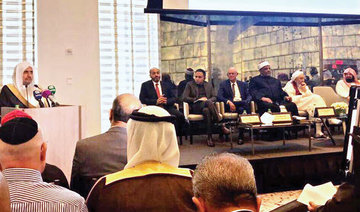
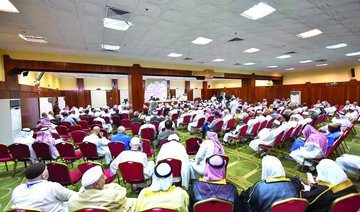
MWL rejects UN report on children in conflict
US transfers thousands of Daesh detainees from Syria to Iraq
BAGHDAD: The United States Central Command said it has completed the transfer of more than 5,700 detained Daesh group suspects from Syria to Iraq.
The detainees from some 60 countries had for years been held in Syrian prisons run by Kurdish-led forces before the recapture of surrounding territory by Damascus prompted Washington to step in.
CENTCOM said it “completed a transfer mission following a nighttime flight from northeastern Syria to Iraq on Feb 12 to help ensure Daesh detainees remain secure in detention facilities.”
“The 23-day transfer mission began on Jan 21 and resulted in US forces successfully transporting more than 5,700 adult male Daesh fighters from detention facilities in Syria to Iraqi custody,” it added in a statement.
The US had previously announced it would transfer around 7,000 detainees.
Daesh swept across Syria and Iraq in 2014, committing massacres and forcing women and girls into sexual slavery.
Backed by US-led forces, Iraq proclaimed the defeat of Daesh in the country in 2017, and the Kurdish-led Syrian Democratic Forces (SDF) ultimately beat back the group in Syria two years later.
The SDF went on to jail thousands of suspected jihadists and detain tens of thousands of their relatives in camps.
- 61 countries -
Last month, Syrian troops drove Kurdish forces from swathes of northern Syria, sparking questions over the fate of the Daesh prisoners.
Lingering doubts about security pushed Washington to announce it would transfer them to Iraq to prevent “a breakout” that could threaten the region.
“We appreciate Iraq’s leadership and recognition that transferring the detainees is essential to regional security,” said head of CENTCOM Admiral Brad Cooper.
“Job well done to the entire Joint Force team who executed this exceptionally challenging mission on the ground and in the air,” he added.
Iraq’s National Center for International Judicial Cooperation (NCIJC) said 5,704 Daesh detainees of 61 nationalities have arrived in Iraq.
They include 3,543 Syrians, 467 Iraqis, and another 710 detainees from other Arab countries.
There are also more than 980 foreigners including those from Europe, Asia, Australia and the United States.
The NCIJC said Iraq’s judiciary will interrogate the detainees before taking legal action against them.
Many prisons in Iraq are already packed with Daesh suspects.
Iraqi courts have handed down hundreds of death sentences and life terms to those convicted of terrorism offenses, including foreign fighters.
Under Iraqi law, terrorism and murder offenses are punishable by death, and execution decrees must be signed by the president.
The detainees in Syria were transferred to Baghdad’s Al-Karkh prison, once a US Army detention center known as Camp Cropper, where former ruler Saddam Hussein was held before his execution.
To make space for the newcomers, authorities moved thousands of prisoners from the Karkh prison to other facilities, a lawyer and an inmate told AFP on condition of anonymity.
- Repatriation -
Iraq has issued calls for countries to repatriate their nationals among the Daesh detainees, though this appears unlikely.
For years, Syria’s Kurdish forces also called on foreign governments to take back their citizens, but this was done on a small scale limited to women and children held in detention camps.
Most foreign families have left northeast Syria’s Al-Hol camp, which holds relatives of Daesh fighters, since the departure of Kurdish forces who previously guarded it, humanitarian sources told AFP on Thursday.
Last month, the Syrian government took over the camp from Kurdish forces who ceded territory as Damascus extended its control across swathes of Syria’s northeast.
The detainees from some 60 countries had for years been held in Syrian prisons run by Kurdish-led forces before the recapture of surrounding territory by Damascus prompted Washington to step in.
CENTCOM said it “completed a transfer mission following a nighttime flight from northeastern Syria to Iraq on Feb 12 to help ensure Daesh detainees remain secure in detention facilities.”
“The 23-day transfer mission began on Jan 21 and resulted in US forces successfully transporting more than 5,700 adult male Daesh fighters from detention facilities in Syria to Iraqi custody,” it added in a statement.
The US had previously announced it would transfer around 7,000 detainees.
Daesh swept across Syria and Iraq in 2014, committing massacres and forcing women and girls into sexual slavery.
Backed by US-led forces, Iraq proclaimed the defeat of Daesh in the country in 2017, and the Kurdish-led Syrian Democratic Forces (SDF) ultimately beat back the group in Syria two years later.
The SDF went on to jail thousands of suspected jihadists and detain tens of thousands of their relatives in camps.
- 61 countries -
Last month, Syrian troops drove Kurdish forces from swathes of northern Syria, sparking questions over the fate of the Daesh prisoners.
Lingering doubts about security pushed Washington to announce it would transfer them to Iraq to prevent “a breakout” that could threaten the region.
“We appreciate Iraq’s leadership and recognition that transferring the detainees is essential to regional security,” said head of CENTCOM Admiral Brad Cooper.
“Job well done to the entire Joint Force team who executed this exceptionally challenging mission on the ground and in the air,” he added.
Iraq’s National Center for International Judicial Cooperation (NCIJC) said 5,704 Daesh detainees of 61 nationalities have arrived in Iraq.
They include 3,543 Syrians, 467 Iraqis, and another 710 detainees from other Arab countries.
There are also more than 980 foreigners including those from Europe, Asia, Australia and the United States.
The NCIJC said Iraq’s judiciary will interrogate the detainees before taking legal action against them.
Many prisons in Iraq are already packed with Daesh suspects.
Iraqi courts have handed down hundreds of death sentences and life terms to those convicted of terrorism offenses, including foreign fighters.
Under Iraqi law, terrorism and murder offenses are punishable by death, and execution decrees must be signed by the president.
The detainees in Syria were transferred to Baghdad’s Al-Karkh prison, once a US Army detention center known as Camp Cropper, where former ruler Saddam Hussein was held before his execution.
To make space for the newcomers, authorities moved thousands of prisoners from the Karkh prison to other facilities, a lawyer and an inmate told AFP on condition of anonymity.
- Repatriation -
Iraq has issued calls for countries to repatriate their nationals among the Daesh detainees, though this appears unlikely.
For years, Syria’s Kurdish forces also called on foreign governments to take back their citizens, but this was done on a small scale limited to women and children held in detention camps.
Most foreign families have left northeast Syria’s Al-Hol camp, which holds relatives of Daesh fighters, since the departure of Kurdish forces who previously guarded it, humanitarian sources told AFP on Thursday.
Last month, the Syrian government took over the camp from Kurdish forces who ceded territory as Damascus extended its control across swathes of Syria’s northeast.
© 2026 SAUDI RESEARCH & PUBLISHING COMPANY, All Rights Reserved And subject to Terms of Use Agreement.