SINGAPORE: Kuwait expects to seal new deals to supply Chinese buyers with crude amid healthy demand for its exports in Asia, an oil official from the OPEC Gulf producer told Reuters.
The country also plans to export a new light crude grade by January, as well as spending $120 billion (SR450 billion) over the next five years on expanding both its upstream and downstream businesses, said Waleed Al-Bader, deputy managing director marketing at state-run Kuwait Petroleum Corporation (KPC).
“We see now very healthy refining margins ... this is mainly because of the past months of the OPEC cuts,” Al-Bader said in an interview at the KPC office in Singapore on Wednesday, referring to a push led by Organization of the Petroleum Exporting Countries to curb global crude supply.
“We see medium sour demand is very healthy and we have been approached by several customers for additional cargoes or for new contracts in China.”
The buyers include some small independent Chinese refiners, known as ‘teapots’, said Al-Bader, who was in China last week.
He added that there had been some “firm” enquiries from buyers, mainly for single initial shipments of 2 million barrels, with the potential for discussing term contracts for next year.
Kuwait also plans to start selling a new grade of crude called Kuwait Super Light from January, said Al-Bader. The new light sour grade has an API gravity of 47 and a sulfur content of 1.6 percent, Al-Bader said.
Production of the new grade could reach up to 120,000 barrels per day, he said, but the company is still studying the pricing mechanism for the grade.
The Gulf oil producer’s capital expenditure plan from 2017 until 2022-23 is $120 billion, with most spending planned for its upstream operations, he said.
Kuwait’s output capacity now stands at 3.2 million bpd, with the company aiming to boost that to around 3.3 million bpd by end of the next fiscal year. Kuwait has been pumping around 2.7 million bpd, sticking to it production target under the OPEC supply cut pact, Al-Bader said.
Al-Badr said that he expected OPEC to extend output cuts beyond March 2018, with KPC seeing oil prices in a range of $50-60 a barrel for next year.
Kuwait is also studying establishing a new firm to market refined oil products. The company would help Kuwait sell oil products mainly from its refining joint venture at Duqm in Oman.
“We have got the approvals ... on establishing the company. We have different options and scenarios and we are studying them,” Al-Bader said.
“Hopefully by end of this year, we will have a full report to present ... on how to move forward,” he said, adding that whether the new firm would be a joint venture with another international oil company or trading house, or would be wholly owned by KPC is still being studied.


![]()
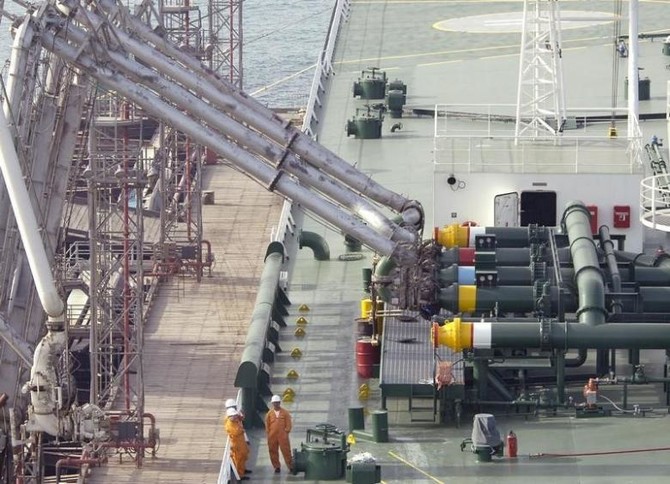
Kuwait expects to seal new deals to supply oil to Chinese buyers
Kuwait expects to seal new deals to supply oil to Chinese buyers


Latest updates


Recommended


© 2026 SAUDI RESEARCH & PUBLISHING COMPANY, All Rights Reserved And subject to Terms of Use Agreement.