BEIJING: S&P Global Ratings downgraded China’s long-term sovereign credit rating by one notch on Thursday to A+ from AA-, citing increasing risks from the country’s rapid build-up of credit.
“The downgrade reflects our assessment that a prolonged period of strong credit growth has increased China’s economic and financial risks,” S&P said in a statement, adding that the ratings outlook was stable.
S&P’s downgrade follows a similar demotion by Moody’s Investors Service in May and comes as the government grapples with the challenges of containing financial risks stemming from years of credit-fuelled stimulus spurred by the need to meet official growth targets.
It also comes less than a month ahead of a highly sensitive twice-a-decade Communist Party Congress which will see a key leadership reshuffle.
Concerns about China’s sustained strong credit growth appear to be increasing, even as first-half economic growth beat expectations.
China’s stock markets were already closed Thursday when the downgrade was published, and there was little reaction from the yuan.
S&P said that recent efforts by the government to reduce corporate leverage could stabilize financial risks in the medium-term.
“However, we foresee that credit growth in the next two to three years will remain at levels that will increase financial risks gradually,” S&P said.
S&P also lowered China’s short-term rating to A-1 from A-1+.
“The improved outlook for trade is welcome news, but substantial risks that threaten the world economy remain in place and could easily undermine any trade recovery,” WTO Director-General Roberto Azevedo said in a statement.
“These risks include the possibility that protectionist rhetoric translates into trade restrictive actions, a worrying rise in global geopolitical tensions and a rising economic toll from natural disasters.”
However, trade growth was becoming more synchronized across regions than it had been for many years, which could make the current trend self-reinforcing, he said.
The fast pace of 2017, which followed a very weak year, is unlikely to be sustained in 2018, with US and euro zone monetary policy expected to tighten and China likely to rein in easy credit to stop its economy from overheating, the WTO said.
“All of these factors should contribute to a moderation of trade growth in 2018 to around 3.2 percent (the full range of the estimate being from 1.4 percent to 4.4 percent),” it said.
The ratio of trade growth to GDP growth, which traditionally ran at about 2:1 but has slumped to about 1:1 in the decade since the financial crisis, should rise this year, with trade growing 1.3 times faster than the global economy, it said.


![]()
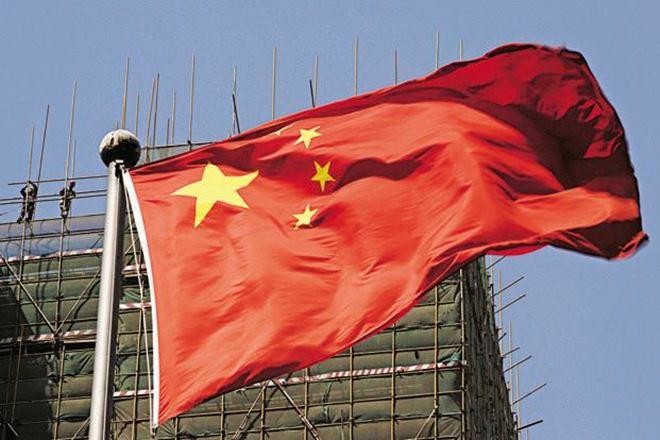
S&P downgrades China’s credit rating, cites rising debt
S&P downgrades China’s credit rating, cites rising debt


Latest updates





© 2026 SAUDI RESEARCH & PUBLISHING COMPANY, All Rights Reserved And subject to Terms of Use Agreement.