NEW DELHI/JERUSALEM: Indian state-run Oil and Natural Gas Corp. (ONGC) plans to bid for Israeli offshore oil-and-gas exploration blocks, India’s oil minister told Reuters, the first major deal between the two countries since a groundbreaking trip by Prime Minister Narendra Modi in July.
India and Israel have deep defense ties but Modi and his right wing ruling group are pushing to expand the relationship into other sectors such as energy and technology with a country they see as a natural ally against terrorism.
A high-ranking delegation from India, the world’s third-biggest oil consumer, visited Israel last month to discuss taking part in the tender for blocks in the Mediterranean Sea and Israeli officials said they were pleased with the visit.
“We will definitely bid for Israel’s oil-and-gas blocks,” Indian Oil Minister Dharmendra Pradhan told Reuters.
There was no immediate comment from Israel’s Energy Ministry.
When Modi visited Israel in July, both sides showed interest to build a broader economic relationship, rather than one based on defense, which had drawn them together because of similar concerns about militant threats they face. They are starting from a relatively low economic base as bilateral trade was just $2 billion in 2016.
Many oil majors have been hesitant to enter the Israeli market, fearing a backlash from oil-rich Arab states hostile to the country.
Israel put 24 exploration blocks up for auction in November 2016 and the country’s Energy Minister Yuval Steinitz has said he would be happy to choose two or three foreign explorations groups. The auction closes on Nov 15.
India is conducting a technical and commercial analysis to participate in Israel’s bidding process, said Sanjay Sudhir, a joint secretary in the federal Oil Ministry, who led the delegation.
“We dove into all the relevant details of the tender — geological, technical — and familiarised them with Israel’s oil and gas ecosystem,” an official at Israel’s Energy Ministry said on the Indian team’s visit, declining to be identified in the absence of permission to speak to the media.
Israel wants to open up its hydrocarbon sector, which is currently dominated by a partnership of Noble Energy and Delek Group. They control the Tamar and the much larger Leviathan fields.
India also wants to participate in the upcoming auction to explore and develop gas fields off the coast of Lebanon, Pradhan said in July. Three of those blocks border waters with Israel, with which Lebanon has a long-standing maritime border dispute.
ONGC is India’s biggest energy exploration firm and a source at its overseas investment arm ONGC Videsh said the firm would not bid for any block in areas disputed by Israel and Lebanon.
“Israel has said that none of the blocks it has offered are in disputed waters,” said the source.
Another state-run explorer, Oil India Ltd, has not yet decided to bid in Israel’s licensing round, the Indian company’s chairman, Utpal Bora, told Reuters.
India’s decision to bid for blocks off Israel and Lebanon comes after a setback in getting development rights for a giant gas field in Iran.
Indian companies discovered the Farzad B gas field in Iran in 2008 and have bid several times for the development rights, but media reports suggest that Tehran has decided to award the field to Russia’s Gazprom.


![]()
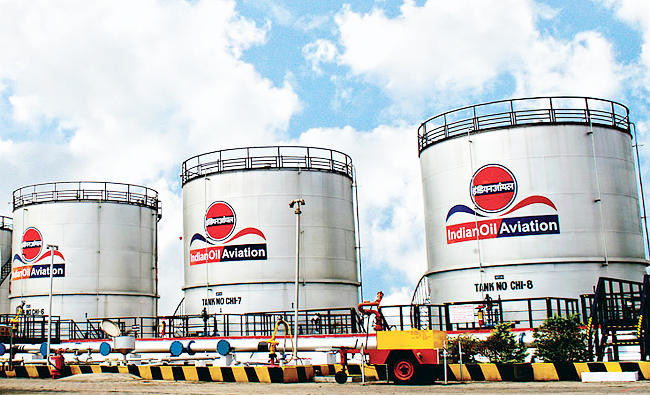
India to bid for Israel oil-and-gas exploration blocks
India to bid for Israel oil-and-gas exploration blocks


Latest updates





Recommended


© 2026 SAUDI RESEARCH & PUBLISHING COMPANY, All Rights Reserved And subject to Terms of Use Agreement.