LONDON: Saudi visitors to London are turning to fitness camps to give their kids a vacation workout.
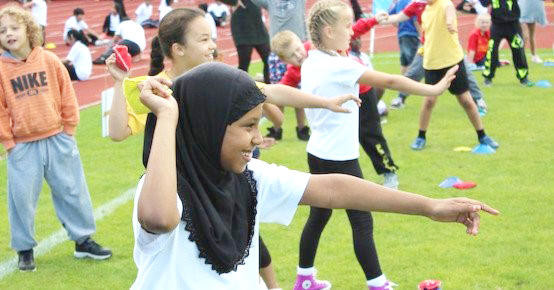
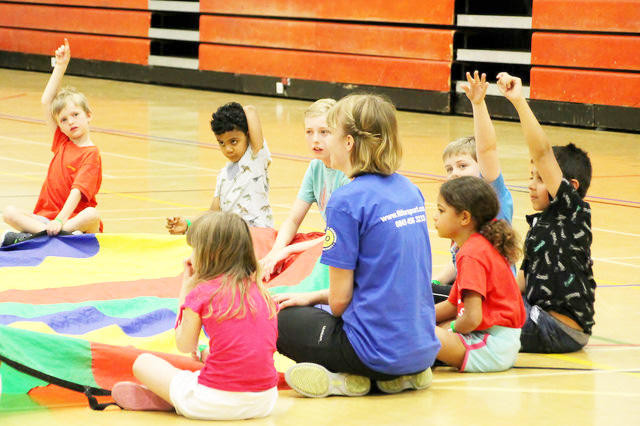
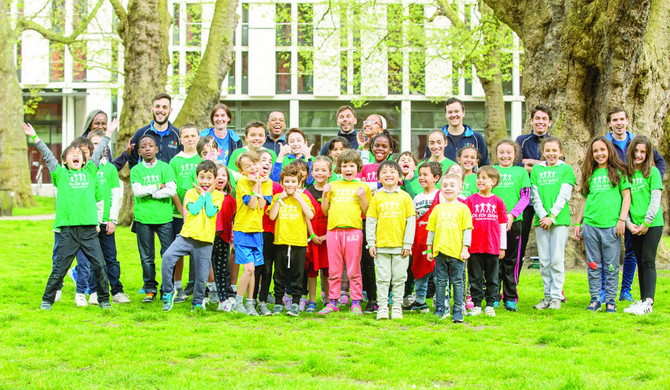
The west London-based summer camp Fit for Sport has seen record numbers of visiting Arab children signing up for nine weeks of activities, the firm’s owner Dean Horridge told Arab News.
He said 70 percent of the camp’s pupils are Arabs, hailing from countries such as Saudi Arabia and the UAE.
With the camp’s upmarket South Kensington site just a stone’s throw from Hyde Park, 110 children are coached in daily activities such as swimming and rock climbing, from July to September, at a cost of around £240 ($309) per week.
“We work a lot with the local Arab embassies. The children come to London in the summer months as the Gulf region is too hot,” said Horridge, who runs summer camps across the country and works with 250 UK schools to provide after-class activities and PE curriculum support.
“Our camps are a great chance to showcase how it feels to be active and, more importantly, how much better the children feel after activity,” he added.
“Initially there’s a reluctance for children to get involved in the sports activities we provide, but very quickly they realize this is fun. The difficulty is trying to convey that back to the parent.”
Horridge said he welcomes the UAE’s recent move to raise the price of soft drinks and energy drinks by up to 100 percent.
“Some of the children come with lunchboxes that are full of junk and don’t have the right food. Some of them have nannies that bring the food at lunchtime. No 7-year-old needs a bucket of rice for lunch, but they’ll eat it just because it’s part of life and the norm,” he said.
“We encourage some healthy snacks like apples, which help children to lose weight. The kids start off very unfit, so we have to embed a program that builds up their confidence and makes them gradually fitter. We have to be careful as we don’t want to damage their self-esteem.”
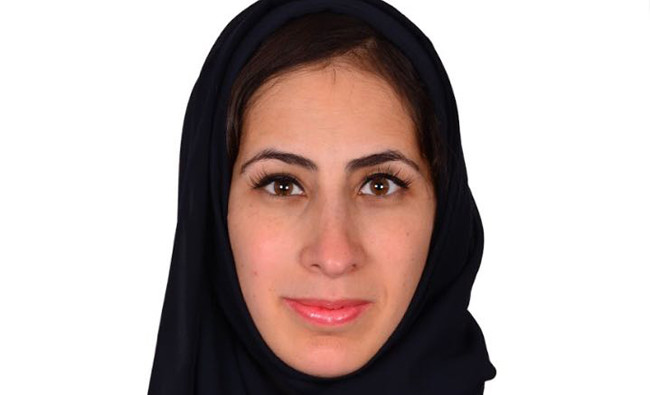
Dr. Nada Farsi, a Saudi dentist based in London for the summer months, has enrolled her children Maya (10) and Zahair (5) in the South Kensington summer camp.
“They love it very much. They’re happy doing different activities, such as lots of walking to museums and parks,” she told Arab News.
“It’s the nature of the city, and they always get excited by looking at how many steps they’ve done.”
Farsi said she leads an active lifestyle and goes to an adult boot camp three times a week. “Physical health is so important, and I want to pass that on to my children,” she added.
“I also send the children to basketball and soccer classes in Jeddah for four hours a week. In the beginning they found it hard, but now they enjoy it as they’re used to it.”
She said levels of obesity in Jeddah concern her. “I see many obese kids. They shouldn’t be that obese, and I wonder how they’ll fare into adulthood.”
Farsi urged more government initiatives to encourage physical activity among the population. “PE lessons for girls have just been implemented, but we need more. We need more sidewalks and cycle lanes,” she said.
“We want to walk but we can’t. I miss this in Saudi Arabia. We need more parks and green places.”
Sin taxes, such as those introduced in Saudi Arabia and the UAE on sugary drinks, could help quell the region’s child obesity epidemic and encourage more active lifestyles, said Sonia Saxena, professor of primary care and head of the child health unit at the School of Public Health, Imperial College, London.
“The UK government has introduced similar measures but they don’t go far enough,” Saxena said. “This move from the UAE is bold and very welcome.”
She added that raising the price of soft drinks has already been proven to reduce obesity in countries such as Mexico. “All the evidence shows this is a good move,” she said.
The researcher, who is a visiting coach for the Dubai government on child obesity issues, added that soft drinks have “considerable sugar,” which can contribute to obesity in children and adults.
“Children and adults also need to eat five fruit and vegetables a day, decrease their sedentary activity and screen time, and increase exercise activity,” Saxena said.
“Most importantly, there needs to be a regional change in the culture. There has to be a culture that permits and promotes children to be active.”
Horridge said regional governments should take a 360-degree approach. “It’s a partnership between schools and parents to get kids active. If you don’t get kids active and eating healthily from an early age, children become overweight, disengaged and very lazy,” he said.
“Unfortunately, if that’s embedded at a young age it lasts a lifetime. This is very important to prevent issues such as diabetes, obesity and heart disease.”


![]()
![]()
![]()
![]()
![]()
![]()
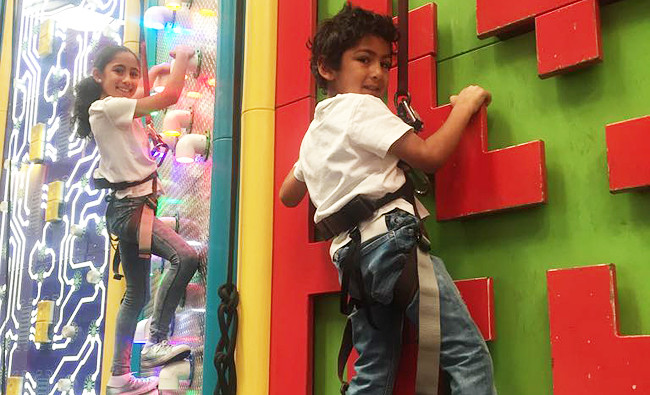
Saudi kids flock to London fitness camps amid regional obesity epidemic

Saudi kids flock to London fitness camps amid regional obesity epidemic

Latest updates


© 2026 SAUDI RESEARCH & PUBLISHING COMPANY, All Rights Reserved And subject to Terms of Use Agreement.