




RIYADH: As Ramadan falls during winter this year, thoughtful preparation and planning is needed for a range of health and nutritional challenges.
Nutrition and fitness specialists emphasize that gradual pre-Ramadan adjustments and the selection of digestion-friendly foods are essential for a comfortable fasting experience, particularly for individuals with irritable bowel syndrome and other conditions.
Tailored strategies are especially important for athletes. Proper timing of protein intake, sufficient calories, and well-structured meals and supplements are critical to prevent muscle loss and fatigue amid a short eating window and colder weather.
Amal Althayed, a clinical dietitian specialist, highlights the importance of “smart gradual preparation” before Ramadan to avoid digestive shock, especially for those with IBS.
She recommends starting one to 10 days before Ramadan by gradually delaying the evening meal and reducing daytime portions. This approach helps align the body’s biological clock and digestive system.
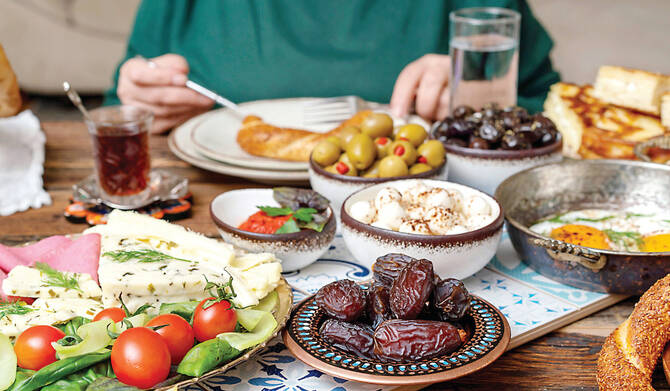
At the onset of fasting, Althayed suggests prioritizing digestion-friendly foods. Iftar should start with warm liquids, such as bone broth, accompanied by simple carbohydrates and light proteins. Fried foods and heavy legumes should be avoided initially.
She also stresses the importance of a balanced sahoor, focusing on protein and soluble fiber — such as boiled eggs with whole wheat bread — while minimizing simple sugars and refined carbohydrates.
Heavy evening stimulants such strong coffee, chocolate, and high-sugar foods can irritate the digestive system and worsen symptoms, particularly for individuals with IBS, Althayed warns.
The key to navigating nutritional challenges during Ramadan — whether related to digestion or cravings for sweets — lies in mindful food choices, dietary balance, and listening to the body. Consulting a dietitian to create a personalized plan is strongly advised, she says.
Khaled Alhasher, CEO of Next Stage, a company specializing in dietary supplements, told Arab News that the main nutritional challenge during winter fasting is not dehydration, as commonly believed, but insufficient calorie and protein intake due to a short eating window and early satiety.
Alhasher recommends starting iftar with fast-digesting protein, taking supplements such as creatine before exercise, having a post-workout protein and carbohydrate meal, and ending the day with slow-digesting casein protein before bedtime.
Exercise immediately before iftar should be limited to light or moderate intensity. The body should be fueled with carbohydrates and protein at sahoor, while strong stimulants or Branched-Chain Amino Acid supplements should be avoided during fasting, he cautions.
Despite reduced thirst in winter, fluid and electrolyte replenishment remains essential. Sipping water during non-fasting hours and consuming electrolyte drinks after exercise helps maintain hydration.
Preventing muscle breakdown depends on consuming adequate protein —1.6 to 2.2 grams per k of body weight — taking casein before sleep, maintaining regular training, and using creatine, Alhasher says.
He also recommends supplements that are particularly important in winter — vitamin D, magnesium, zinc, and omega-3 — for their role in addressing deficiencies, supporting immunity, and aiding recovery.
The most common mistake is relying on supplements to compensate for a poor diet. Alhasher said: “Supplements complement; they don’t replace. Prioritize adequate calories, sufficient protein, and quality sleep first.”
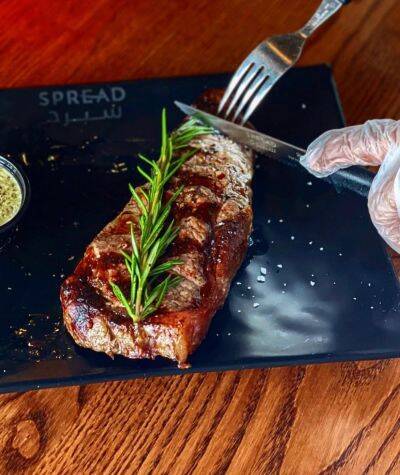
Mahmoud Shaheen, head chef at Spread in Riyadh, says Ramadan offers an ideal opportunity to reset dietary habits in a healthy and balanced way while preserving the spirit of the traditional table.
Moderation and ingredient quality are essential for comfortable and harmonious fasting. Shaheen explains that iftar should start gradually, with warm fluids such as water or herbal tea and a moderate amount of dates.
Main dishes can be both healthy and indulgent by using methods such as grilling or slow cooking, paired with high-quality proteins including chicken or lean meats, and accompanied by vegetables, brown rice, or whole grains.
For desserts, Shaheen recommends lighter, balanced options, such as grilled fruits with yogurt or low-sugar pudding. Portion control is key to enjoying them without overloading the digestive system.
He also notes the benefits of mild winter spices, such as cardamom, cinnamon, and cumin, to enhance flavor without straining the body, while reducing hot spices and excessive sodium.
“Ramadan is not a season of excess, but a time for balance,” he said.


