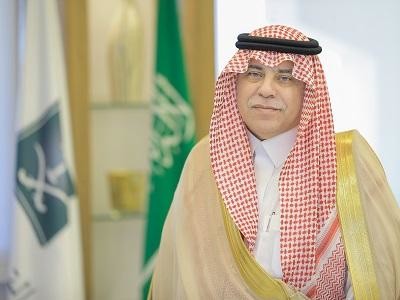
RIYADH: The Red Sea project will pave the way for partnerships with the world’s leading tourism companies, Commerce and Investment Minister Majid Al-Qassabi said Wednesday.
The project was launched Tuesday by Crown Prince Mohammed bin Salman, deputy premier, interior minister and chairman of the Public Investment Fund (PIF).
Al-Qassabi said the project “is the first of its kind,” adding that it “will provide great investment opportunities and open the way for partnerships with the world’s leading companies in the tourism sector, boosting the national economy according to Vision 2030.”
Minister of Culture and Information Awwad bin Saleh Al-Awwad said The Red Sea project will serve the country and its citizens, and will help diversify the economy.
Ahmed bin Sulaiman Al-Rajhi, chairman of the board of the Riyadh Chamber of Commerce and Industry (RCCI), said the project will significantly support Vision 2030 by attracting quality investments, diversifying sources of national income and driving the economy.
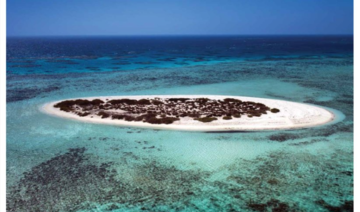
It will also contribute to developing the Saudi entertainment infrastructure, he said, pointing out that special tourist resorts will be developed on more than 50 natural islands between the cities of Umlaj and Al-Wajh, allowing visitors to discover the hidden treasures of the Red Sea region.
Al-Rajhi said the project reflects great confidence in the Saudi investment climate, and the importance and multiplicity of investment opportunities in various fields.


![]()
Red Sea project to attract global tourism companies: Al-Qassabi
Red Sea project to attract global tourism companies: Al-Qassabi

Latest updates


© 2026 SAUDI RESEARCH & PUBLISHING COMPANY, All Rights Reserved And subject to Terms of Use Agreement.