The number of people with an immigrant background in Germany has jumped to a record high of 18.6 million — but voters may not care as the country prepares to go to the polls.
The figures released by the Federal Statistics Office Tuesday are unlikely to affect next month’s election, according to a leading German political analyst.
The statistics reveal that just over a fifth of the population — 22.5 percent — are first or second generation immigrants with at least one parent born without German citizenship, and that around 2.3 million people in Germany have family ties to the Middle East, as reported by Reuters.
The release of the figures comes just under eight weeks before national elections on Sept. 24, with Chancellor Angela Merkel’s Social Democratic challenger warning against a repeat of 2015, when she opened the borders to hundreds of thousands of migrants.
But while such figures might cause consternation in the UK or France, Dr. Charlotte Galpin, deputy director of the Institute for German Studies at Birmingham University, claims any impact they have on Merkel’s chances of re-election will likely be minimal.
“These figures are definitely getting news coverage but I’m not sure how much they will change the result of the election,” Dr. Galpin told Arab News.
“It’s well known that in 2015 Angela Merkel allowed one million refugees to enter Germany, so in effect these figures are simply putting a number on information people already have.
“There is a concern about immigration in Germany and so these figures could gain traction. But Merkel’s CDU party has recovered its popularity (since the refugee influx) and is at about 40 percent in the polls. The far-right group, the AfD, has collapsed in popularity so it’s not in a great position to capitalize on any negative sentiment surrounding these figures.”
The issue of immigration has proved to be a toxic one for many European countries and their politicians over the past few years. In Germany, however, while still an issue, the discussion about immigration does not tend to travel down the populist path.
“It’s not as toxic an issue as it has become in the UK. One of the reasons for this is the responsible media system in the country,” Dr. Galpin added.
“The media were broadly behind the ‘welcome culture’ toward the refugees and has generally been supportive of the refugee policy.
“There is far less populism around the issue in Germany. Merkel is not a populist and has always governed from the center.
“That’s not to say it won’t be an issue and the CDU will worry about it in the election but I think we’ll see tougher rhetoric on the issue of asylum seekers who have had their applications turned down, rather than the broader issue of immigration.”


![]()
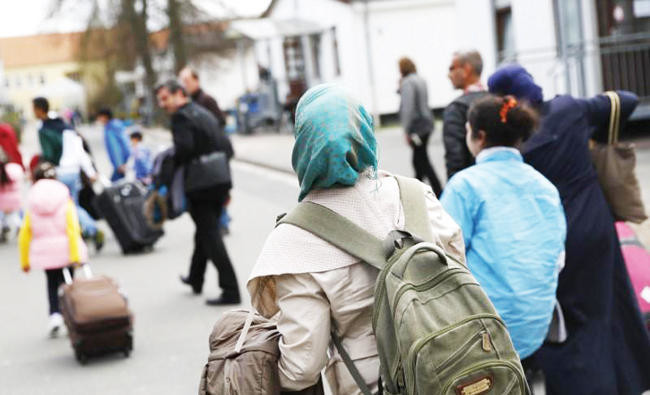
Record German immigrant background population ‘unlikely’ to sway poll outcome
Record German immigrant background population ‘unlikely’ to sway poll outcome
Latest updates


© 2026 SAUDI RESEARCH & PUBLISHING COMPANY, All Rights Reserved And subject to Terms of Use Agreement.