WASHINGTON: If you are planning to visit the US capital of Washington you may have already drafted an itinerary that includes such tourist must-sees as the Lincoln Memorial, the Washington Monument, the Smithsonian Institution and the White House.
But Washington’s spook agencies — the Federal Bureau of Investigation (FBI) and the Central Intelligence Agency (CIA) — are strictly off-limits.
For those visitors who seek a little more intrigue while in town, how about an adventure that includes local spies, counter-intelligence operations and a peek at the inner workings of the FBI and CIA?
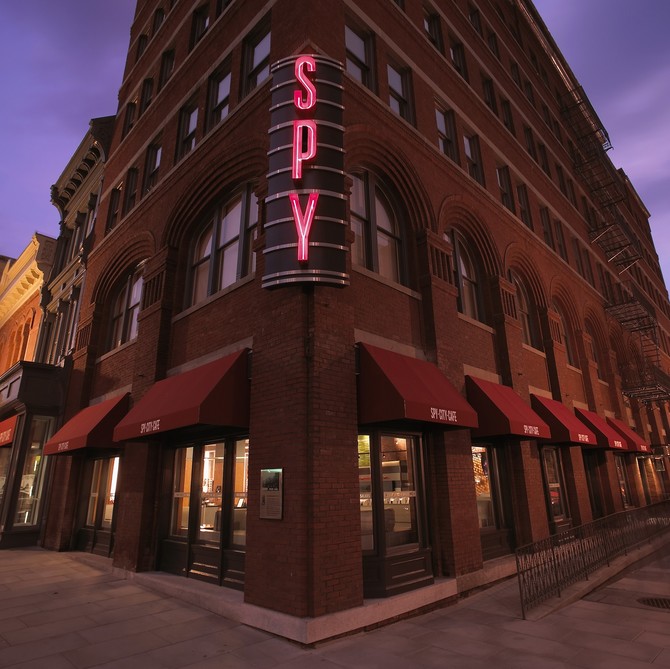
To explore the murky world of espionage in Washington, tourists can visit the International Spy Museum and book a spot on the Spies of Washington Tour.
International Spy Museum: Espionage history, undercover gadgets and 007’s bullet-proof car
“The International Spy Museum is the only public museum that offers an objective perspective on the world of espionage,” Aliza Bran, the museum’s marketing director, told Arab News.
“It’s our goal to educate people of all ages with an inside look into the craft, practice, history and contemporary role of espionage.”
Many of the guides, docents and administrators at the museum have served in intelligence agencies in the past. Many visitors, says Bran, are also spies, current and former, who bring their families “to finally gain an understanding of what their mom or dad did but could never talk about.”
Jonna Hiestand Mendez, a museum board member who worked for the CIA for 27 years, said that the US intelligence community was not at all enthusiastic when the museum opened in 2001.
“In fact, at first, people in the (intelligence community) were quite skeptical of our intentions,” she said.
Over time, however, relations warmed between the organizations that keep the nation’s secrets and the private museum created to honor and celebrate them. Mendez told Arab News that her fellow board members now include former heads of the CIA R. James Woolsey and General Michael V. Hayden as well as former senior KGB member Major General Oleg Kulugin. Former FBI Director William H. Webster and former MI5 Director General Dame Stella Rimington are also on the board.
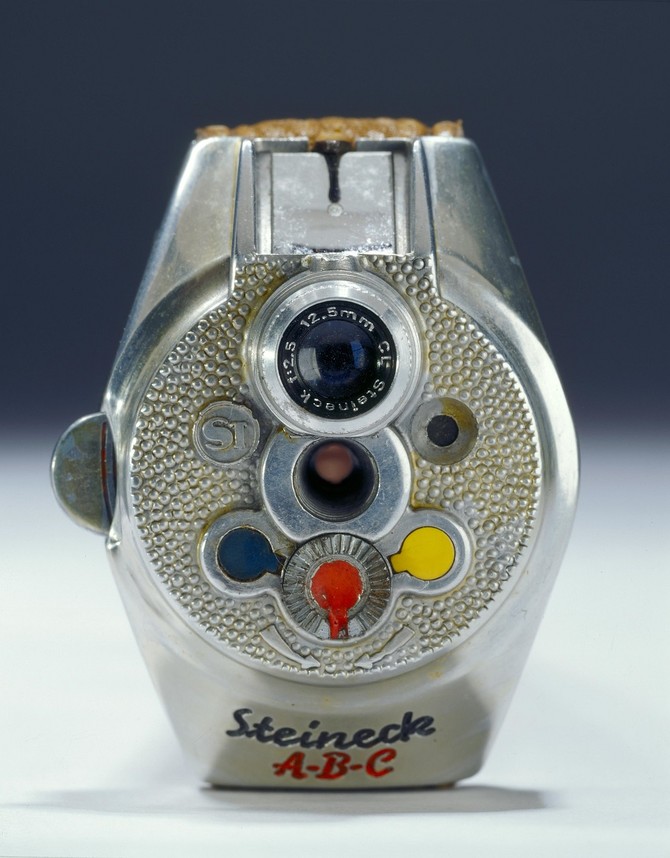
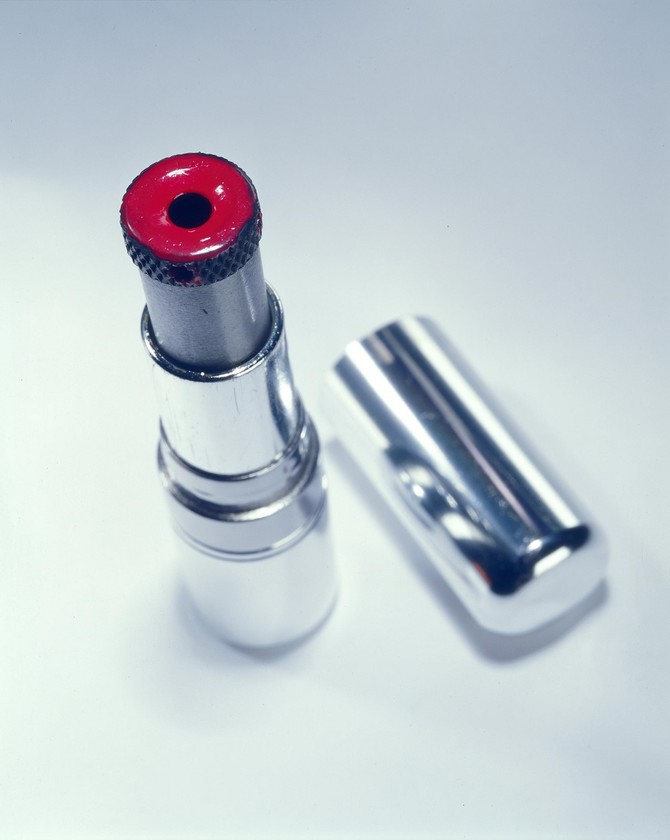
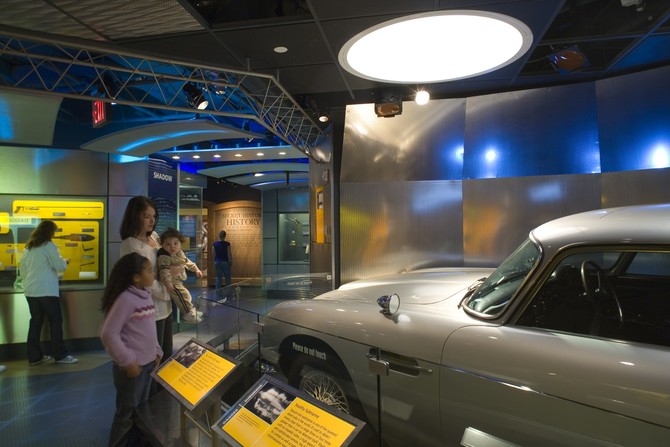
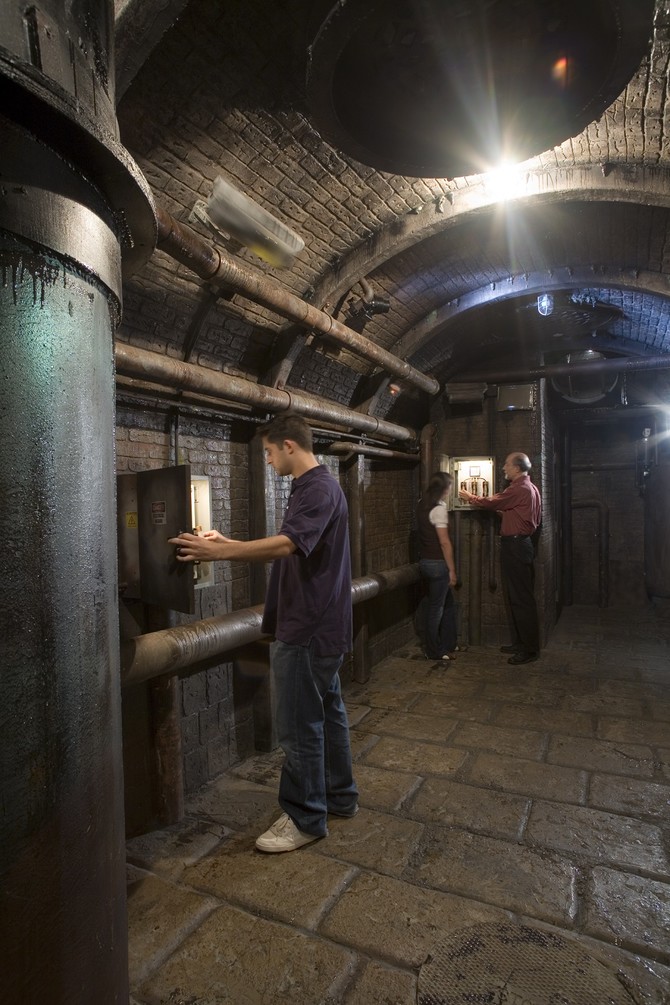
The museum’s extensive collection — including spy cameras, concealable lock-picking kits, cipher machines and a replica of the silver Aston Martin DB5 used in the 1964 James Bond film “Goldfinger” — is currently housed in a semi-renovated row of houses on F Street, NW, directly across from the National Portrait Gallery.
Due to the museum’s success, it is set to move to a larger building on 10th Street, SW, in 2018.
“About five percent of the (International) Spy Museum will focus on pop culture items — movie props, books, materials from TV shows — because that is generally how the public is introduced to espionage,” Peter Earnest, the museum’s director and former CIA officer, told Arab News.
The museum houses the largest collection of international espionage artifacts ever placed on public display, added Earnest.
“Many of these objects are being seen by the public for the first time. They illuminate the work of famous spies and pivotal espionage actions (and) help bring to life the strategies and techniques of the men and women behind some of the most secretive espionage missions in world history.”
Spies of Washington Tour: Cloak-and-dagger espionage in the capital
Benjamin Franklin (1706-90), one of the US’ Founding Fathers, famously wrote: “Three people can keep a secret, but only if two of them are dead.”
Secrets are the closely-held stock-in-trade of Washington’s most powerful intelligence agencies but visitors to this city can learn about them, and live to re-tell the tales, during an escorted tour called the Spies of Washington.
“Washington is the political capital of our country, but it is also the ‘spying capital’ of the country,” Carol Bessette, a former Air Force intelligence officer and founder of the tour company, told Arab News.
“Since its earliest days, Washington was the scene of international intrigue, espionage and intelligence activity as the US government tried to learn the plans of other countries while keeping its own plans secret.
“International focus has been on the White House and the US Capitol, but there are ‘spy sites’ throughout the city,” she added.
Whether traveling by bus or on foot, guests on the tour will see sights such as the mailbox on R Street, NW, where CIA spy Aldrich Ames left chalk-mark signals to his Soviet handlers, the Wisconsin Avenue bistro in Georgetown where KGB defector Vitaly Yurchenko bolted from his CIA handlers in 1985, the spot in President’s Park across from the White House where Civil War spies plotted to overthrow President Abraham Lincoln, Alger Hiss’ — a US government official and a Soviet spy in 1948 — row house at 2905 P St. NW and the spot in Sheridan Circle — just in front of the Irish and Turkish embassies — where a car bomb planted by Chilean operatives in 1976 killed former diplomat Orlando Letelier.
“Our tours visit many of the usual sights of Washington but with a totally different perspective — espionage and betrayal, the stories that in many cases were considered hush-hush for many years,” Bessette said.
“What happened in these ordinary places? Why was the spy motivated to betray his or her country? How did the spy manage to deceive co-workers, friends and family, sometimes for years?”
The tour attempts to answer all these questions but, as is to be expected when exploring the shadowy world of secrets and spies, there will always be more questions than answers.
Luckily, this is all part of the fun.


![]()
![]()
![]()
![]()
![]()
![]()
![]()

Secrets, spies in Washington: Tourist must-sees for a look at the murky world of US espionage

Secrets, spies in Washington: Tourist must-sees for a look at the murky world of US espionage


Latest updates


© 2026 SAUDI RESEARCH & PUBLISHING COMPANY, All Rights Reserved And subject to Terms of Use Agreement.