TEHRAN: A top Tehran-based official from Iraq’s Kurdish government has said its planned independence referendum is really a negotiating tactic to pressure Baghdad into meeting promises on energy and power-sharing.
Nazem Dabbagh, who represents the Kurdistan Regional Government in Tehran, also said he feared that Iraqi forces would attack Kurdish positions now that the fight to retake Mosul from Daesh was over.
But he was adamant that the Iraqi Kurds would prefer to remain part of Iraq, despite calling a referendum on independence for Sept. 25.
“We are doing this (holding the referendum) to resolve our problems in Iraq. For now, we do not have the intention of separating,” Dabbagh said in an interview with AFP at his office in the Iranian capital.
“We don’t feel that Iraq accepts us. For this reason, we seek to use appropriate opportunities — through diplomacy, Parliament and the people — in order to demand our rights. If they (Iraq) don’t want to solve our problems, our people are ready to sacrifice.”
Dabbagh accused Baghdad of failing to meet several key promises outlined in the Iraqi constitution of 2005, including resolving the status of Kirkuk, a city on the border between the Kurds’ semi-autonomous region and the rest of Iraq.
He said Baghdad had also failed to ratify laws on oil revenues and funding for the Kurdish security forces, known as the Peshmerga, despite the latter’s crucial role in pushing back Daesh.
“I believe that a Baathist mentality still exists among some Iraqi leaders,” said Dabbagh, referring to the previous regime under Saddam Hussein.
“They don’t accept others. They always resort to military force to resolve problems.”


![]()
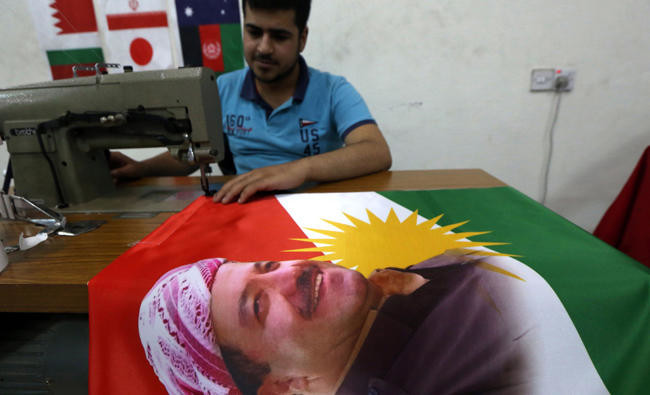
Referendum is a negotiating tactic, says Iraqi Kurd official
Referendum is a negotiating tactic, says Iraqi Kurd official
Latest updates


Recommended


© 2026 SAUDI RESEARCH & PUBLISHING COMPANY, All Rights Reserved And subject to Terms of Use Agreement.