JEDDAH: The Gulf Association for Rights and Freedoms has appealed to two international rights organizations for an urgent intervention over Qatar’s move to ban expat workers taking their annual leave.
The association has sent an “urgent appeal” to the International Labour Organization and UN High Commissioner for Human Rights in Geneva, asking them to “intervene urgently regarding the grave violation” the Qatari government is currently committing against citizens and expats, according to the UAE state news agency WAM.
Approximately 2.2 million expats work in Qatar, the majority from countries in Asia.
The ban on Qatari nationals and expat workers taking annual leave may endanger their working conditions, according to Mohammed Hayef, the rights association’s spokesperson.
Hayef warned that such a decision is likely to increase rates of serious and fatal work accidents, “due to depriving workers and placing them under harsh working conditions and physical, psychological and social pressures,” he said.
Qatar’s decision “contradicts the conventions of the International Labour Organization and the Universal Declaration of Human Rights, and violates the basic human right to enjoy annual leave,” Hayef said.
“By this unjust decision, Qatar has violated the most important universal and humanitarian provision in the International Labour Organization’s constitution,” which clearly condemns working conditions “involving injustice, hardship and privation to large numbers of people as to produce unrest so great that the peace and harmony of the world are imperilled.”
Hayef referred to construction workers on the 2022 FIFA World Cup project, who are also negatively affected by the ban.
According to a previous report, more than 1,200 construction workers died while building stadiums for the 2022 World Cup in Qatar. “One human rights agency estimates more than 4,000 construction workers will die building World Cup-related infrastructure,” the previous report said.


![]()
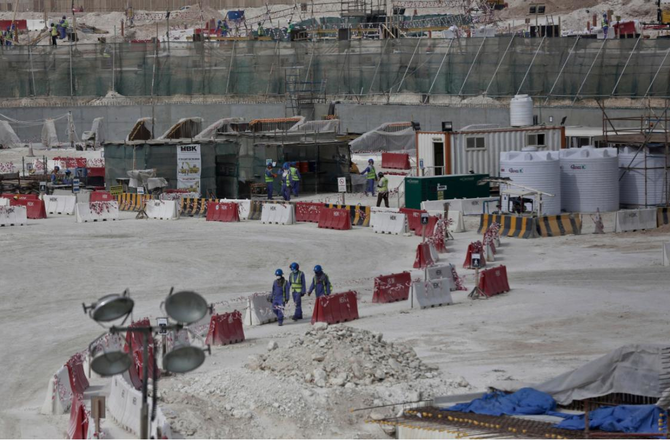
Rights group slams Qatar ban on expat workers taking annual leave
Rights group slams Qatar ban on expat workers taking annual leave



Latest updates



Recommended


© 2026 SAUDI RESEARCH & PUBLISHING COMPANY, All Rights Reserved And subject to Terms of Use Agreement.