JEDDAH: Oil prices have rebounded since Friday as speculators expect growth in US crude oil production to slow, following a fall in the rig count and a small unexpected drop in weekly US production.
The future contracts for Brent and West Texas Intermediate (WTI) in London and New York may see another and greater push in July, as fewer oil shipments from the Organization of the Petroleum Exporting Countries (OPEC) hit the market.
The reduction in exports from OPEC countries in June is expected to have an impact on prices in July because it takes around 50 to 55 days for the crude shipped from the Middle East to reach East Asia and North America.
“The fall in exports will lead to a fall in stored crude onshore and offshore, but the main question (is): Will OPEC maintain the cuts?” said Abdulsamad Al-Awadhi, a London-based analyst and former national representative for Kuwait at OPEC. “Few people in the market believe that OPEC countries will not raise exports once they see prices improve.”
OPEC’s oil production is expected to show an increase in June, according to different market surveys from agencies including Reuters, as more oil is produced in Libya and Nigeria. However, OPEC as a whole is expected to ship less crude despite the high pumping from some oil fields.
According to different oil tanker estimates compiled by Arab News, crude exports from Iraq, Iran, Kuwait and the UAE edged lower in June.
The fall in exports from OPEC last month is expected to be between 300,000 to 400,000 barrels per day (bpd), an amount expected to support upward price movement but not significant enough to lower global oil stocks, which have been above their five-year seasonal average for a long time.
Saudi Arabia has delivered on its promise to cut exports to the US in June, data from different oil-tanker trackers showed, but the country has shipped more crude to Asia.
“We are seeing a fairly widespread rebound in the June numbers,” Matt Smith, director of commodity research at ClipperData was quoted as saying by CNBC.
“That has been the trend of OPEC loadings all year: Move to compliance and move out of it from an export perspective.”
High compliance by Gulf producers Saudi Arabia and Kuwait helped keep OPEC’s adherence with its supply curbs at a historically high 92 percent in June, compared with 95 percent in May, a Reuters survey published on June 30 found.


![]()
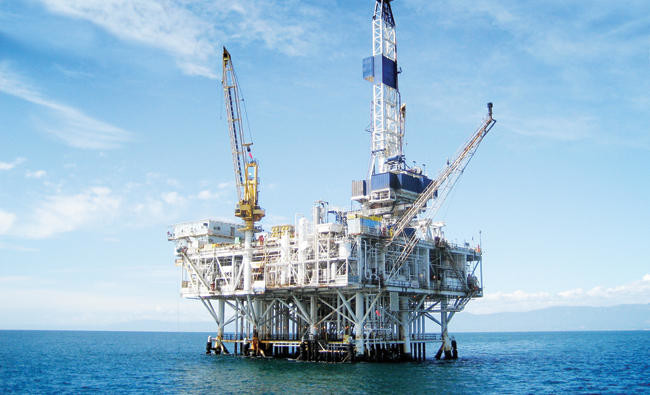
Oil prices may improve as OPEC exports fall
Oil prices may improve as OPEC exports fall
Latest updates


Recommended


© 2026 SAUDI RESEARCH & PUBLISHING COMPANY, All Rights Reserved And subject to Terms of Use Agreement.