RIYADH: Children as young as four-year-old years are becoming so addicted to smart phones and iPads that they require psychological treatment and help for other ailments including weak vision and memory, local pediatricians warned on Sunday.
“Parents who allow babies and toddlers to access tablets and computers for several hours a day are in danger of causing dangerous long-term effects,” said Dr. Yacoub Haddad, a consultant pediatrician at Al-Hammadi Hospital.
“Children may need compulsive behavior therapy if they become distressed and inconsolable when an iPad is taken away from them.”
Haddad said parents should ensure their children spend less time on the gadgets so they can communicate with their surroundings and develop properly.
The number of mobile subscriptions alone exceeded 47 million in the Kingdom by the end of 2016, according to data from the Ministry of Communications and Information Technology (MCIT).
The ministry recently reported increased demand for Internet services with higher speeds and larger packages. The total number of Internet users exceeded 24 million by the end of last year.
According to studies conducted by a panel of psychiatrists, the number of people who have become digitally dependent has risen by 30 percent over the past three years, said pediatrician Dr. Harish Kumar, adding that “exposure to radiation may also play a role in a growing spate of serious problems for children as well as for adults.”
Children who use cellphones and iPads excessively can suffer from vision loss, hearing deficit, autism, behavioral changes, insomnia, ringing of ears (tinnitus), Alzheimer’s and disturbances to the nervous system, he said.
Dr. Richard Graham, who launched the UK’s first technology addiction program four years ago, said children experienced the same withdrawal symptoms as alcoholics or heroin addicts when the devices were taken away.


![]()
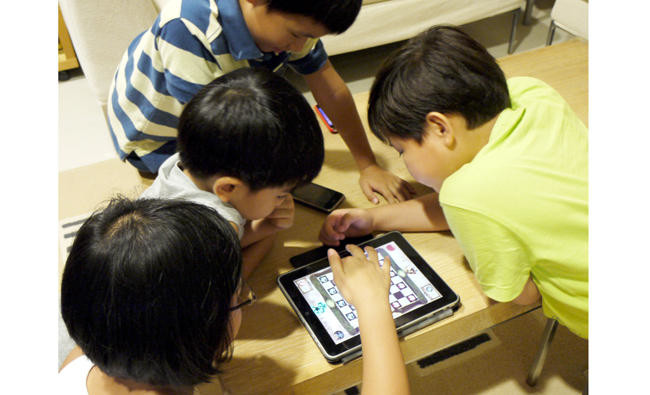
Over-use of smart phones, iPads harming kids: Experts warn
Over-use of smart phones, iPads harming kids: Experts warn


Latest updates




© 2026 SAUDI RESEARCH & PUBLISHING COMPANY, All Rights Reserved And subject to Terms of Use Agreement.