JEDDAH: A senior UN figure on Friday rushed to the defense of Qatari-owned Al Jazeera — on the very same day he spoke out against Qatari media that “significantly distort” the facts and had misrepresented him.
The Al Jazeera news network has become embroiled in the diplomatic rift between Qatar and its biggest Gulf Arab neighbors, which accuse Doha of supporting terror groups.
A leaked list of 13 conditions to end the dispute reportedly issued by other Arab states includes the demand to close Al Jazeera, which is seen by some as a propaganda tool for Doha which also served as a mouthpiece for some of the region’s most notorious terrorists.
After the Sept. 11, 2001 terror attacks in the US, Al Jazeera’s Arabic-language channel was accused of being a “mouthpiece” for Osama Bin Laden, because of its willingness to air Al-Qaeda video messages and what was perceived as its anti-US bias.
Yet, the spokesperson for the UN High Commissioner for Human Rights Zeid Ra’ad Al-Hussein on Friday issued a statement that criticized the demand made to close the channel and other Qatar-backed media.
“The High Commissioner is extremely concerned by the demand that Qatar close down the Al Jazeera network, as well as other affiliated media outlets,” a statement said.
“Whether or not you watch it, like it, or agree with its editorial standpoints, Al Jazeera’s Arabic and English channels are legitimate, and have many millions of viewers. The demand that they be summarily closed down is, in our view, an unacceptable attack on the right to freedom of expression and opinion.”
Yet, in a statement issued on the very same day, the same UN body also moved to strongly criticize Qatari media for “inaccurate accounts.”
The erroneous media reports apparently relate to a meeting held Thursday between Al-Hussein and Ali Khalfan Al-Mansouri, Qatar’s permanent representative at the UN.
“While confirming the meeting did take place, the UN Human Rights Office said reports appearing in the Qatari media significantly distort the remarks of the High Commissioner,” the statement said.
“The UN Human Rights Office does not normally comment on bilateral meetings with states, except on the rare occasions when it believes the state concerned has publicly misrepresented the content of the meeting.”
A spokesman for the commissioner told Arab News that the erroneous report relates to an article in the Qatari daily The Peninsula, which in turn was apparently sourced to a statement issued by Qatar’s Ministry of Foreign Affairs or state news agency. However, parts of the same report have appeared on the same Al Jazeera channel which the UN figure is defending.
The report said the UN High Commissioner for Human Rights had expressed his “condemnation” over the actions taken by Saudi Arabia, the UAE and Bahrain against Qatar. This claim was not representative and had been “exaggerated,” the spokesman said.


![]()
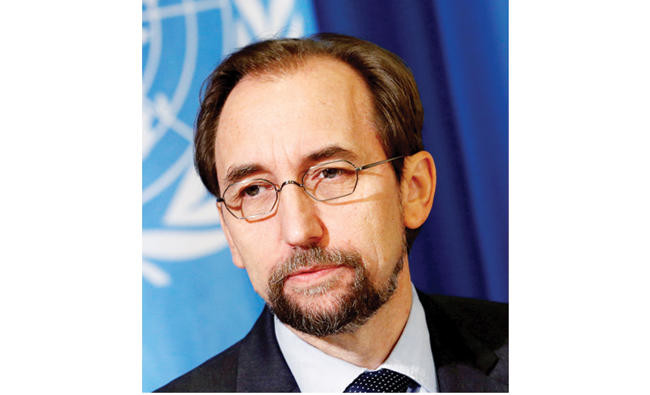
UN body slams Qatar media on one hand, defends it on the other
UN body slams Qatar media on one hand, defends it on the other
Latest updates


© 2026 SAUDI RESEARCH & PUBLISHING COMPANY, All Rights Reserved And subject to Terms of Use Agreement.