SAN FRANCISCO: San Francisco city supervisors unanimously approved a measure that bans the sale of flavored nicotine-laced liquid used in electronic cigarettes and flavored tobacco products, saying nicotine masked in cotton candy, banana cream, mint and other flavors entices kids into a lifetime of addiction.
Other cities have passed laws reducing access to flavored vaping liquids and flavored tobacco but San Francisco is the first in the country to approve a sales ban.
Sales of vaping liquids that taste like tobacco will still be allowed.
“We’re focusing on flavored products because they are widely considered to be a starter product for future smokers,” said Supervisor Malia Cohen, who sponsored the bill.
Gregory Conley, president of the American Vaping Association, a nonprofit organization that advocates for vaping products, said the ordinance is “complete nonsense” and ignores the benefits of flavored vaping products.
“There is a great deal of evidence that flavors are critical to helping adults quit smoking by helping them disconnect from the taste of tobacco,” said Conley, who quit smoking in 2010 with the help of watermelon flavored “e-liquid,” the liquid used in electronic cigarettes.
Conley pointed to a report by the Centers for Disease Control and Prevention released last week that found the number of high school and middle school students using e-cigarettes fell to 2.2 million last year, from 3 million the year before. The CDC also estimates that the number of middle and high school students using tobacco products fell to 3.9 million last year, from 4.7 million the year before.
“Unfortunately, San Francisco supervisors ignored that data and the stories about how vaping was the only thing that helped many smokers quit,” he said.
The measure approved Tuesday requires another vote by the board next week, which is expected to pass. The law would take effect in April 2018.
Cohen, who represents the historically black Bayview-Hunters Point neighborhood, said tobacco companies advertise 10 times more in black neighborhoods and market candy and fruit flavored products to young people, the LGBTQ community and other minorities.
“For too many years, the tobacco industry has selectively targeted our young adults with products that are deceptively associated with fruits and mint and candy,” said Cohen, whose grandmother smoked menthol cigarettes for years and died of emphysema.
“Menthol cools the throat so you don’t feel the smoke and the irritants and it masks the flavors. This legislation is about saying enough is enough,” she added.
Businesses that violate the law could have their city tobacco sales permits suspended.
Small business owners have said they will lose business because people can still buy the flavored “e-liquid” and tobacco products in neighboring cities or purchase them online and have them delivered to their San Francisco homes.
“Those tobacco products aren’t 100 percent of our revenue, but they are an anchor product,” Miriam Zouzounis, a board member of the Arab American Grocers Association whose father owns a small corner store, told the San Francisco Chronicle.
She added: “Even at 15 percent of our stock, it’s what brings people through the door. We can’t compete with Safeway or Walgreens for food and milk items, let alone the online retailers filling the gap for everything else.”
The San Francisco ban is the latest restriction on tobacco products approved in California. The state’s cigarette tax increased in April by $2 per pack, more than doubling the previous tax of 87 cents a pack.
Last year, Gov. Jerry Brown approved tougher tobacco regulations as part of a special legislative session on health care. The state’s legal age to buy tobacco was boosted from 18 to 21 and existing regulations governing tobacco were extended to electronic cigarettes.
Federal law bans sales of flavored cigarettes. But it does not prohibit the sale of menthol cigarettes or flavored tobacco products other than cigarettes.


![]()
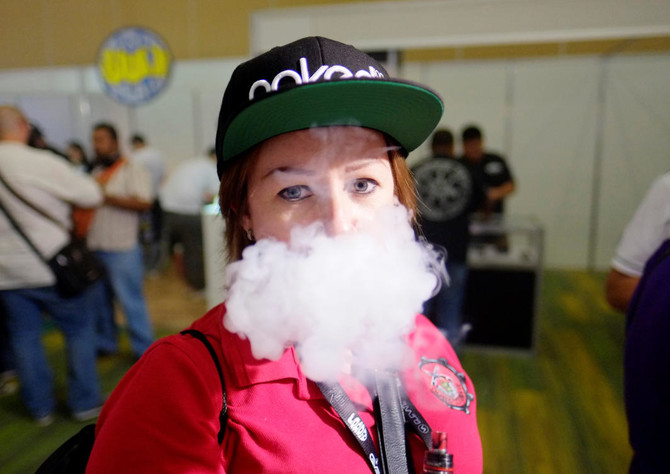
San Francisco to ban sales of vaping flavored liquid
San Francisco to ban sales of vaping flavored liquid
Latest updates


© 2026 SAUDI RESEARCH & PUBLISHING COMPANY, All Rights Reserved And subject to Terms of Use Agreement.