MOGADISHU: Daesh has claimed its first suicide attack in Somalia, which police said Wednesday killed five people at a checkpoint in the northeastern port city of Bosaso.
The group’s self-styled news agency Amaq claimed the “martyrdom-seeking operation with an explosive vest” in a statement carried by the SITE Intelligence Group.
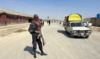
The suicide bomber detonated his explosives vest at a checkpoint late Tuesday in the semi-autonomous region of Puntland.
“Security forces stopped the suspect when he approached but he detonated himself leaving five people dead. One of the security officers and four civilians were killed in the blast,” said local police official Mohamed Dahir Adan.
The blast occurred near a hotel often used as a meeting place for local officials, witnesses said.
“I think the bomber was trying to target the hotel but he was stopped at the checkpoint close to the hotel and he decided to detonate his explosives,” said witness Awke Mohamed.
Puntland set up its own government in 1998, but, unlike neighboring Somaliland, it has not declared full independence.
The region has often come under attack by Al-Qaeda-linked Shabab militants, and is also home to a breakaway group of fighters which declared allegiance to Daesh last year but has failed to gather much support so far.
The militants are led by former Shabab cleric Abdiqadir Mumin who was placed on a US terror list last August for his role at the head of Daesh in East Africa.


![]()

Daesh claims first suicide attack in Somalia, kills five
Daesh claims first suicide attack in Somalia, kills five
Latest updates


© 2026 SAUDI RESEARCH & PUBLISHING COMPANY, All Rights Reserved And subject to Terms of Use Agreement.