

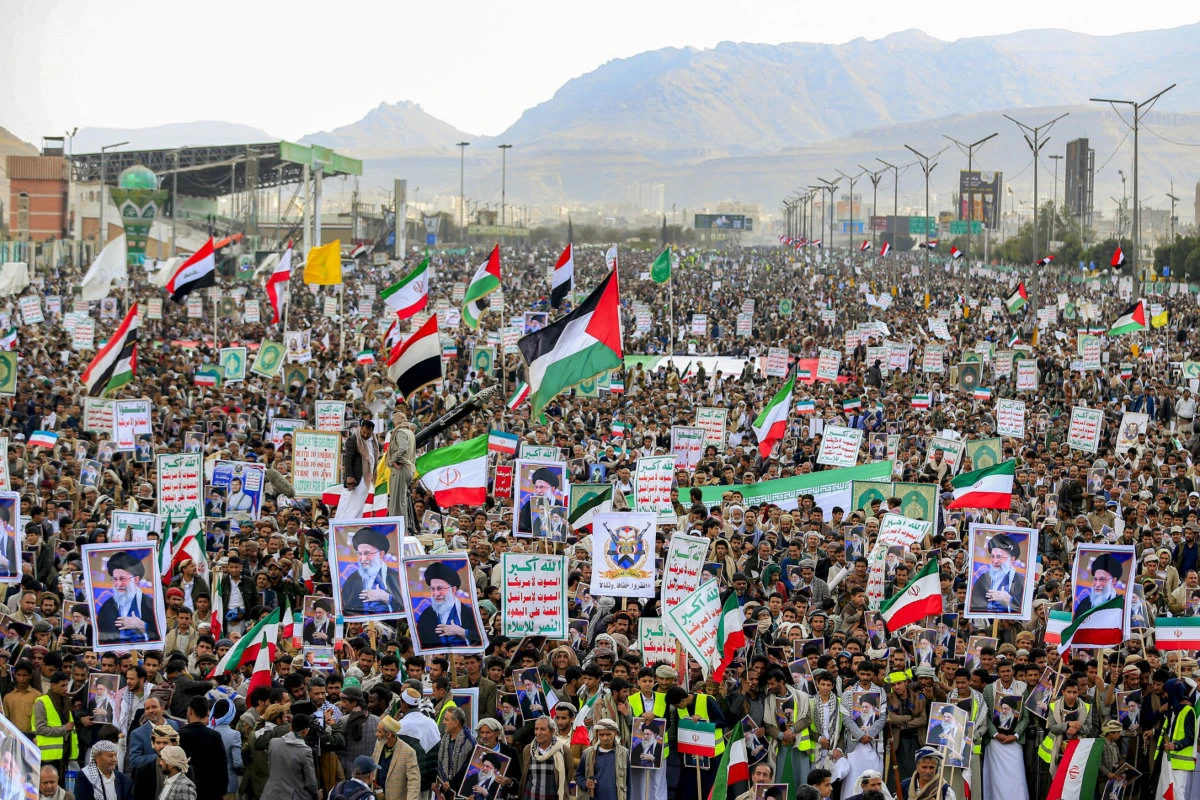
- Despite deep sectarian differences, the Iran-backed militia and extremist movements share enemies — and have found reasons for tactical cooperation
- The Houthis’ claim to historical legitimacy, grip on Yemen’s institutions and regional military reach distinguish their threat from that of transnational terrorist networks
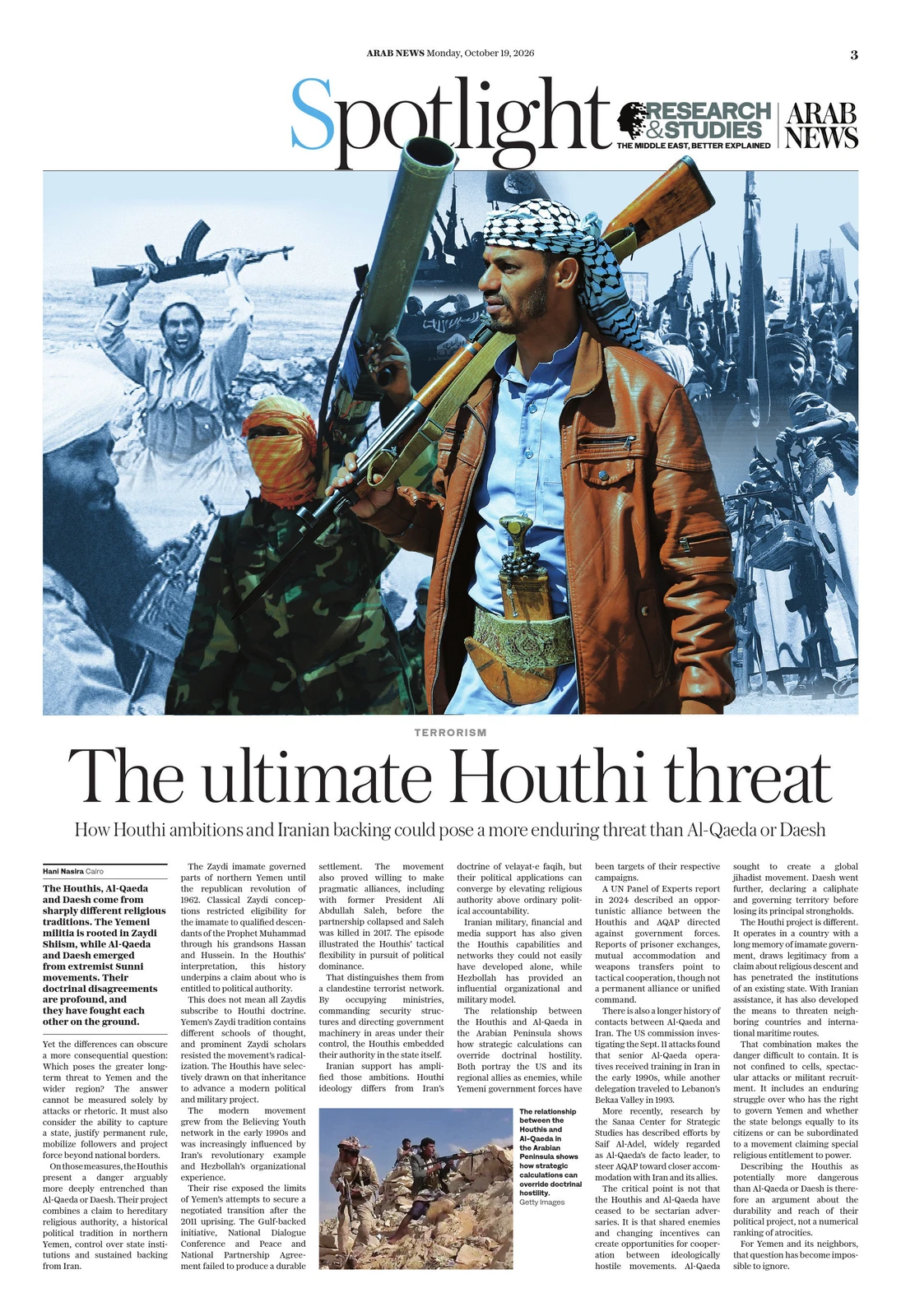
CAIRO: The Houthis, Al-Qaeda and Daesh come from sharply different religious traditions. The Yemeni militia is rooted in a hard-line interpretation of Zaydi Shiism, while Al-Qaeda and Daesh emerged from extremist movements. Their doctrinal disagreements are profound, and they have fought each other on the ground.
Yet the differences can obscure a more consequential question: Which poses the greater long-term threat to Yemen and the wider region? The answer cannot be measured solely by the number of attacks carried out or the violence of their rhetoric. It must also take account of the ability to capture a state, justify permanent rule, mobilize followers and project force beyond national borders.
On those measures, the Houthis present a danger that is arguably more deeply entrenched than that of Al-Qaeda or Daesh. Their project combines a claim to hereditary religious authority, a historical political tradition in northern Yemen, control over state institutions and sustained backing from Iran. What began as a revivalist movement in the northern province of Saada has become a military and political force with ambitions extending far beyond Yemen.
The imamate as a political project
To understand that ambition, it is necessary to revisit the Zaydi imamate, which governed parts of northern Yemen, with interruptions, for more than a millennium until the republican revolution of September 1962.
Classical Zaydi conceptions of the imamate restricted eligibility for the position to qualified descendants of the Prophet Muhammad through his grandsons Hassan and Hussein. They also attached importance to the imam publicly asserting his claim and rising against unjust rule. In the Houthi movement’s ideological interpretation, this history underpins a much more immediate claim about who is entitled to exercise political authority.
This does not mean that all Zaydis subscribe to the Houthis’ doctrine. Yemen’s Zaydi tradition contains different schools of thought, and prominent Zaydi scholars themselves resisted the movement’s radicalization. The distinction matters: the Houthis have drawn selectively on that religious inheritance to advance a modern political and military project.
Unlike Twelver Shiism, which places the return of the hidden imam at the center of its eschatology, Zaydi political thought historically allowed for an imam to emerge and claim authority. The Houthis have taken that tradition and blended it with the revolutionary language of Iran’s Islamic Republic, presenting armed struggle not merely as a political option but as an essential part of their claim to rule.
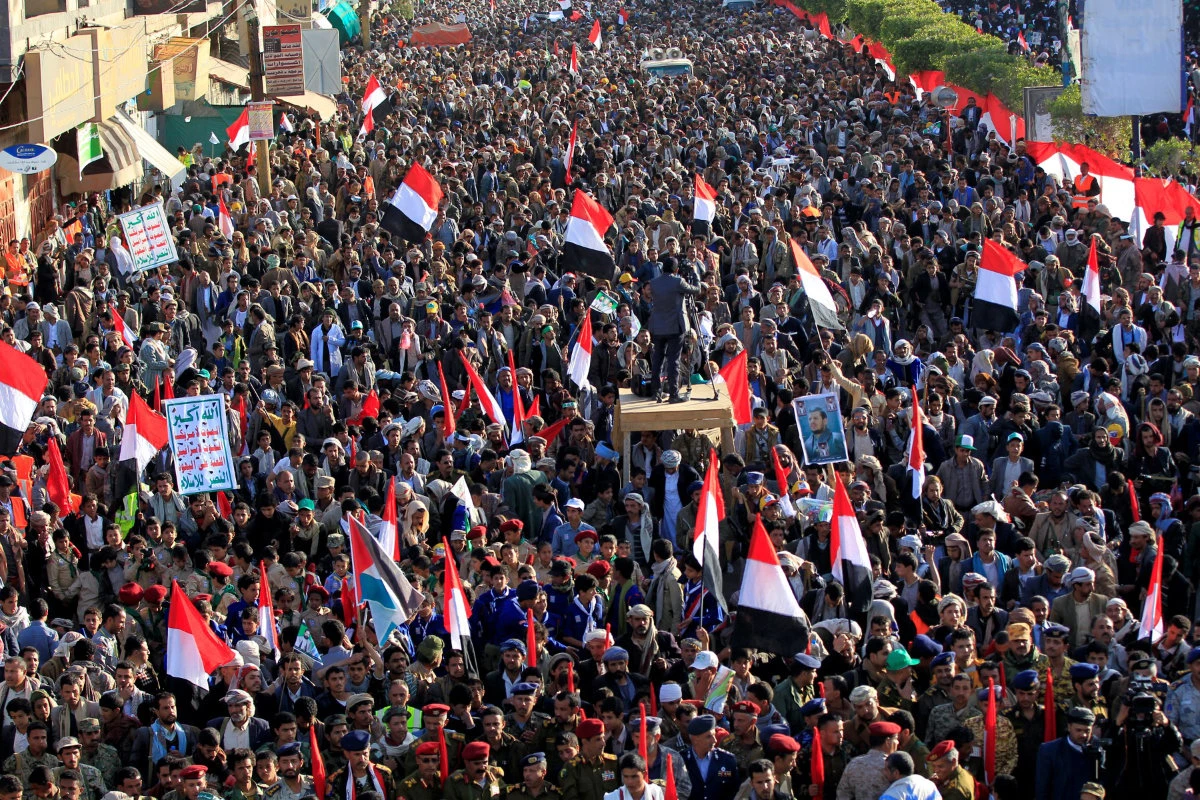
At its core is a challenge to the idea that legitimacy comes from citizenship, elections and national consensus rather than religious lineage. The central issue, therefore, is not simply the movement’s theology, but the political system that theology is used to justify.
From religious revival to the seizure of Sanaa
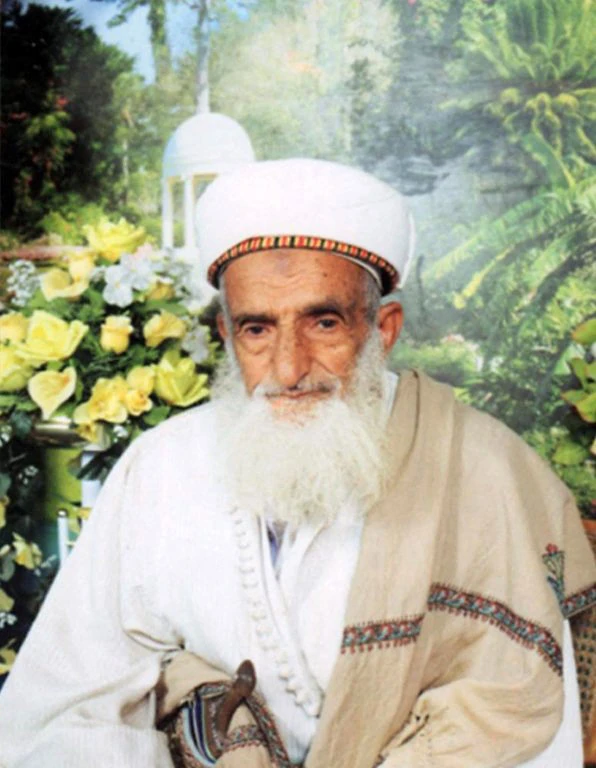
The roots of the modern movement lie in the Believing Youth network, which emerged in the early 1990s. Hussein Badr Al-Din Al-Houthi and his father, Badr Al-Din, became leading figures in a current increasingly influenced by the revolutionary example of Iran and the organizational experience of Hezbollah in Lebanon.
That shift was controversial even within Yemen’s Zaidi establishment. In the mid-1990s, senior scholars, including the influential Majd Al-Din Al-Muayyadi, challenged the Al-Houthi family’s doctrinal direction and the growing politicization of the movement. Their objections exposed a divide between Zaydi religious revivalism and the more confrontational project taking shape in Saada.
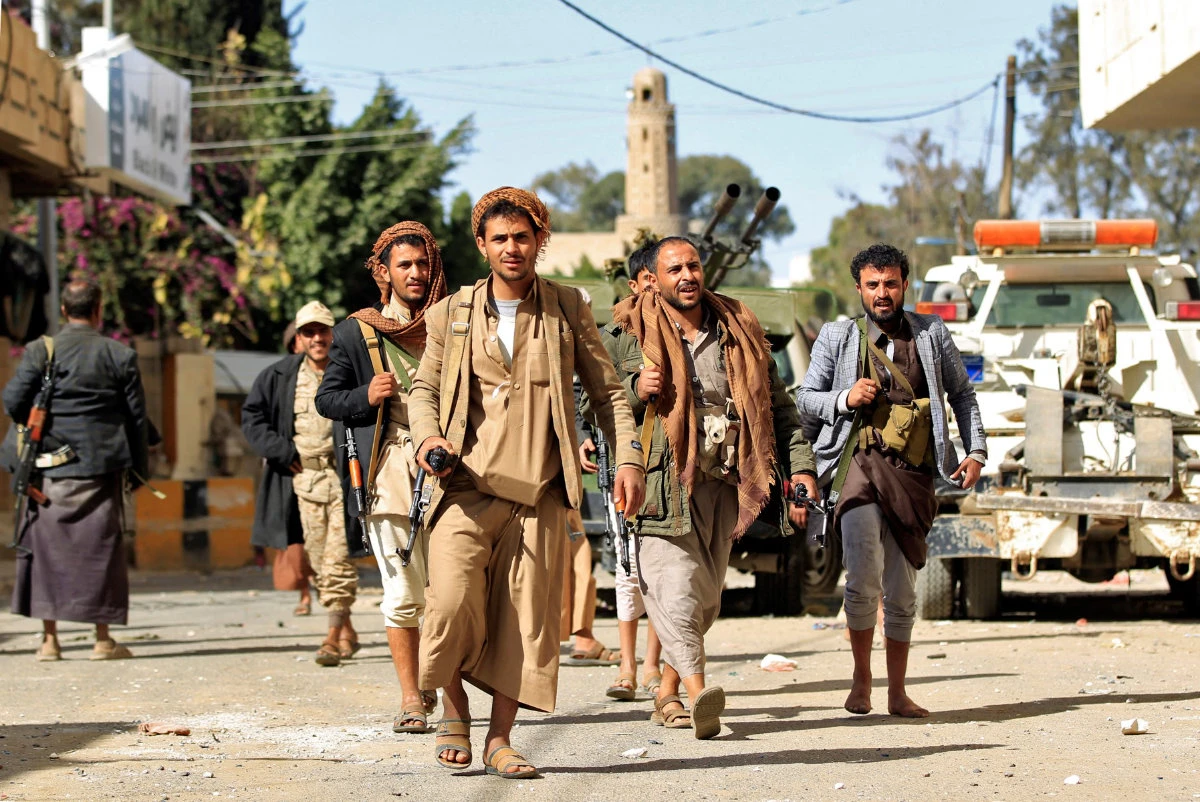
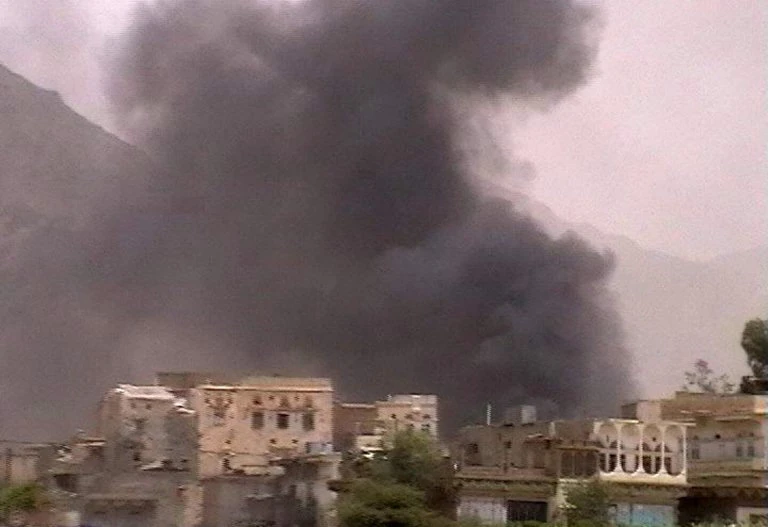
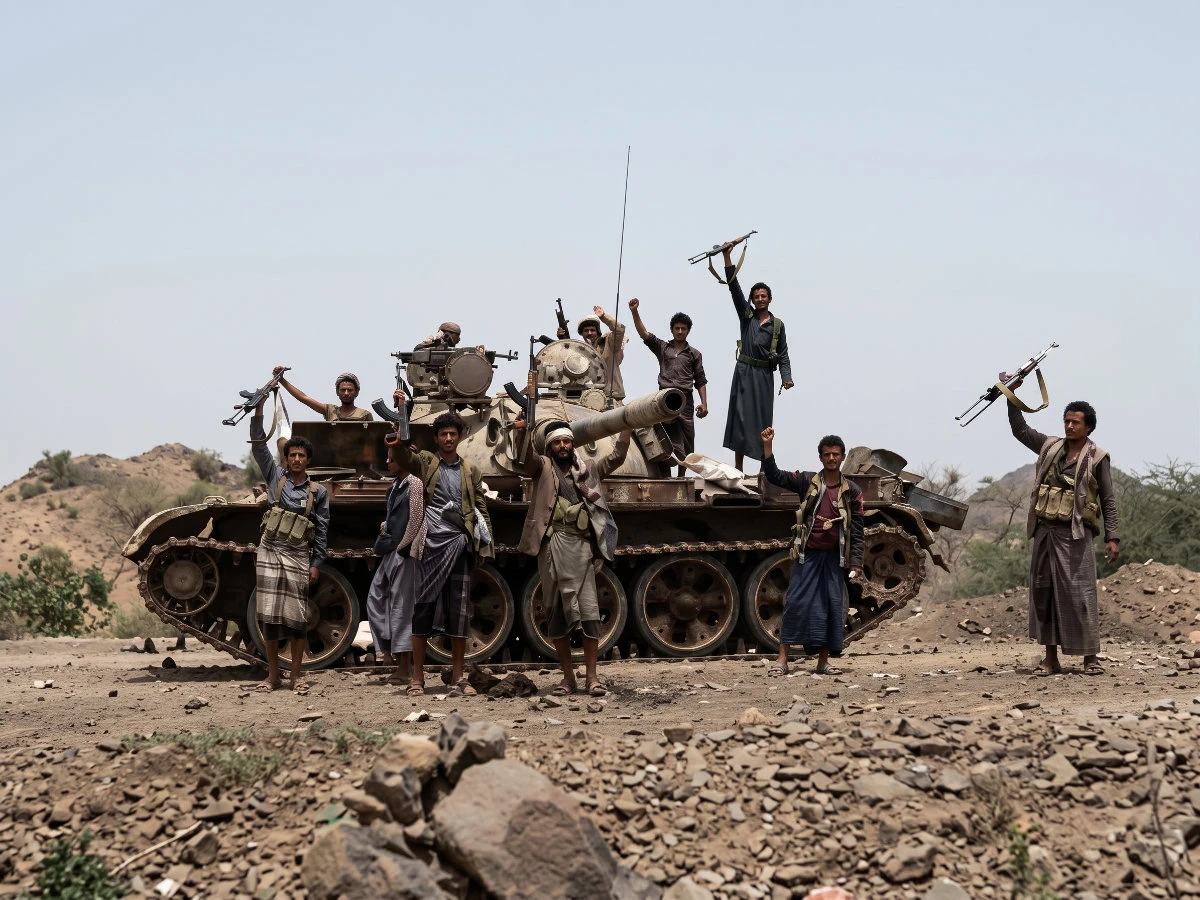
The consequences became unmistakable in the years that followed. The Houthis fought successive wars with the Yemeni state, clashed with Salafi opponents in Dammaj and expanded into Amran before seizing the capital, Sanaa, in 2014.
Their advance also exposed the limits of Yemen’s attempts to secure a negotiated transition after the 2011 uprising. The Gulf-backed initiative, the National Dialogue Conference and the Peace and National Partnership Agreement failed to produce a durable settlement with the movement.
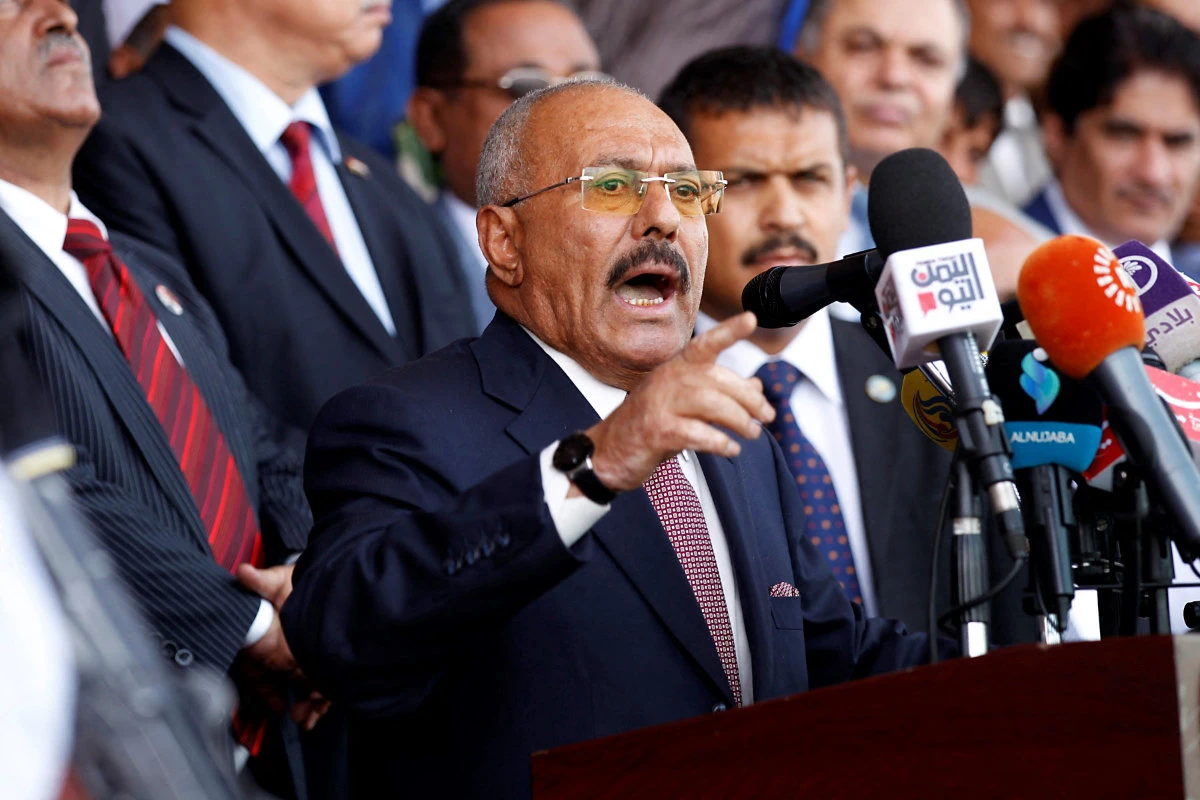
The Houthis were willing to make pragmatic political arrangements, including an alliance with former President Ali Abdullah Saleh. But that partnership ended in violence when the two sides turned on each other and Saleh was killed in 2017. The episode illustrated a defining feature of the movement’s rise: tactical flexibility in the pursuit of a political order over which it intended to exercise decisive control.
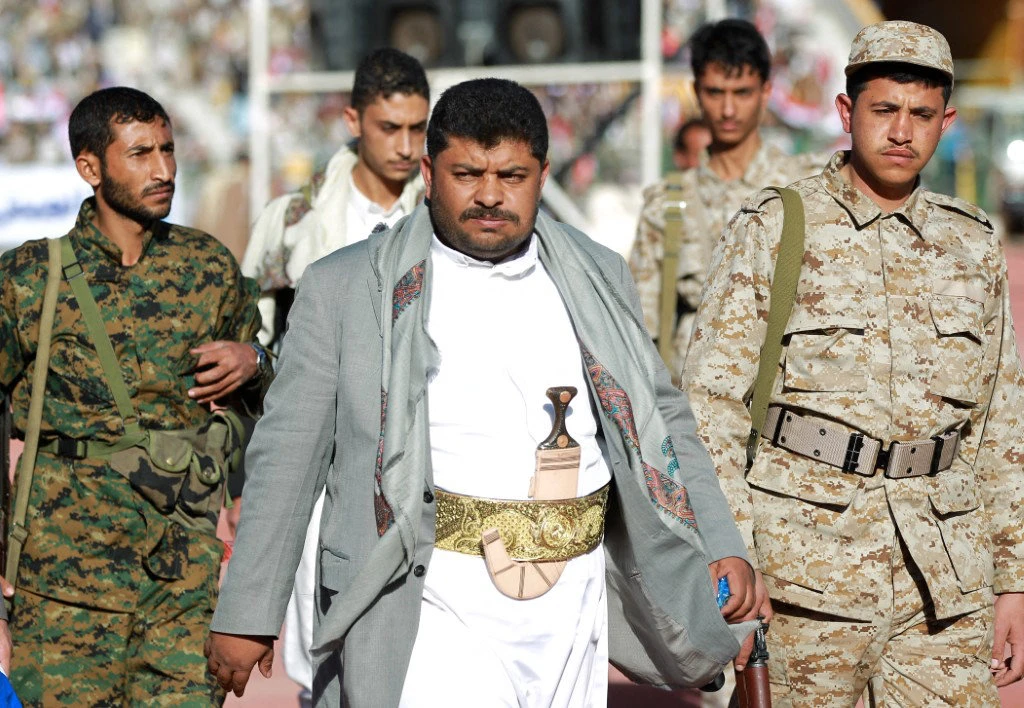
That distinguishes the Houthis from a clandestine terrorist network. By occupying ministries, commanding security structures and directing the machinery of government in areas under their control, the movement has been able to embed its authority in the daily life of the state.
An Iranian model with Yemeni roots
The relationship with Iran has amplified these ambitions. Houthi ideology draws on strands of the Hadawi and Jarudi Zaydi traditions while adopting elements of the revolutionary discourse associated with Ayatollah Ruhollah Khomeini and the Islamic Republic.
There are important theological differences between the Zaidi imamate and Iran’s doctrine of velayat-e faqih, or guardianship of the jurist. They should not be treated as identical. Their political applications, however, can converge: religious authority is elevated above ordinary political accountability, loyalty to the leader becomes a defining obligation, and dissent can be portrayed as opposition to a sacred cause.
The Houthis’ adoption of slogans condemning America and Israel reflects another aspect of that convergence. Such language serves both as an instrument of mobilization at home and as a declaration that the movement’s struggle extends beyond its immediate Yemeni adversaries.
Iranian military, financial and media support has helped turn those ambitions into a regional security challenge. It has given the Houthis access to capabilities and networks that a movement relying solely on its local religious constituency would have struggled to develop. Hezbollah’s organizational and military experience has also provided an influential model.
Saudi Arabia consequently occupies a central position in Houthi strategic thinking: it is both a neighbor whose security is directly threatened by the militia’s weapons and a principal supporter of Yemen’s internationally recognized government.
Why sectarian rivals have found common ground
The relationship between the Houthis and Al-Qaeda in the Arabian Peninsula, or AQAP, demonstrates how strategic calculations can override fierce doctrinal hostility without eliminating it.
Both movements portray the US and its regional allies as enemies, while the internationally recognized Yemeni government and the forces supporting it have been targets of their respective campaigns. Their methods differ, and clashes between them have been real. Yet reports of prisoner exchanges, mutual accommodation, intelligence contacts and weapons transfers suggest that rivalry has not prevented tactical cooperation.
A UN Panel of Experts report in 2024 described an opportunistic alliance between the Houthis and AQAP directed against Yemeni government forces. That finding is significant, but it should not be inflated into proof of a permanent, unified command or complete ideological alignment. The relationship has remained opaque, transactional and subject to shifting battlefield interests.
There is also a longer history of contacts between Al-Qaeda and Iran. The US commission investigating the Sept. 11, 2001, attacks found that senior Al-Qaeda operatives received training in Iran in the early 1990s, and that another delegation traveled to Lebanon’s Bekaa Valley in 1993 for training. The commission’s account showed that Sunni-Shiite divisions were not always an insurmountable obstacle to operational cooperation.
Attention has more recently focused on Saif Al-Adel, widely regarded as Al-Qaeda’s de facto leader following Ayman Al-Zawahiri’s killing in 2022. Al-Adel remained in Iran after a 2015 prisoner exchange involving AQAP and an Iranian diplomat. Research published by the Sanaa Center for Strategic Studies has described his efforts to steer the Yemeni branch toward closer accommodation with Iran and its allies.
The same research identified a figure known by the aliases Mohammed Al-Hadrami and Ibn Al-Madani as Al-Adel’s son and an intermediary with AQAP in Yemen. It has also reported contacts aimed at encouraging the Yemeni branch to prioritize attacks on Western interests and avoid confrontations with Iran-aligned groups. These accounts point to a possible strategic convergence, although its precise extent remains difficult to establish independently.
Under AQAP leader Saad bin Atef Al-Awlaqi, the relationship has continued to attract scrutiny. The critical point is not that the Houthis and Al-Qaeda have ceased to be sectarian adversaries. It is that shared enemies and changing incentives can create opportunities for cooperation even between movements whose religious doctrines appear irreconcilable.
A different kind of enduring threat
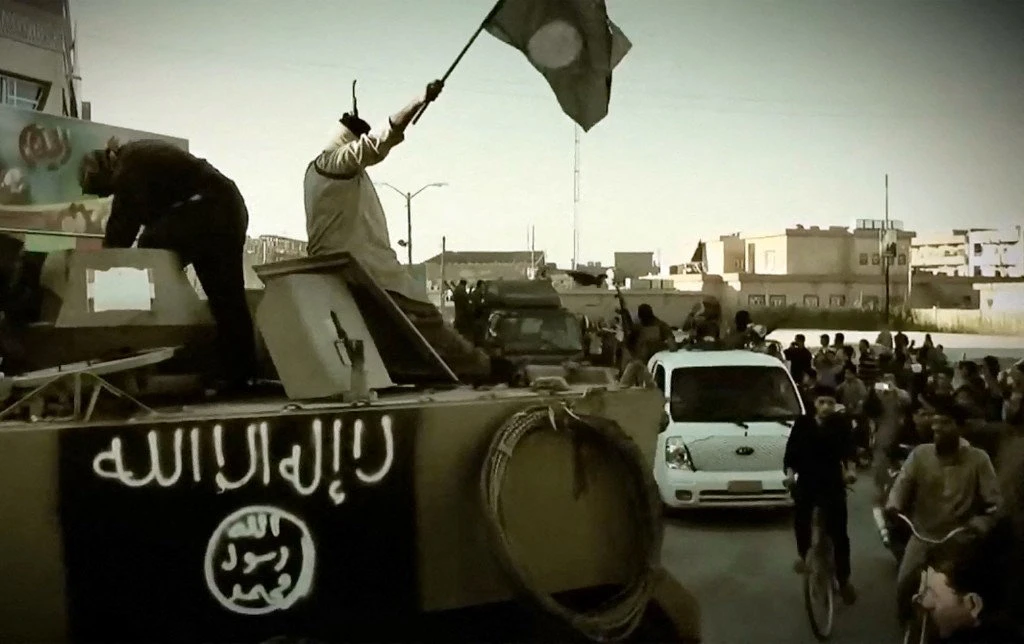
Al-Qaeda sought to create a global jihadist movement. Daesh went further, declaring a caliphate and governing territory in Iraq and Syria before losing its principal strongholds. Both demonstrated that extremist organizations could be extraordinarily destructive and, for a time, capable of territorial rule.
The Houthi project is different. It operates in a country with a long memory of imamate government, draws political legitimacy from a claim about religious descent, and has already penetrated the institutions of an existing state. With Iranian assistance, it has also developed the means to threaten neighboring countries and international maritime routes.
That combination makes the danger difficult to contain. It is not confined to individual cells, spectacular attacks or the recruitment of militants. It includes an enduring struggle over who has the right to govern Yemen and whether the state belongs equally to its citizens or can be subordinated to a movement claiming a special religious entitlement to power.
Describing the Houthis as potentially more dangerous than Al-Qaeda or Daesh is therefore an argument about the durability and reach of their political project, not a numerical ranking of atrocities. The question is whether an armed movement with a historical claim to rule, entrenched territorial control and regional sponsorship can present an even more persistent challenge to the state system than organizations built around transnational jihad.
For Yemen and its neighbors, that question has become impossible to ignore.