DUBAI: US media reports say Iran’s evolving missile capabilities are exposing growing vulnerabilities in the network of US military bases that has underpinned Washington’s presence in the Middle East for decades.
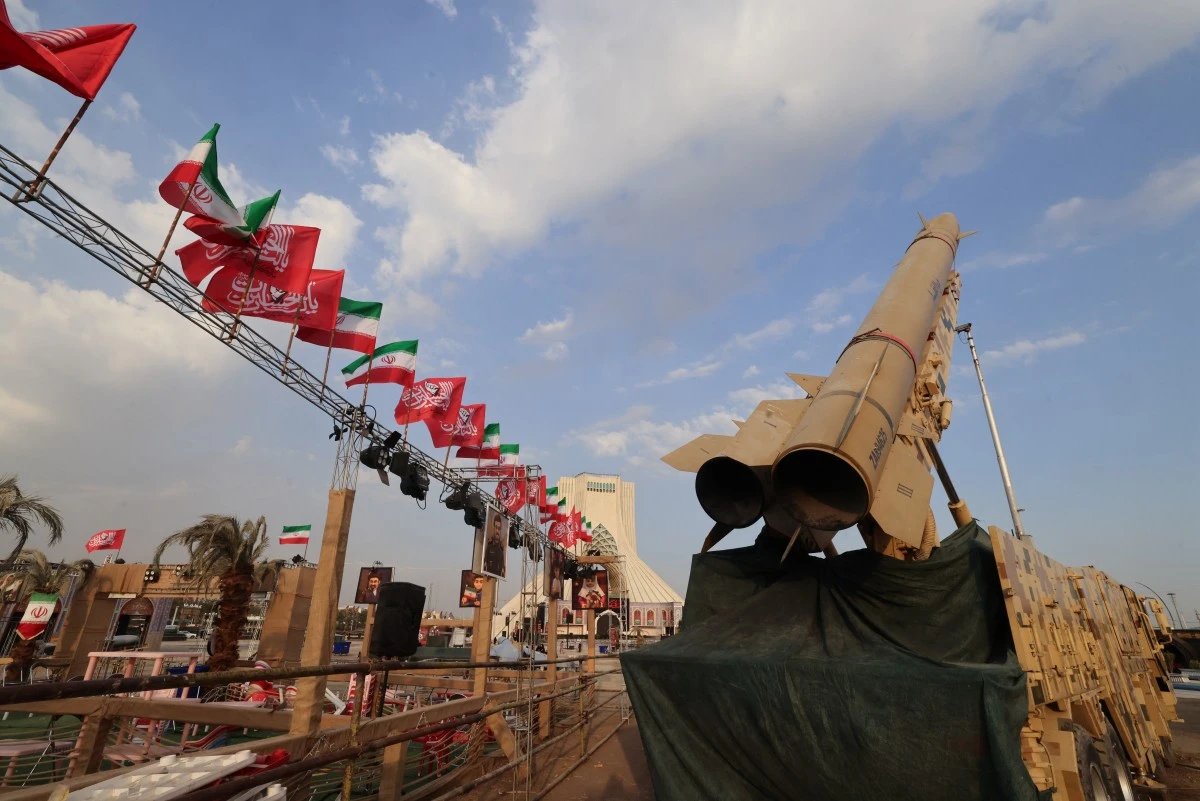
At the center of those concerns is the Kheibar Shekan, a solid-fuel, mobile ballistic missile unveiled by Iran in 2022. Tehran says it has a range of about 1,450 kilometers (900 miles), putting major US installations across the Gulf within reach. The missile is also designed to maneuver during the final stage of its flight, a feature intended to make it harder for missile-defense systems to intercept.
Kheibar Shekan missile
Unlike older ballistic missiles that follow a more predictable trajectory, the Kheibar Shekan’s terminal maneuverability can complicate efforts to intercept it as it approaches its target. Its solid-fuel propulsion and mobile launchers can also make the system harder to detect and destroy before launch.
The missile’s capabilities and reported use against US facilities have received growing attention during the conflict.
US media, including USA TODAY, have reported that Iran used Kheibar Shekan missiles in attacks on American military sites in the region, citing Iranian government statements, former US military and intelligence officials and weapons analysts. The US government has not publicly confirmed those reports or specifically acknowledged that Kheibar Shekan missiles penetrated its defenses.
Iranian missile and drone attacks have nevertheless caused damage at US and allied facilities across the region. A satellite analysis by The Washington Post, cited by USA TODAY, found that at least 228 structures and pieces of equipment were damaged or destroyed across at least 15 US military sites.
The strategic implications remain contested.
Retired US Army Gen. Barry McCaffrey has claimed that the United States has “probably permanently lost access to 15 Persian Gulf bases” because of Iranian missile and drone strikes. He made the assessment in an Aug. 22 post on X and later discussed it with USA TODAY, saying Iran’s missile capabilities were central to his conclusion.
However, The Pentagon has maintained that US forces and defenses remain operational and that the majority of incoming threats have been intercepted.
US media reports say Iran’s missile advances put US bases across the Middle East under growing pressure