- Authorities offer farmers guidance on modern methods to improve crop quality
- A 2025 ministry report estimated that apple orchards covers 51,000 hectares, with about 16 million trees, mainly in Sweida, Damascus countryside and Homs
DAMASCUS: Syria has about 218 million fruit trees across one million hectares of agricultural land, including 190 million productive trees, with annual output estimated at 2.5 million tons, according to the Ministry of Agriculture.
Olives, apples, citrus fruits and pistachios are among the country’s major agricultural crops, supporting thousands of farming families and contributing to food production, rural employment and the wider economy.
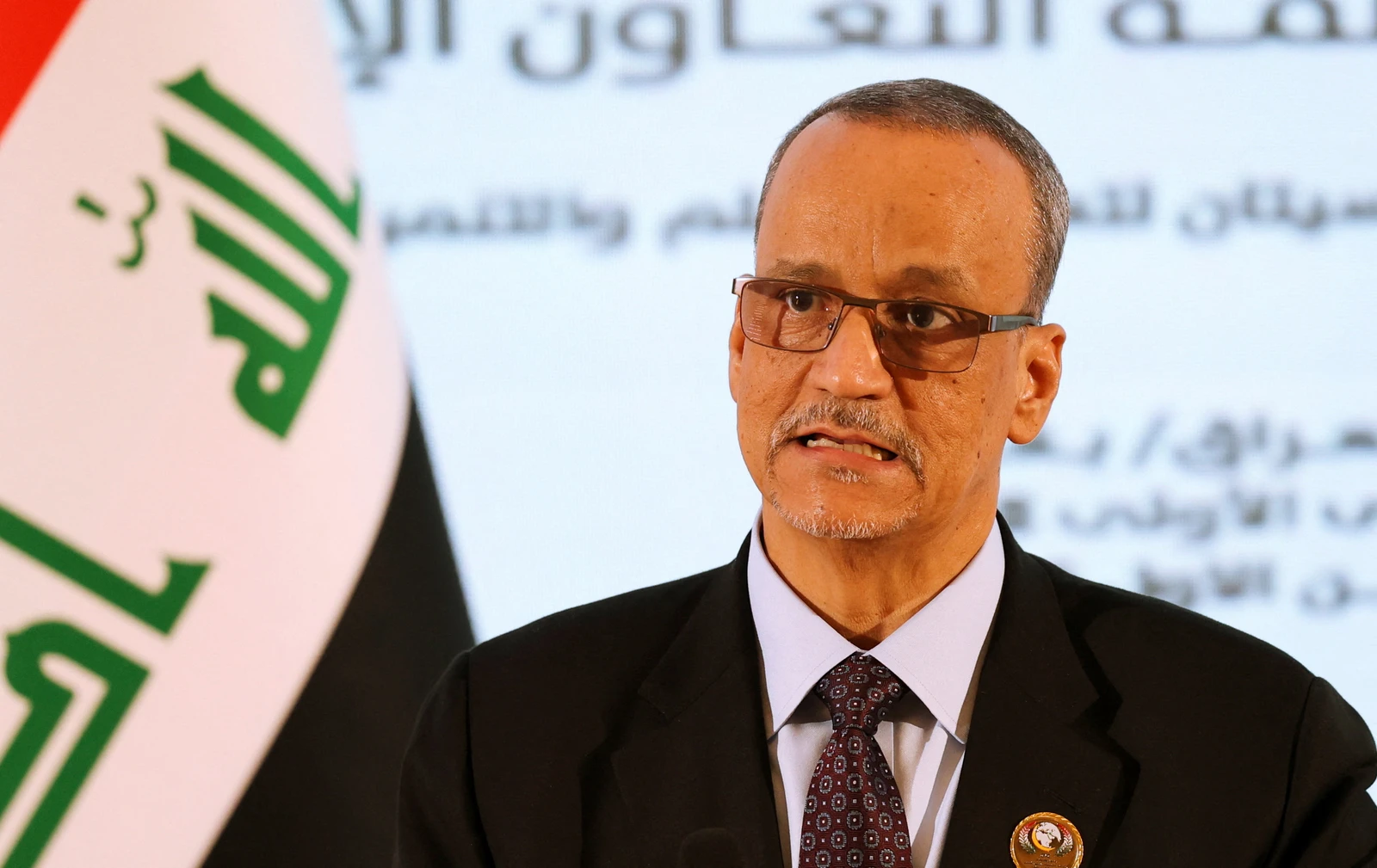
Muthanna Al-Katea, director of the forestry directorate at the ministry, said that olive trees dominated Syria’s fruit-growing sector, producing substantial quantities of olives and olive oil each year.
• Wildfires have also damaged extensive areas of vegetation and farmland in recent years. • They have destroyed trees and agricultural property, while desertification has threatened agricultural land.
According to the ministry, olive groves cover 677,725 hectares, with an estimated 101.5 million trees, including 90.7 million productive trees. Cultivation is concentrated in the Aleppo, Idlib, Tartous, Latakia and Damascus countryside.
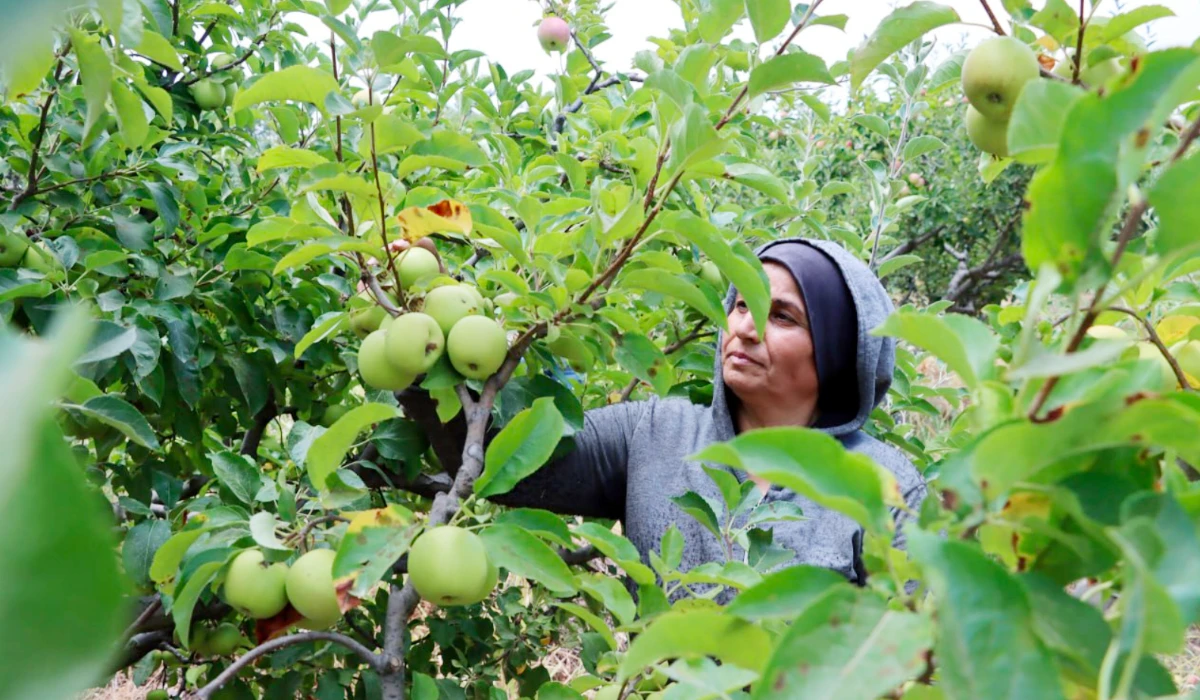
A 2025 ministry report estimated that apple orchards covers 51,000 hectares, with about 16 million trees, mainly in Sweida, Damascus countryside and Homs.
Citrus cultivation covers 42,000 hectares in coastal areas and Homs, with around 14 million trees, while pistachio orchards extend across 60,000 hectares, particularly in Aleppo and Hama.
Apricot orchards cover an estimated 13,000 hectares, with about two million trees grown mainly in the Damascus countryside and Aleppo.
Fig orchards cover about 9,000 hectares, including 3,888 hectares in Idlib. Pears, almonds and grapes are also important agricultural crops.
Al-Katea said that the diversity of fruit trees reflected Syria’s varied climate and agricultural conditions, while supporting food processing, marketing and other activities that provided income for rural communities.
Despite its economic importance, Syria’s fruit-growing sector faces mounting challenges from climate change, prolonged drought and declining water resources.
Al-Katea said that declining rainfall, rising temperatures and longer dry periods were placing trees under stress, weakening their resistance to pests and diseases and reducing yields.
Water shortages and groundwater depletion posed additional risks, particularly for orchards dependent on irrigation.
Wildfires have also damaged extensive areas of vegetation and farmland in recent years, destroying trees and agricultural property, while desertification threatens marginal agricultural land.
Al-Katea warned that these pressures could undermine the long-term sustainability of fruit production unless farming practices and water management improved.
To address these challenges, the ministry is providing farmers with improved, disease-free fruit tree seedlings at subsidized prices through government nurseries and agricultural centers.
It also offers technical guidance on modern cultivation methods, fertilization and integrated pest management to improve crop quality and yields.
Al-Katea said that farmers were being encouraged to adopt water-saving irrigation systems, particularly drip and sprinkler irrigation, to reduce waste and use scarce water resources more efficiently.
Other measures include expanding rainwater harvesting projects, improving watershed management and promoting drought-resistant rain-fed crops.
The ministry plans to expand forested and fruit-growing areas, rehabilitate land damaged by wildfires and strengthen cooperation with international and regional organizations.
Al-Katea said that the ministry aimed to plant around two million seedlings through national and community campaigns to restore vegetation cover and protect natural resources.
On Nov. 2, the ministry launched a nationwide tree-planting campaign under the slogan “Plant a Seedling, Leave a Legacy,” marking National Environment Day.
The campaign seeks to expand green spaces, encourage tree conservation and support environmental recovery across Syria.
Al-Katea said that improving agricultural productivity, conserving water and restoring damaged land were essential to protecting fruit production and sustaining rural livelihoods amid growing climate pressures.