- Damascus revealed previously concealed facilities, munitions from the ousted Assad regime
- Accountability for chemical attacks ‘central’ to resolving the issue, FM says
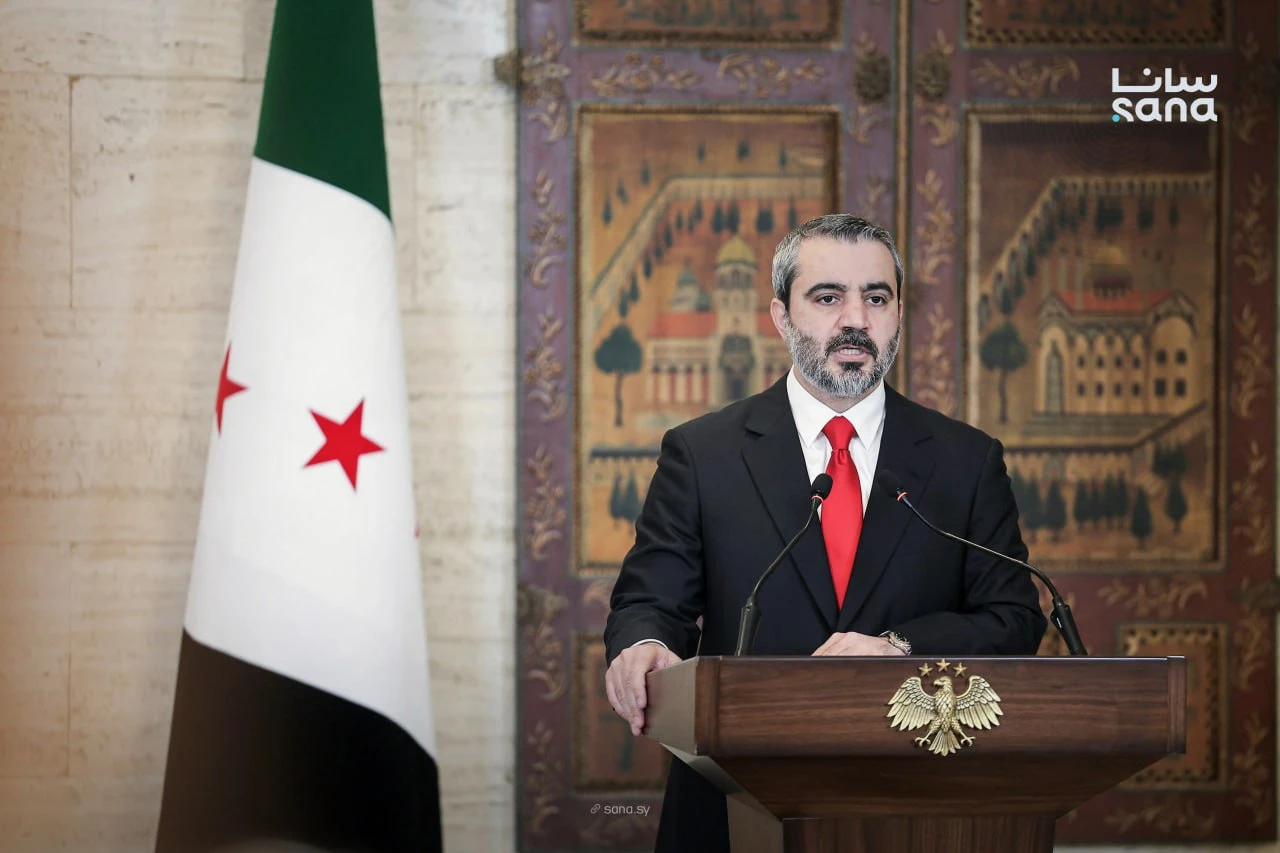
LONDON: The Syrian Arab Republic has submitted more than 100,000 official documents to the international chemical weapons watchdog, Foreign Minister Asaad Al-Shaibani said on Tuesday.
Speaking at a joint news conference in Damascus with Sabrina Dallafior, director-general of the Organization for the Prohibition of Chemical Weapons, Al-Shaibani said the government had disclosed facilities and munitions concealed by the ousted government of Bashar Assad.
“Last June, we took the initiative to correct the declaration we inherited, adding to it a production facility, two storage facilities and munitions that the deposed regime had concealed,” he said.
Al-Shaibani said 42 declared chemical aerial bombs were destroyed under OPCW supervision in August, marking the first verified destruction of its kind on Syrian territory since 2014.
He also said Syria regained its rights and privileges in the organization on July 9 with broad support from member states, the state-run agency SANA reported.
The talks with Dallafior focused on a road map to resolve the remaining issues surrounding Syria’s chemical weapons program and a proposed joint plan with measurable milestones ahead of next month’s Conference of the States Parties, he said.
The effort faces obstacles, including land mines, damaged sites and records hidden or destroyed by Assad’s government, Al-Shaibani said. He added that further work was needed to establish the full scope of the program.
Syria is working with seven other countries through a team called “Breath of Freedom,” he said.
The foreign minister also credited Qatar with sponsoring resolutions to accelerate the destruction of chemical weapons and restore Syria’s rights within the OPCW.
Al-Shaibani said accountability for chemical attacks was central to resolving the issue and preventing further atrocities. Eighteen suspects, including senior officers, are in custody and facing proceedings before a specialized court, he said.
Syria has also joined the International Partnership against Impunity for the Use of Chemical Weapons, he added.
Dallafior said visiting Syria had been a priority since she took office two months ago. Her visit aimed to assess conditions, meet officials and victims, and inspect sites associated with the chemical weapons program.
“Visiting Syrian sites is a priority from a non-proliferation perspective, to secure any remnants of the chemical weapons program under the Assad regime and help protect the Syrian people and the region,” she said.
The OPCW chief described the destruction of chemical weapons in cooperation with Syria’s government as a landmark achievement demonstrating the effectiveness of international cooperation.
The organization continues to investigate past attacks and identify those responsible to help prevent further use of chemical weapons, she said.
Syria joined the Chemical Weapons Convention in 2013 following the deadly chemical attack in Eastern Ghouta near Damascus. It declared about 1,300 tonnes of chemicals, which were subsequently destroyed through an OPCW-coordinated international operation.
But inspectors identified gaps, inconsistencies and discrepancies in Syria’s declarations. In a 2023 assessment, the OPCW said those unresolved problems meant the declaration could not be considered accurate and complete. That is why the destruction of the declared stockpile did not close the issue during Assad’s rule.