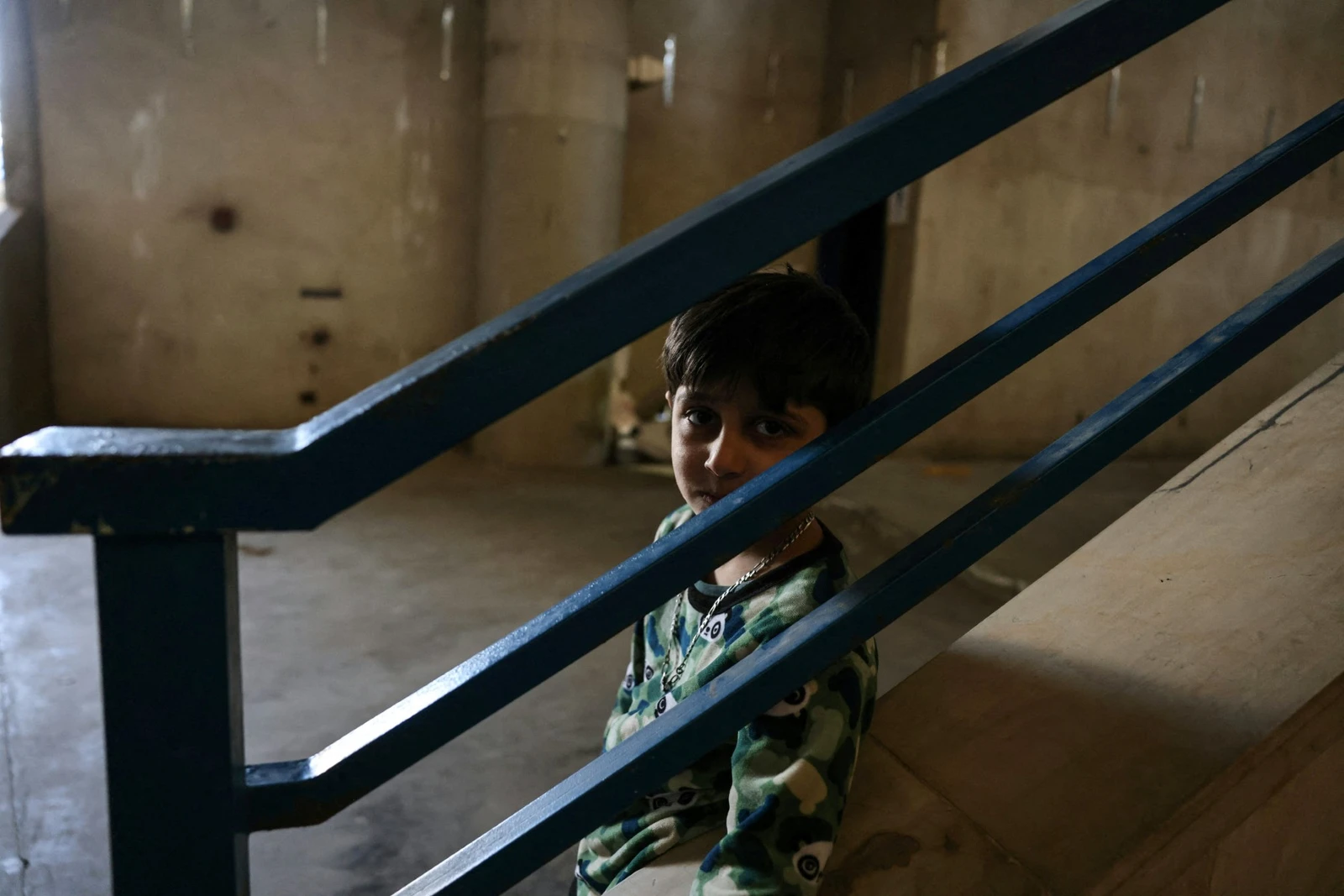
LONDON: Nearly 1,300 children in Lebanon have been killed or wounded in the six months since Israel launched its largest escalation in the country in decades, an average of more than seven children a day, Save the Children said on Wednesday.
Israeli airstrikes, raids and evacuation orders in southern Lebanon have displaced more than 1 million people since the escalation began. While many returned after a fragile ceasefire was announced in June, about 349,000 people remain displaced, according to UN figures.
Children have borne the brunt of the crisis. During the first month of the escalation, about 400,000 children were among the 1 million people forced from their homes.
“It is heartbreaking to see children and youth suffering while they are still in limbo, abandoned to their fate by the international community,” Nora Ingdal, Save the Children’s Lebanon country director, said in a statement.
“They miss their homes and friends, and they are unable to restart their lives when they are displaced,” she said.
Families must be able to return “safely and with dignity,” Ingdal said, rather than choosing between prolonged displacement and returning to communities where homes have been destroyed, essential services remain unavailable or security cannot be guaranteed.
Since March 2, Israeli military operations have killed at least 4,348 people and wounded 12,300 others, according to Lebanon’s Ministry of Public Health. The ministry said 257 children had been killed and 1,039 wounded.
Fighting has continued despite the June 19 ceasefire announcement. Israeli airstrikes have killed at least 355 people since then, the Health Ministry said.
Among the latest victims was Mohammed Ali Ibrahim, a child killed on Monday when a cluster munition left behind by Israeli attacks exploded in the southern town of Haboush, Lebanon’s National News Agency reported. Another teenager was injured in the blast.
Hassan El-Rashidi, president of the nonprofit Education Planet Association, said children have received limited material assistance during the latest war.
“There have been many child victims in the latest war,” El-Rashidi told Arab News. “Many children have been affected, and many children died in the war.”
During the September 2024 escalation, he said, aid groups distributed substantial assistance as there was better funding. This time, he said, support has largely consisted of recreational activities and intermittent psychosocial programs rather than direct aid for children.
“Psychological and social support has been available from time to time, but as for direct support for children, I have not seen any direct assistance,” El-Rashidi said. “It is more moral and psychological support: support sessions, with organizations coming in to run activities.”
El-Rashidi, who is based in Sidon, said residents hear explosions and nighttime bombardment from southern Lebanon, but Sidon and surrounding areas have not recently been directly struck.
Rights groups have raised concerns over the conduct of the Israel’s military campaign. In July, Amnesty International called for an investigation into Israeli airstrikes in southern Lebanon in March as possible war crimes.
Amnesty said it investigated three attacks that destroyed civilian homes in the Al-Thakana neighborhood of Tyre district, Irkay village in Saida district and the Al-Rahbat neighborhood in Nabatieh district on March 6, 12 and 13, respectively.
The strikes killed 24 civilians, including 12 children ages 5 to 16, six women — including a pregnant woman — and six men, Amnesty said. At least 18 other people were wounded. The organization said the attacks “wiped out families.”
Southern Lebanon remains at the center of the displacement crisis. Residents of about 55 villages near the border continue to face restricted access because of Israeli military operations, Save the Children said.
Those who have returned often find homes, public infrastructure and essential services damaged or destroyed. Children continue to face obstacles to education, health care and other basic services, the organization said.
At least 100,000 children could miss the coming school year unless damaged schools are repaired and reopened, Save the Children said. A nationwide assessment by Lebanon’s Ministry of Education and Higher Education found that 340 schools have been damaged or destroyed over the past six months.
The damage extends beyond schools. More than 700,000 people in southern Lebanon have been affected by damage to water infrastructure, while more than 41,000 housing units in the region have been damaged or destroyed, Save the Children said.
More than 7 children killed or wounded each day in Lebanon: Save the Children