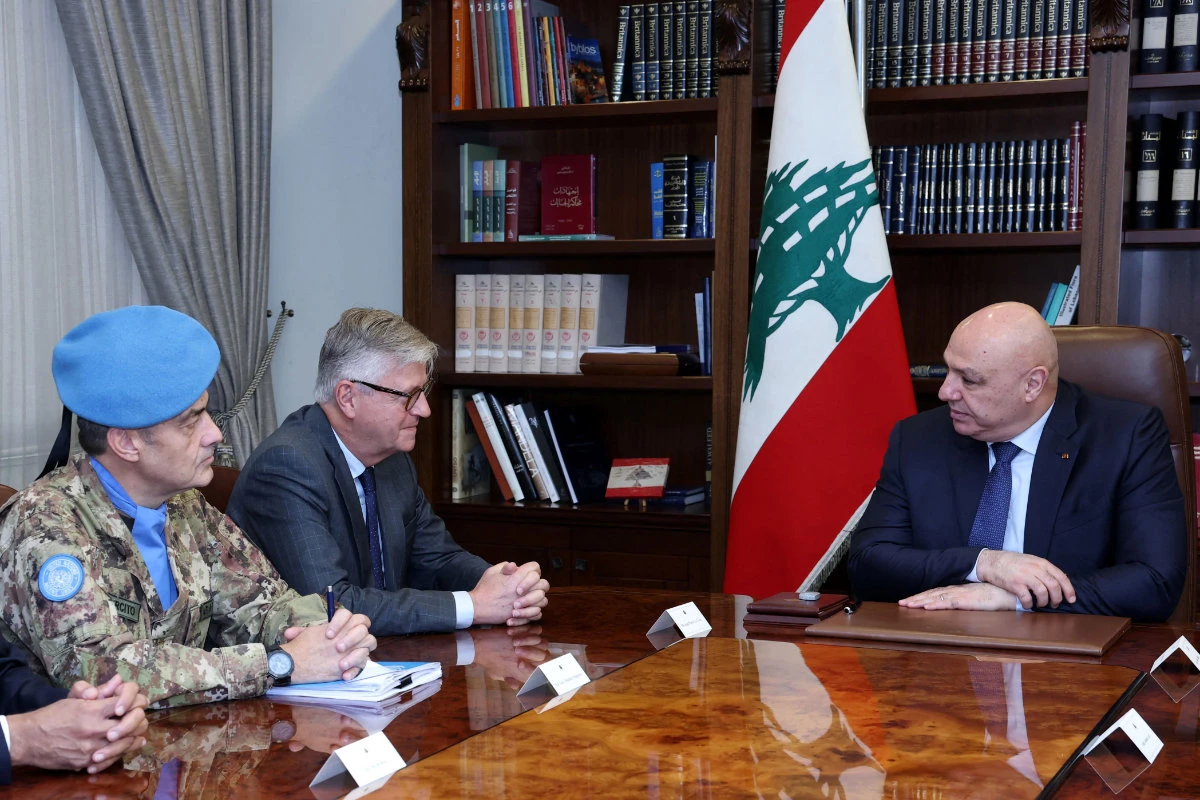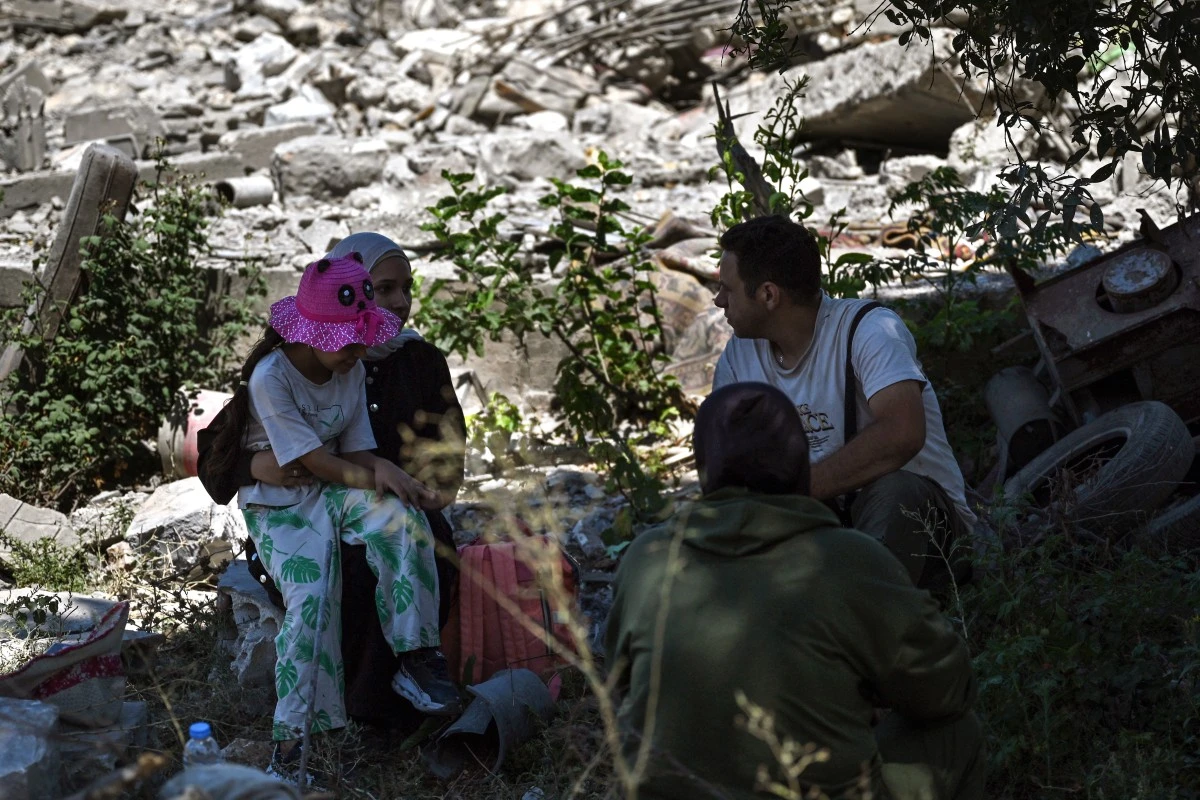
- A UN anti-discrimination committee has raised alarm over Israeli officials’ comments on Lebanon
- Analysts warn language linking Shiite villages to Hezbollah risks blurring the line between civilians and combatants
LONDON: In southern Lebanon’s villages, the fear of being treated as a collective enemy is not new.
Years of conflict, displacement and political rhetoric have left many Shiite residents wary of language that erases the line between Hezbollah fighters and civilians living alongside them.
This week, a UN anti-discrimination committee said Israeli officials had used rhetoric that dehumanizes Lebanon’s population.
The committee cited Defense Minister Israel Katz’s warning that Lebanon could face “the same level of destruction” as Gaza, as well as his description of Shiite residents in 24 southern villages as “enemies.”
For Lebanese Shiites, analysts say, such language risks transforming a military campaign against Hezbollah into a threat against an entire religious community.
“The UN Committee on the Elimination of Racial Discrimination is referring to past statements by Katz that make explicit Israel’s intent in south Lebanon: cleansing Lebanese Shia specifically,” said Sam Heller, a Beirut-based fellow at the Center for International Policy, a US think tank.
“That intent has been clear since the outset of this round of conflict. Katz is just really spelling it out,” Heller told Arab News.
He said the remarks could reinforce a sense among Shiite Lebanese that they face a collective, existential threat — a narrative Hezbollah has long emphasized.
The remarks “could further alienate them from Lebanese authorities and political parties that seem not to be taking this threat particularly seriously,” Heller said.
The stakes are especially high in a country where politics, geography and social life are often organized along sectarian lines.
Southern Lebanon is predominantly Shiite but also includes Christian and Druze towns, mixed communities and shared local economies. War and displacement, however, can quickly strain those relationships.
Hussein Chokr, a Beirut-based policy expert, said Israel has repeatedly framed regional conflicts through religious and ethnic identities.
“Israel has always played these religious and ethnic games,” he said. “At times, it tries to frame the threat in Lebanon as Shiite; at other times, it presents the threat in Syria as Sunni.
“More recently, in its global discourse, it has framed the confrontation as one between Islam and ‘advanced civilization’.”
The conflict in Lebanon escalated on March 2, after Hezbollah launched rockets at Israel in retaliation for the killing of Iranian Supreme Leader Ali Khamenei.
Since then, Israeli strikes and ground incursions have killed at least 4,350 people and injured 12,310 others, including more than 130 health workers and 247 children, according to Lebanon’s Health Ministry.
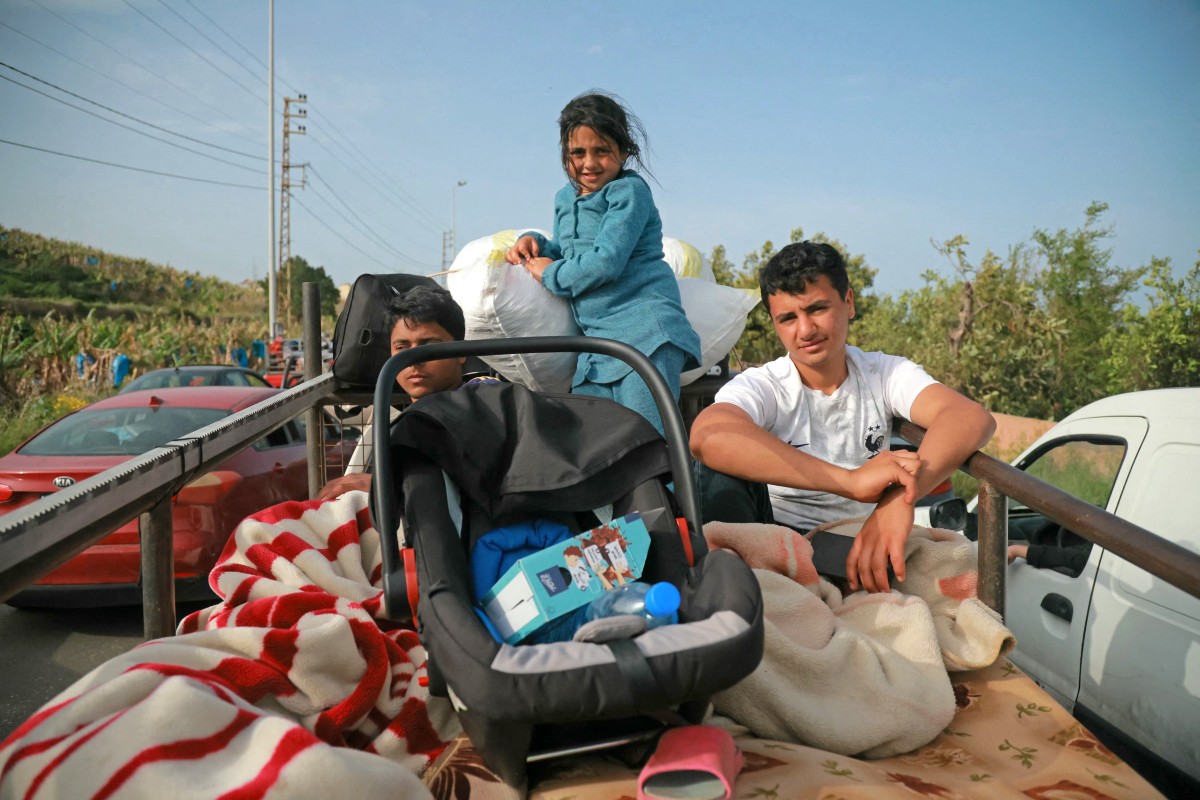
About 860,000 people have returned to their areas of origin, but some 360,000 remain displaced, according to UN figures.
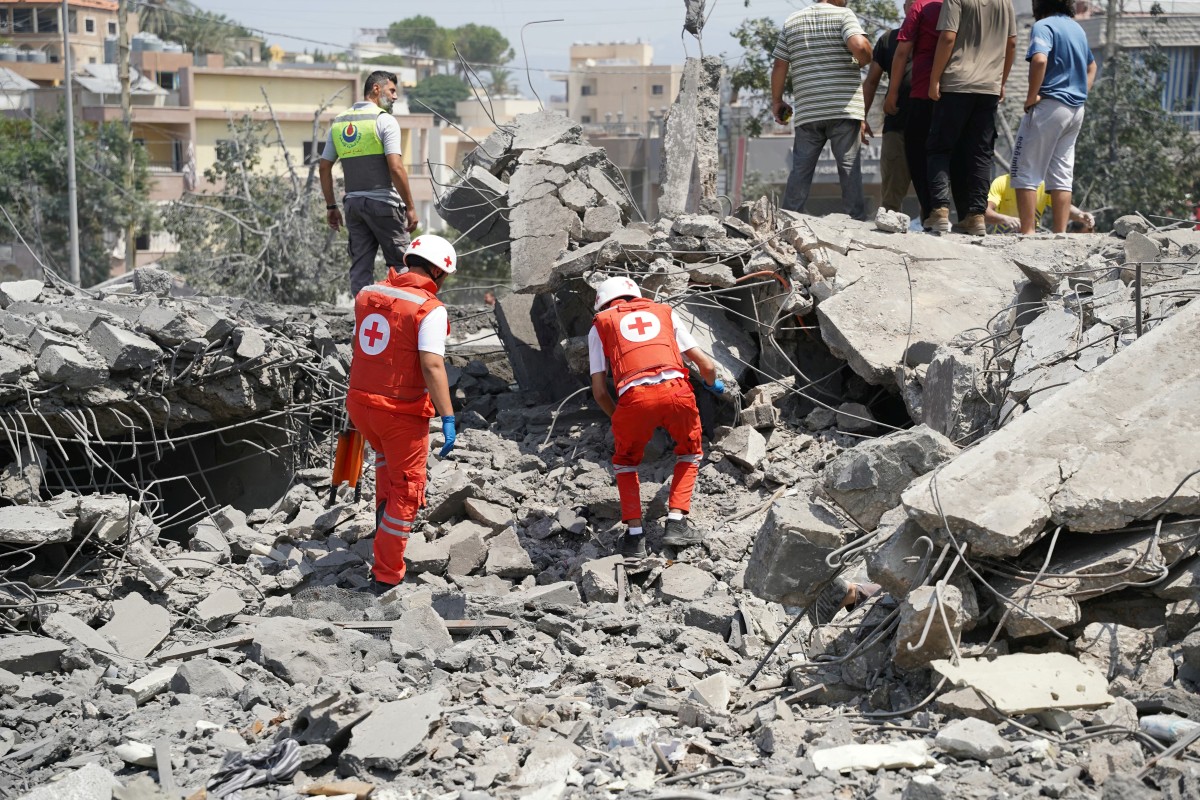
A Thursday morning strike on residential areas of Arabsalim, in the Nabatieh district, killed Saja Sharara, a young woman who had reportedly married two days earlier, as attacks continue across southern Lebanon.
Heller said Israeli rhetoric could compound the humanitarian crisis by fueling friction between Shiite residents and other communities in the south.
“It also risks heightening tensions between Shiite residents of south Lebanon and members of other, non-Shiite communities whom Israel has not expelled, and whom Israeli officials have attempted to portray as willing collaborators,” he said.
Israel has issued broad evacuation warnings across parts of southern Lebanon. But Christian, Druze and Shiite leaders told The New York Times in April that Israeli military representatives had privately reassured some non-Shiite communities that they could remain, while urging them to remove Shiite people seeking shelter.
Chokr said such messaging could further harden Lebanon’s sectarian fault lines.
“The danger in the Lebanese context is that defining social groups along sectarian lines is easier than it is in many other countries, and the consequences are severe,” he said. “One of the most dangerous consequences is the erosion of the distinction between religious civilian communities and armed resistance movements.”
He said Israel has sought to portray the conflict as one driven by a single sect.
“Israel has always worked to turn the conflict into a confrontation with a specific sect, in order to frame the entire cost borne by Lebanon as the result of that sect’s actions,” Chokr said.
“This brings the country to a dangerous level of sectarian incitement and hatred rooted in religious identity.”
That dynamic, he said, is already affecting displaced Shiite families.
“Unfortunately, we are already in the middle of this collapse in distinction on every level,” Chokr warned. “Domestically, inside Lebanon, Shiites are increasingly treated as a threat that brings Israel into areas that do not openly declare hostility toward it.”
He added that some communities have begun refusing to host people displaced from the south or declining to rent homes to them.
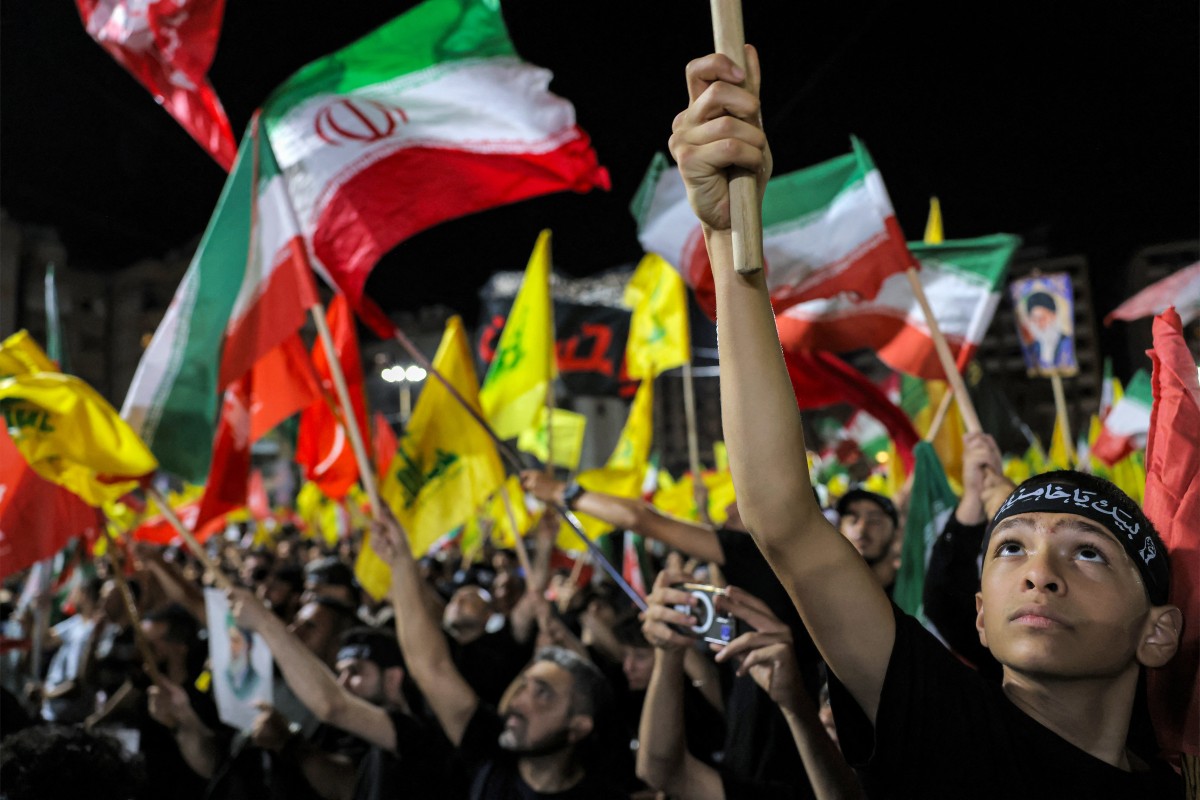
Internationally, Chokr said, Israel is seeking to legitimize widespread destruction by broadening the definition of the enemy.
“It is working to establish the idea that these civilians, their homes, and their villages are also a threat,” he said. “This is Israeli collective punishment and intimidation.”
Rights groups have accused the Israeli military of collective punishment in both Lebanon and the Gaza Strip.
Chokr linked the rhetoric to the so-called Dahiyeh Doctrine, named for Beirut’s southern suburbs, a Hezbollah stronghold heavily bombed during the 2006 war and the latest conflict.
“Israeli officials are so shameless that when they want to threaten Lebanon, they say they will turn Dahiyeh into Khan Younis,” he said, referring to the destruction of the southern Gaza city. “They mean the same scale of destruction.”
The doctrine began taking shape after the 2006 war. In 2008, former Israeli military chief Gadi Eisenkot said Israel would use disproportionate force against villages from which attacks were launched.
From Israel’s perspective, Chokr said, the doctrine treated Shiite villages as military arenas containing command, communications and security centers, laying the groundwork for broad destruction of civilian areas.
International humanitarian law places strict limits on such reasoning, according to Harout Ekmanian, a New York-based public international law attorney specializing in cross-border disputes and international arbitration.
“Describing the Shiite inhabitants of entire villages as ‘enemies’ is particularly concerning if such characterization informs military operations,” Ekmanian told Arab News.
“The destruction of homes or villages cannot lawfully be justified by the religious identity of their inhabitants or their presumed collective association with Hezbollah.”
International humanitarian law does not recognize communal guilt, he said.
“Hezbollah’s conduct cannot strip Lebanon’s Shiite civilians, or any religious or ethnic community, of the protections afforded to civilians,” Ekmanian said.
The law requires individualized assessments. Civilians are protected from attack unless and for as long as they directly take part in hostilities, while homes may be targeted only if they qualify as military objectives.
“Religious identity, residence in a Hezbollah-influenced area or presumed political affiliation does not change that,” Ekmanian said. He added that international humanitarian law prohibits adverse distinction based on religion and collective punishment.
Hezbollah’s actions, he said, cannot legally be attributed to Shiite civilians simply because they share a religious identity or live in areas where the group operates.
International human rights law reinforces those protections through principles of equality and non-discrimination, including on the grounds of religion and national or ethnic origin, he said.