- Benjamin Netanyahu, Prime Minister of Israel, affirms Israeli forces will remain in Gaza despite US-supported ceasefire proposal
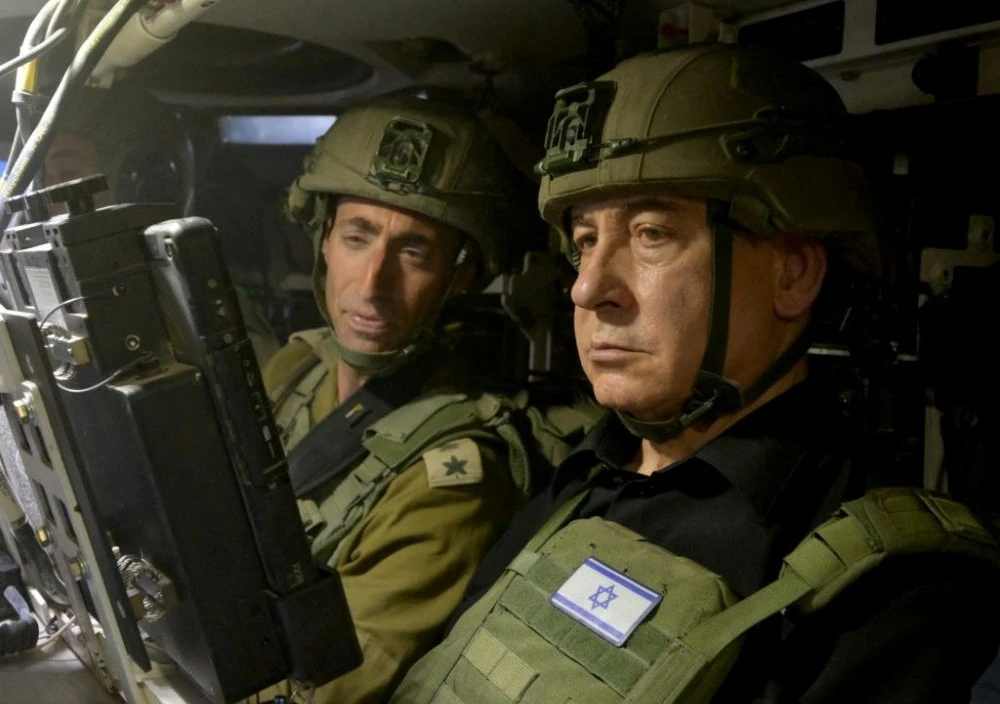
Benjamin Netanyahu, Prime Minister of Israel, stated during a visit to Israeli military positions in the Gaza Strip on Wednesday that Israeli forces would not withdraw from their current locations, according to an official statement from the Prime Minister’s Office.
“We control the area. We are not retreating. We are staying on this line,” Benjamin Netanyahu, Prime Minister of Israel, said near the Yellow Line, which marks the boundary between areas under the control of the militant group Hamas and the Israeli military.The visit occurred as the United States called for a ceasefire in Gaza, urging both parties to halt hostilities and pursue negotiations, according to Antony Blinken, US Secretary of State, and statements from the US State Department. The ceasefire proposal, which has received international backing, aims to reduce civilian casualties and facilitate humanitarian access, US officials said.
Israeli, Hamas, and international positions on Gaza operations
Netanyahu’s remarks underscore Israel’s position that military operations in Gaza will continue until its stated objectives are achieved. The Israeli government has repeatedly cited security concerns and the need to prevent attacks from the Gaza Strip as justification for its ongoing presence, according to statements from Israeli officials.
Hamas, which controls the Gaza Strip, has condemned the continued Israeli military presence and called for a full withdrawal as a precondition for any lasting ceasefire, according to a statement from the group’s spokesperson. The United Nations, through spokesperson Stéphane Dujarric, has called for restraint and renewed efforts to reach a negotiated settlement, citing the humanitarian impact of the conflict. The Egyptian Ministry of Foreign Affairs also urged both parties to accept an immediate ceasefire and emphasized the need for compliance with international humanitarian law.
Under international law, as referenced by the United Nations and the International Committee of the Red Cross, Gaza is considered occupied territory due to the extent of Israeli control over its borders, airspace, and maritime access, despite the withdrawal of permanent Israeli ground forces in 2005. The legal status of Gaza remains a subject of international consensus and ongoing debate in diplomatic forums.
Independent verification of the current situation on the ground in Gaza remains limited due to access restrictions for journalists and international observers.
No images available at time of publication.