- IRGC has consistently denied that seaborne crude flows in the strait are rebounding thanks to US Navy help
- Despite growing oil flows in September, Iranian attacks on tankers and logistical constraints have persisted
DUBAI: Transit routes in the Strait of Hormuz deemed illegal by Iran will soon be closed, an adviser to the Revolutionary Guards’ Commander told the semi-official Fars News Agency on Wednesday, referring to the southern pathway hugging Oman’s coast.
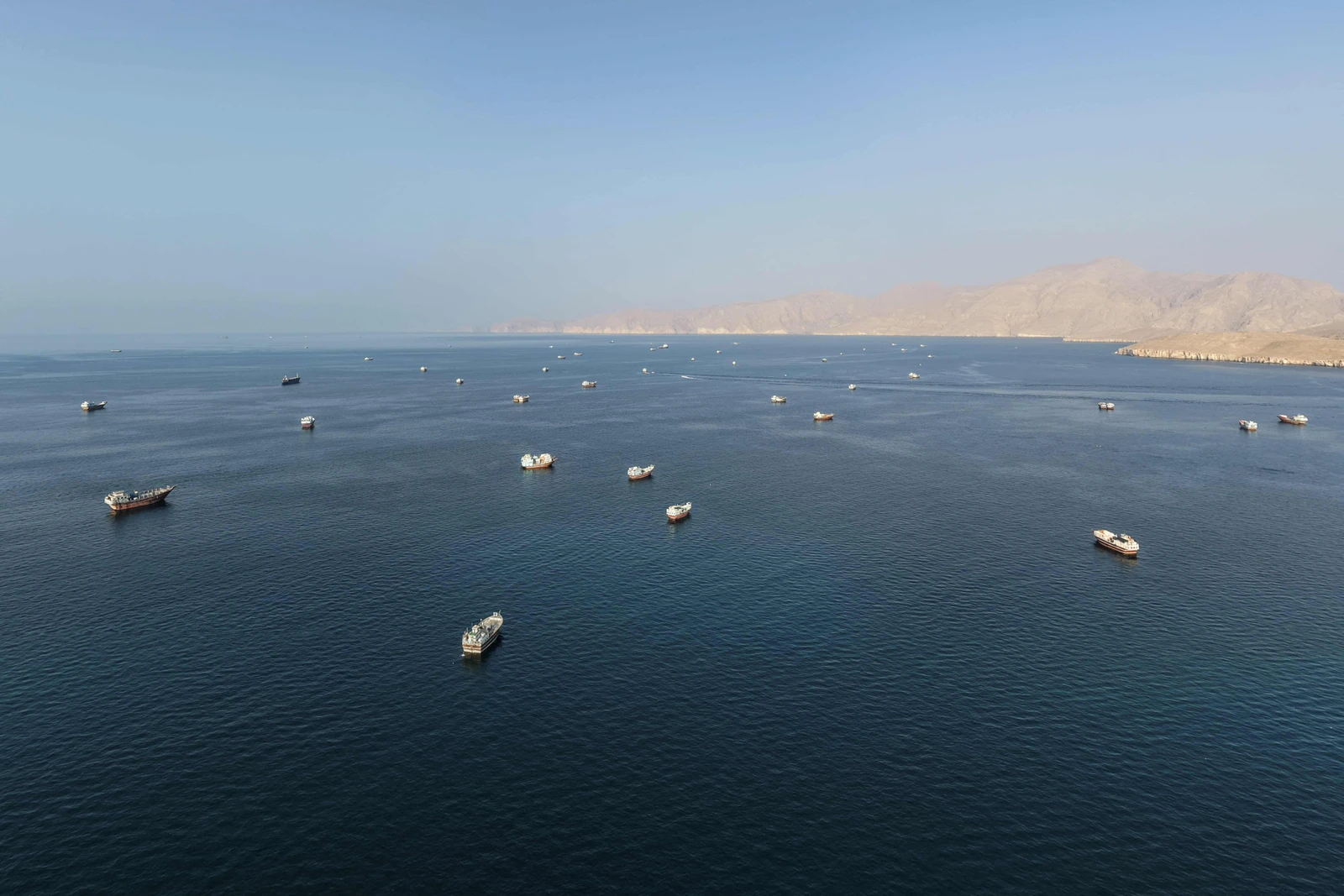
Mohammadreza Naqdi said these “few routes” had been created by blasting and damaging some of the rocky passages in the strategic waterway and were used by “small boats smuggling oil and transferring it to tankers,” challenging the narrative that Gulf oil exports are regaining pre-war levels.
“The Strait of Hormuz is closed, and the armed forces of the Islamic Republic of Iran have full control over it. This situation will continue until Iran’s legitimate demands are met,” he added.
A seven-day moving average for crude exports from the region was 18.3 million barrels per day on September 30, provisional data from Kpler showed, with volumes topping pre-war levels on 14 days in September.
That included Gulf oil sent via Hormuz, the Red Sea, and from terminals and ship-to-ship transfers in the Gulf of Oman.
The IRGC has consistently denied that seaborne crude flows in the strait are rebounding thanks to US Navy help, with another IRGC adviser Majid Mirahmadi saying on Thursday that a daily average of 10 ships transit the waterway against an average of 125 before the war which started on February 28, when the US and Israel killed Supreme Leader Ayatollah Ali Khamenei in a Tehran airstrike.
Despite growing oil flows in September, Iranian attacks on tankers and logistical constraints have persisted and call into question whether higher flows can be sustained durably.