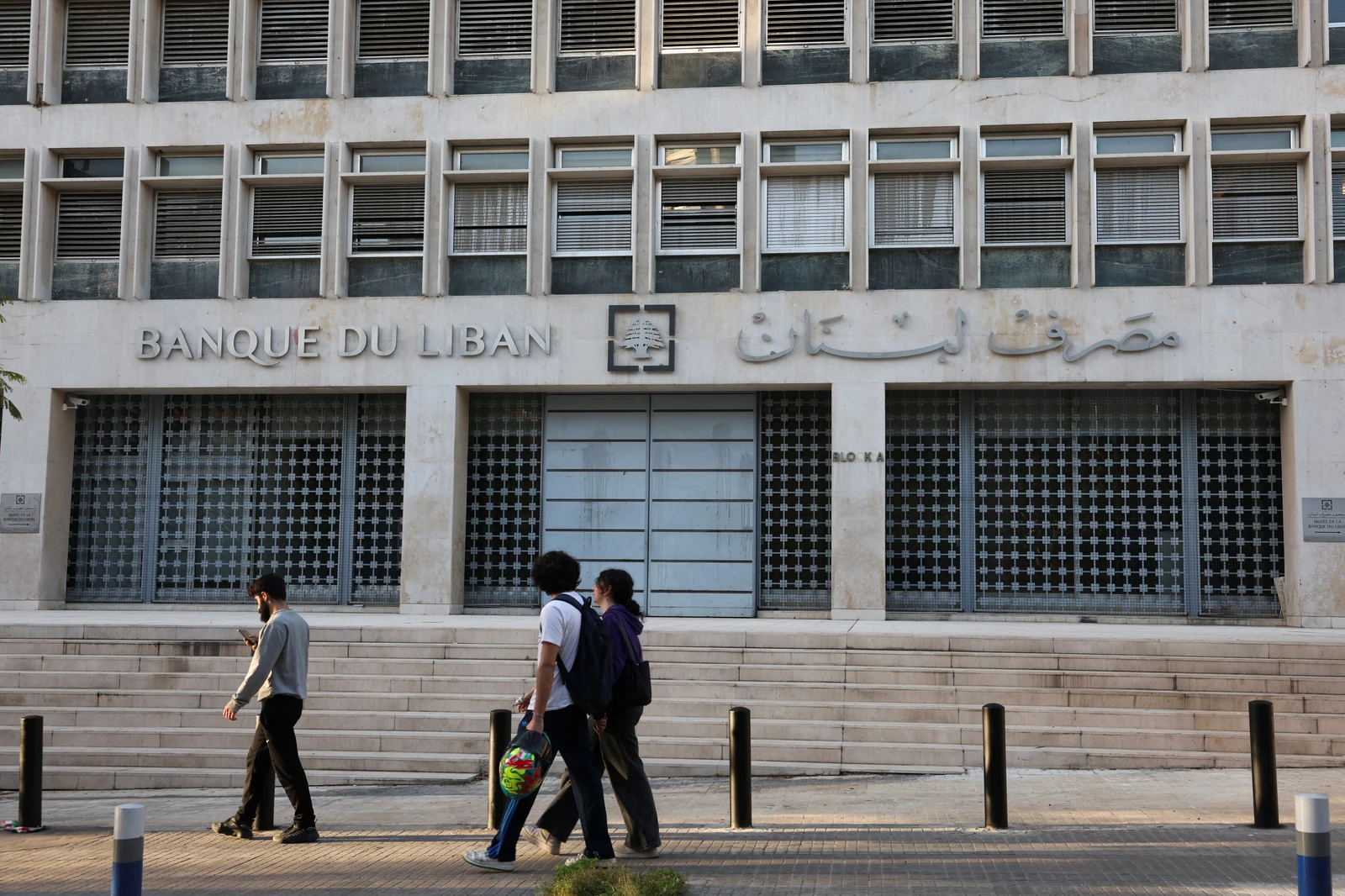
- International Monetary Fund ends four days of Beirut meetings calling for "further work" on strategy to restructure banking sector
- Finance minister says he hopes a program with the IMF can be signed during the first quarter of 2027
BEIRUT: The International Monetary Fund said on Friday that more work was needed to reach an agreement on restructuring Lebanon’s banking sector, one of the steps toward unlocking billions of dollars in financial assistance.
An IMF staff-level agreement reached in April 2022 laid out conditions to unlock assistance, including a law on the distribution of losses in the banking sector, known as the financial gap law, which parliament has still not voted on.
In a statement at the end of meetings that began on Tuesday, the IMF said “there was progress in further clarifying the approaches under consideration by the Banque du Liban (BdL) and the Government” regarding banking sector reform, the draft financial regulation law and the recovery of deposits, and aligning them with international standards.”
It however noted that “further work is needed to reach an agreement on a strategy for an effective and durable restructuring of Lebanon’s banking sector, leading to a sound and resilient system.”
The cabinet submitted a draft of the law to parliament in 2025, but the text is contested by the banking sector and political parties, preventing a vote.
Differences over estimates of losses and their distribution have stalled negotiations with the IMF.
In 2022, the government estimated losses resulting from the 2019 financial crisis at around $70 billion, a figure believed to have increased over the last seven years during which the crisis has remained unresolved.
Lebanese Finance Minister Yassin Jaber said during a news conference that he hoped to “achieve progress that would allow us to reach an agreement on a program with the IMF and sign it during the first quarter of next year, and by its end at the latest.”
Lebanon’s economic crisis, which the World Bank has ranked among the worst since 1850, has deprived depositors of access to all of their funds, destroyed confidence in the banking sector and led to greater reliance on cash liquidity in various economic and commercial activities.