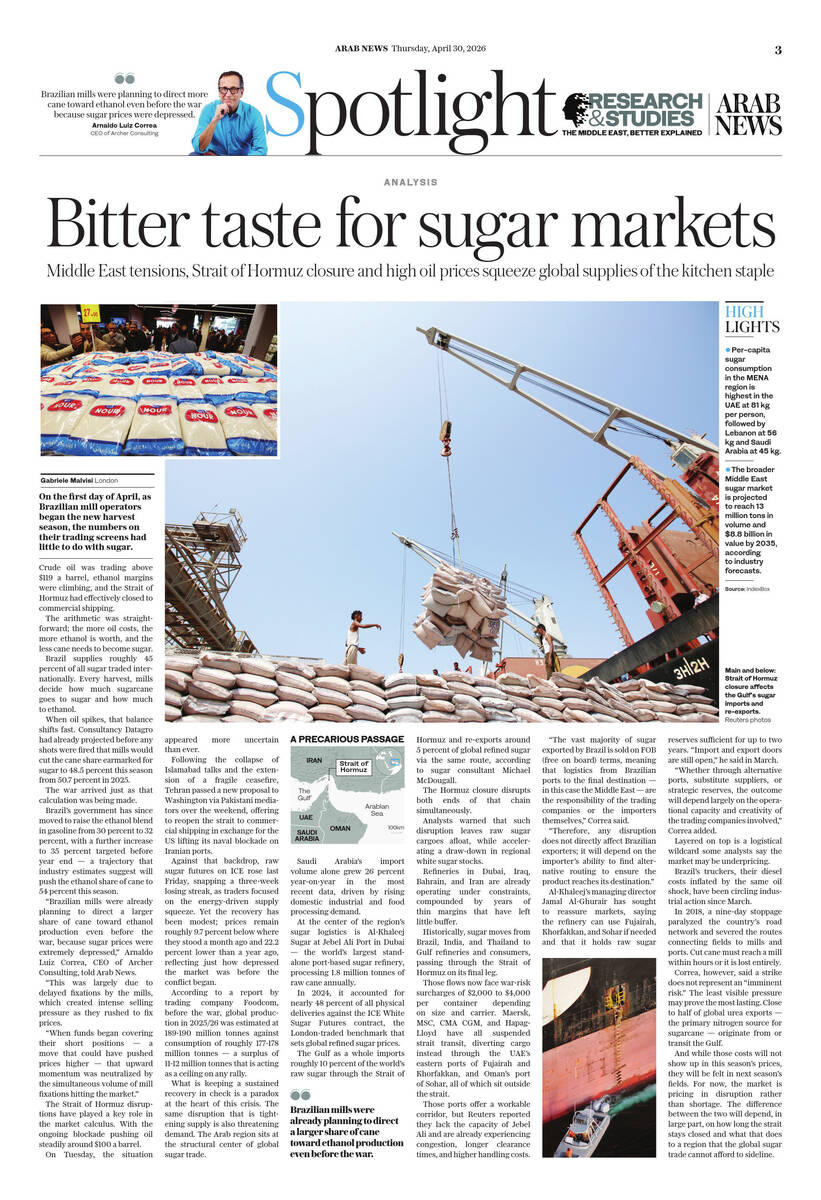
- Oil surge drives Brazil toward ethanol, cutting sugar output as Hormuz disruption snarls key global trade routes
- Middle East demand shock and logistics bottlenecks threaten flows, leaving markets caught between surplus and tightening supply
LONDON: On the first day of April, as Brazilian mill operators began the new harvest season, the numbers on their trading screens had little to do with sugar.
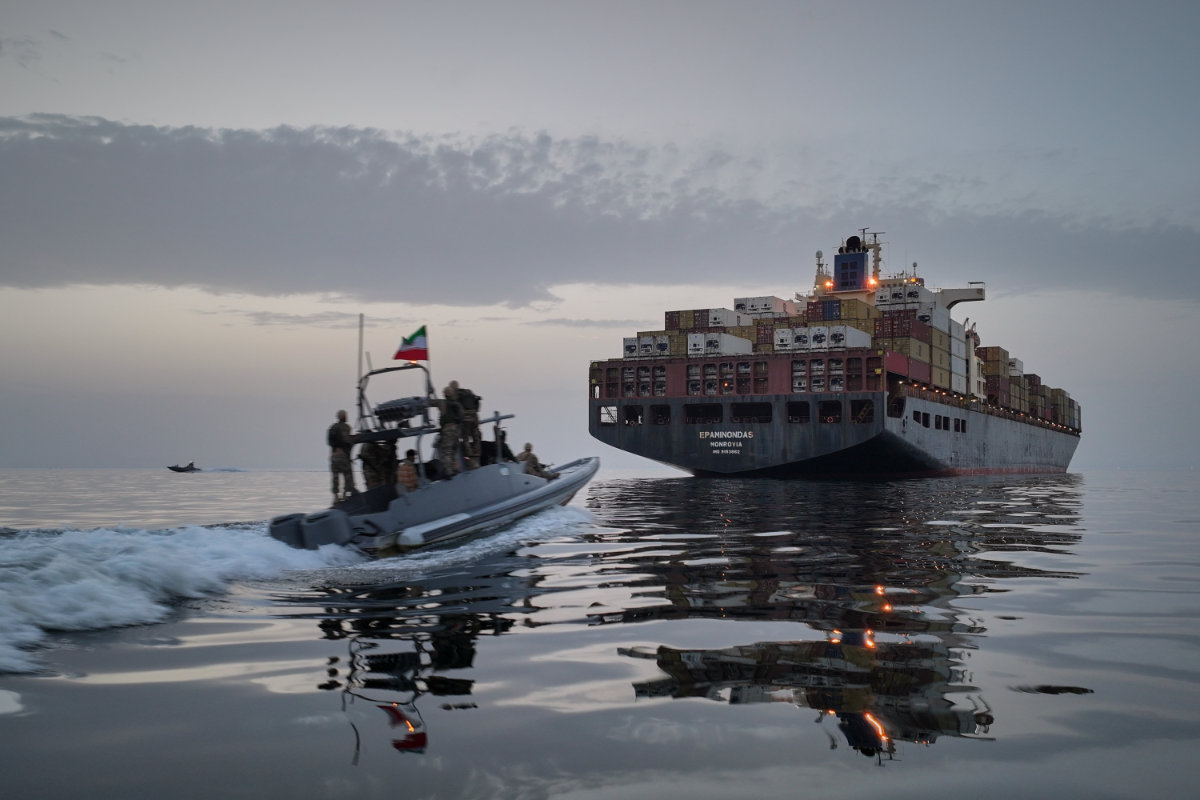
Crude oil was trading above $119 a barrel, ethanol margins were climbing, and the Strait of Hormuz had effectively closed to commercial shipping.
The arithmetic was straightforward: the more oil costs, the more ethanol is worth, and the less cane needs to become sugar.
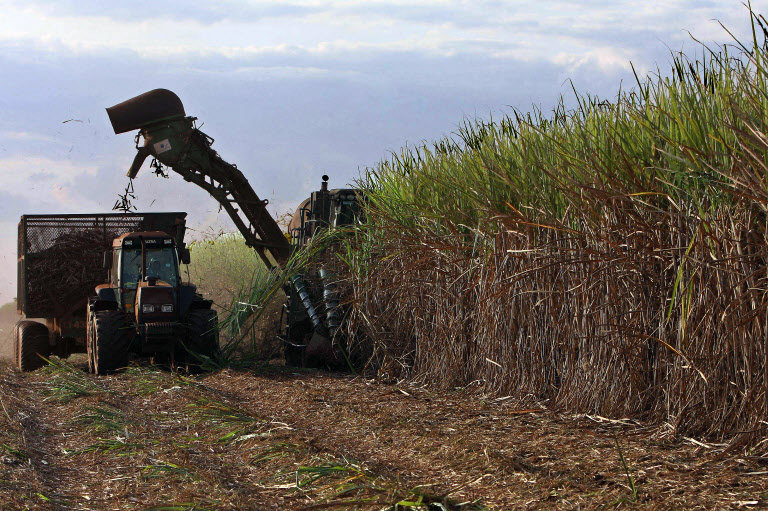
Brazil supplies roughly 45 percent of all sugar traded internationally. Every harvest, mills decide how much sugarcane goes to sugar and how much to ethanol — a uniquely Brazilian mechanism that makes the country the swing producer not just of sweetener but of biofuel.
When oil spikes, that balance shifts fast. Consultancy Datagro had already projected before any shots were fired that mills would cut the cane share earmarked for sugar to 48.5 percent this season from 50.7 percent in 2025.
The war arrived just as that calculation was being made.
Brazil’s government has since moved to raise the ethanol blend in gasoline from 30 percent to 32 percent, with a further increase to 35 percent targeted before year end — a trajectory that industry estimates suggest will push the ethanol share of cane to 54 percent this season.
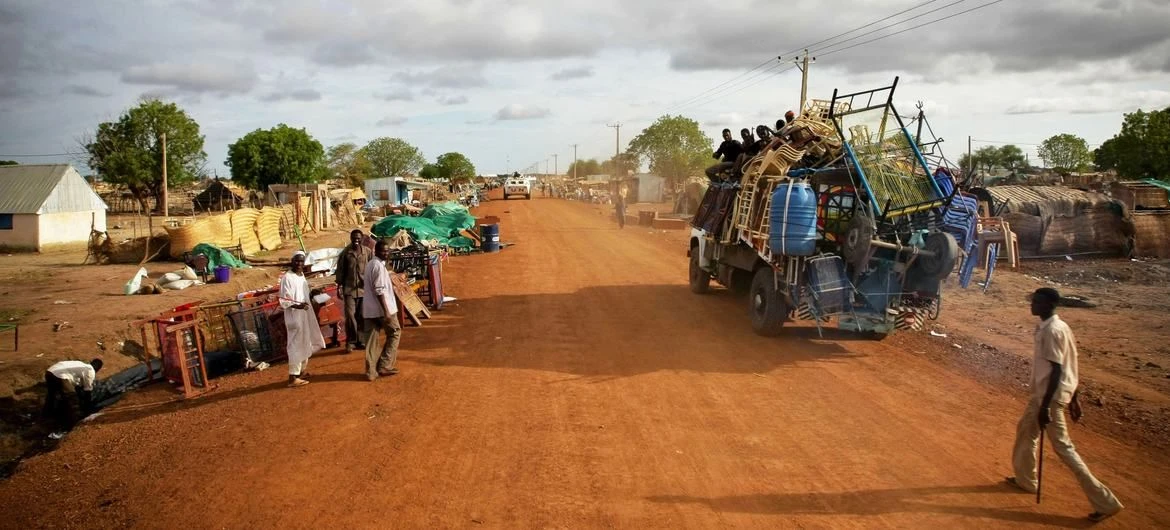
“Brazilian mills were already planning to direct a larger share of cane toward ethanol production even before the war, because sugar prices were extremely depressed,” Arnaldo Luiz Correa, CEO of Archer Consulting, told Arab News.
“This was largely due to delayed fixations by the mills, which created intense selling pressure as they rushed to fix prices.
“When funds began covering their short positions — a move that could have pushed prices higher — that upward momentum was neutralized by the simultaneous volume of mill fixations hitting the market.”
The Strait of Hormuz disruptions have played a key role in the market calculus. With the ongoing blockade pushing oil steadily around $100 a barrel, the incentive for Brazilian mills to divert cane toward ethanol has grown — meaning less sugar reaching global markets.
On Tuesday, the situation appeared more uncertain than ever.
Following the collapse of Islamabad talks and the extension of a fragile ceasefire, Tehran passed a new proposal to Washington via Pakistani mediators over the weekend, offering to reopen the strait to commercial shipping in exchange for the US lifting its naval blockade on Iranian ports and ending hostilities.
The White House said it was examining the proposal. But the diplomatic mood remained tense: Iran’s ambassador to the UN, Amir Saeid Iravani, told the Security Council that any lasting stability in the Gulf requires “credible guarantees,” as Washington is no longer in a position to “dictate” policy to other nations.
Against that backdrop, raw sugar futures on ICE rose last Friday, snapping a three-week losing streak, as traders set aside concerns over ample supplies and focused on the energy-driven supply squeeze.
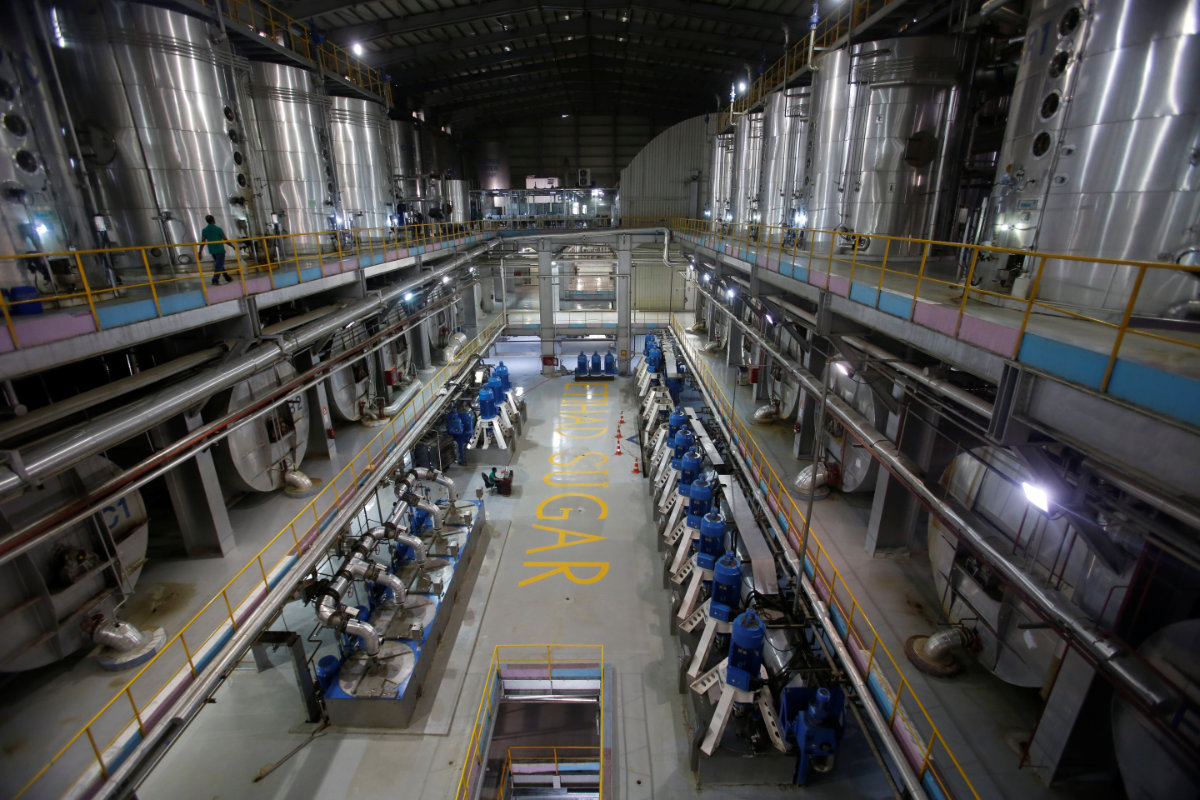
Yet the recovery has been modest: prices remain roughly 9.7 percent below where they stood a month ago and 22.2 percent lower than a year ago, reflecting just how depressed the market was before the conflict began.
According to a report by trading company Foodcom, before the war, global production in 2025/26 was estimated at 189-190 million tons against consumption of roughly 177-178 million tons — a surplus of 11-12 million tons that is acting as a ceiling on any rally.
What is keeping a sustained recovery in check is a paradox at the heart of this crisis. The same disruption that is tightening supply is also threatening demand. The Arab region — far from a passive consumer — sits at the structural center of global sugar trade.
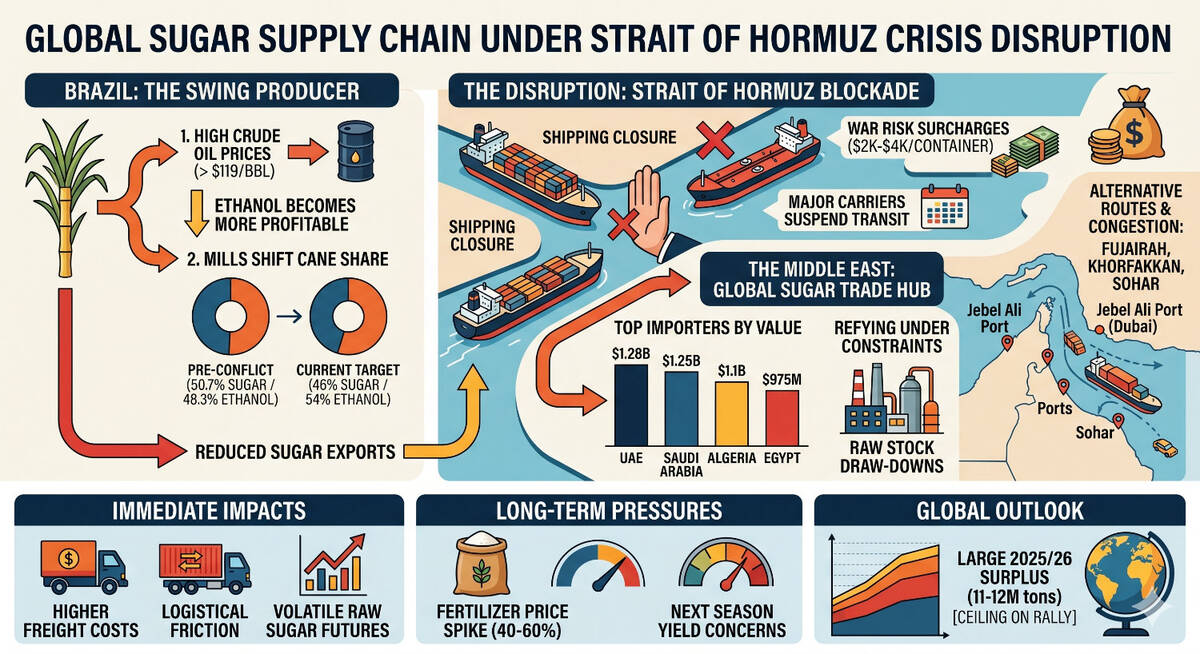
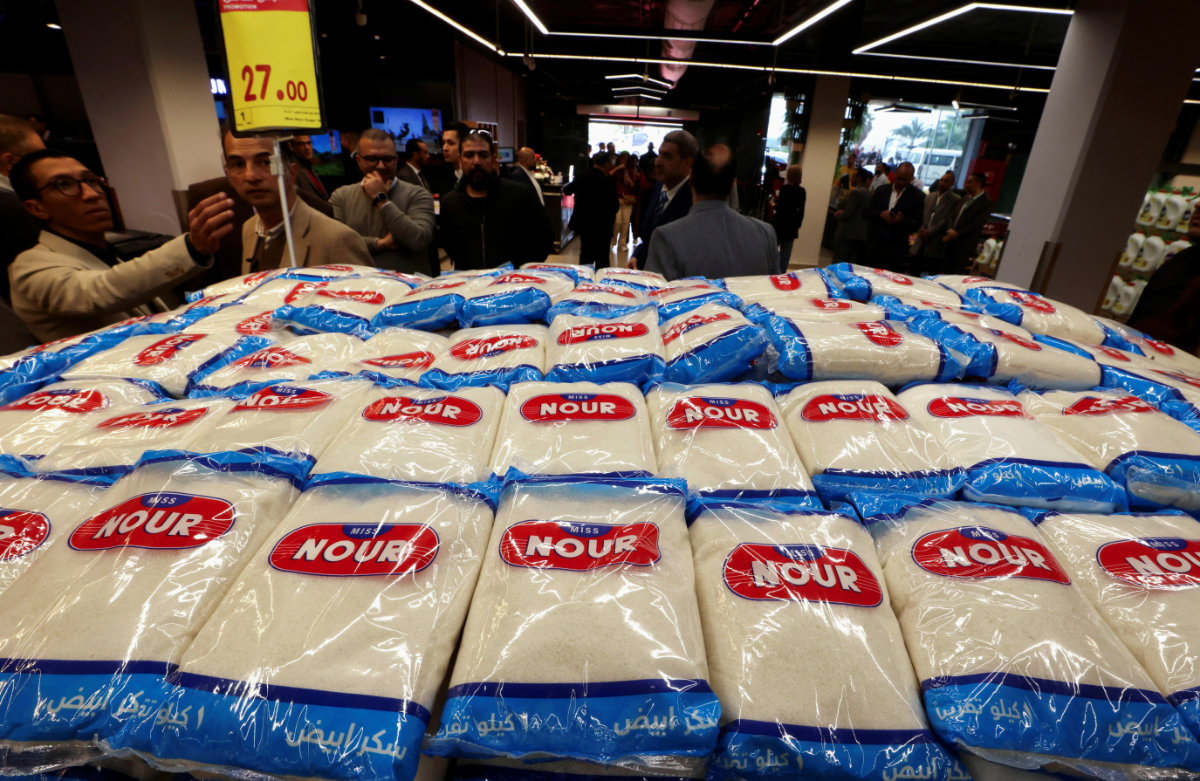
In 2024, six Middle Eastern and North African countries ranked among the world’s top 30 sugar importers by value, led by the UAE — a major re-export hub — at $1.28 billion, Saudi Arabia at $1.25 billion, Algeria at $1.1 billion, and Egypt at $975 million.
Saudi Arabia’s import volume alone grew 26 percent year-on-year in the most recent data, driven by rising domestic industrial and food processing demand.
At the center of the region’s sugar logistics is Al-Khaleej Sugar at Jebel Ali Port in Dubai — the world’s largest standalone port-based sugar refinery, processing 1.8 million tons of raw cane annually.
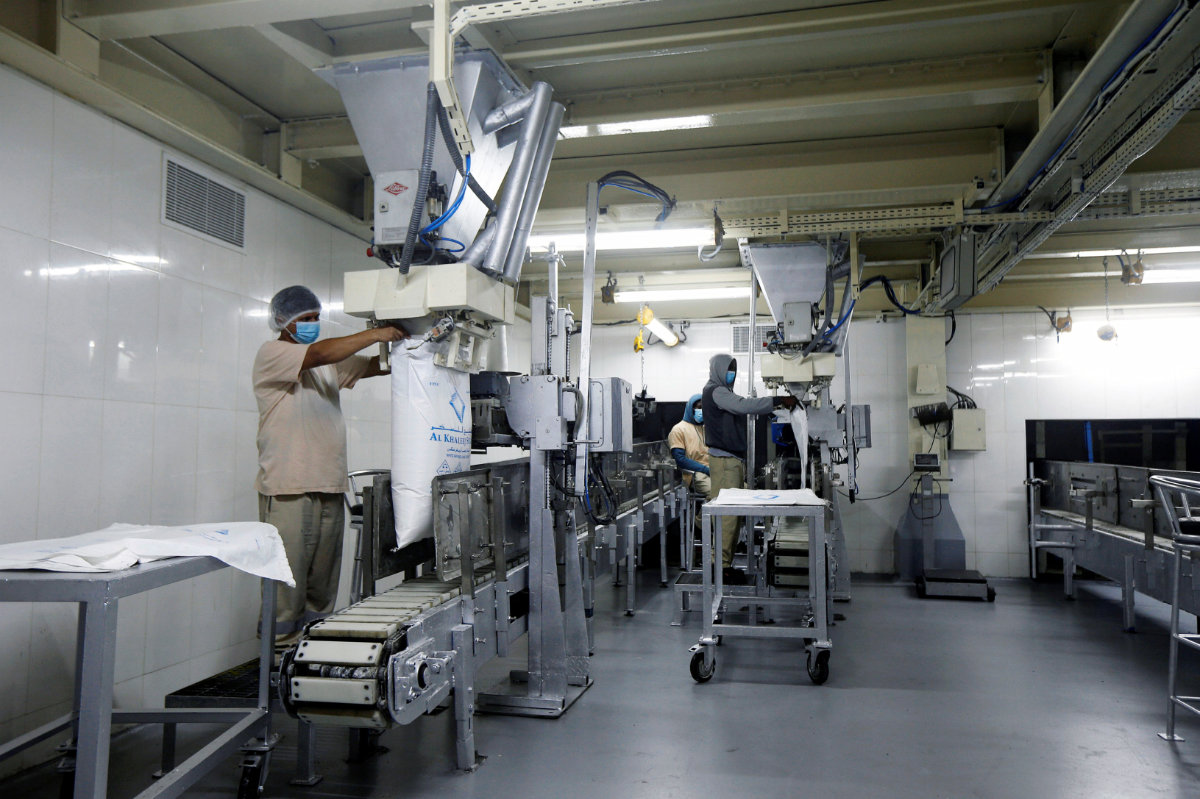
In 2024, it accounted for nearly 48 percent of all physical deliveries against the ICE White Sugar Futures contract, the London-traded benchmark that sets global refined sugar prices.
The Gulf as a whole imports roughly 10 percent of the world’s raw sugar through the Strait of Hormuz and re-exports around 5 percent of global refined sugar via the same route, according to sugar consultant Michael McDougall.
The Hormuz closure disrupts both ends of that chain simultaneously.
Analysts warned that such disruption leaves raw sugar cargoes afloat and looking for new buyers, while accelerating a draw-down in regional white sugar stocks.
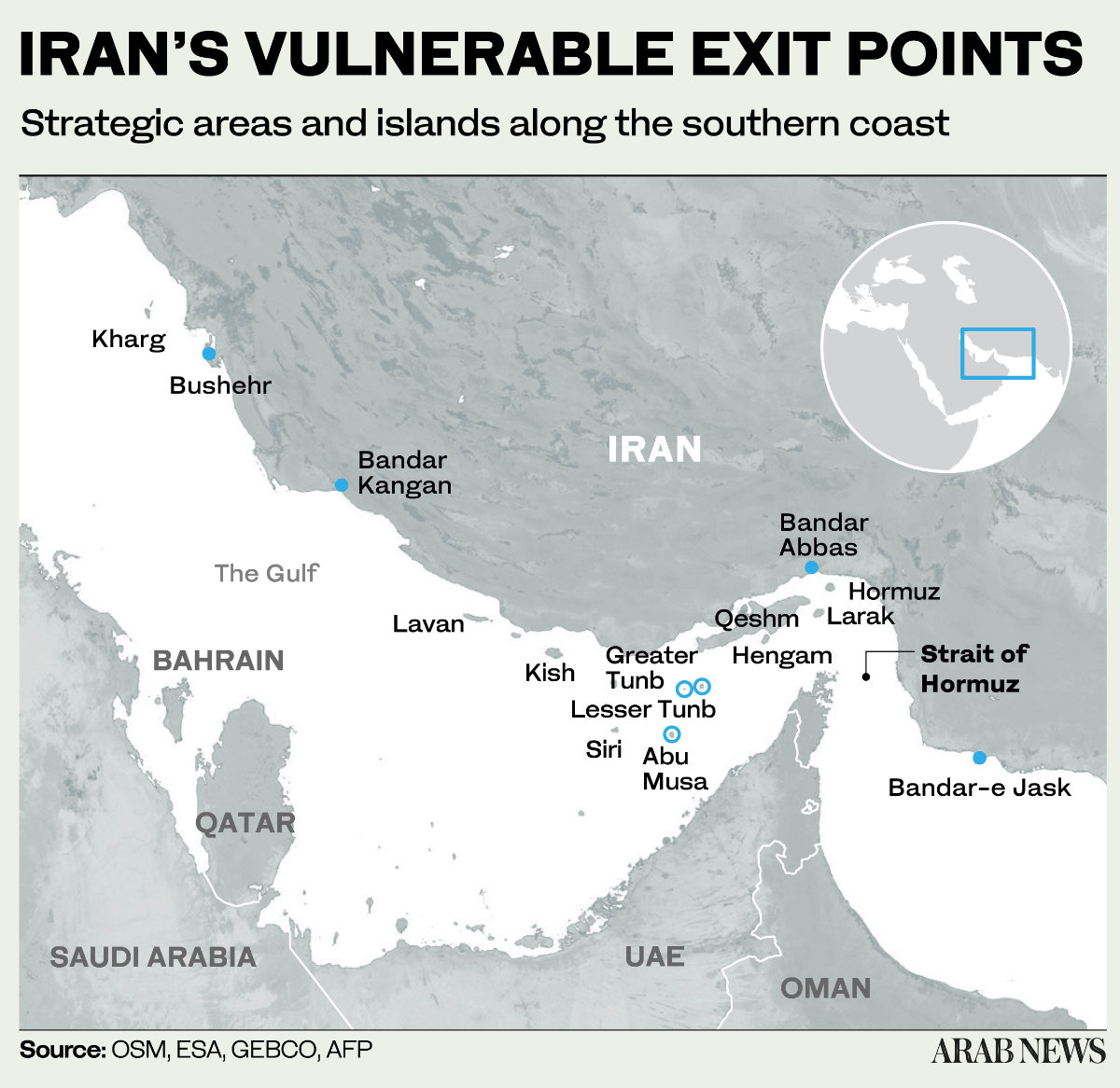
Refineries in Dubai, Iraq, Bahrain, and Iran are already operating under constraints, compounded by years of thin margins that have left little buffer.
Historically, sugar moves from Brazil, India, and Thailand to Gulf refineries and consumers, passing through the Strait of Hormuz on its final leg.
Those flows now face war-risk surcharges of $2,000 to $4,000 per container depending on size and carrier — costs that will not stay on traders’ balance sheets for long before passing to buyers.
Maersk, MSC, CMA CGM, and Hapag-Lloyd — the world’s four largest container carriers — have all suspended strait transit, diverting cargo instead through the UAE’s eastern ports of Fujairah and Khorfakkan, and Oman’s port of Sohar, all of which sit outside the strait.
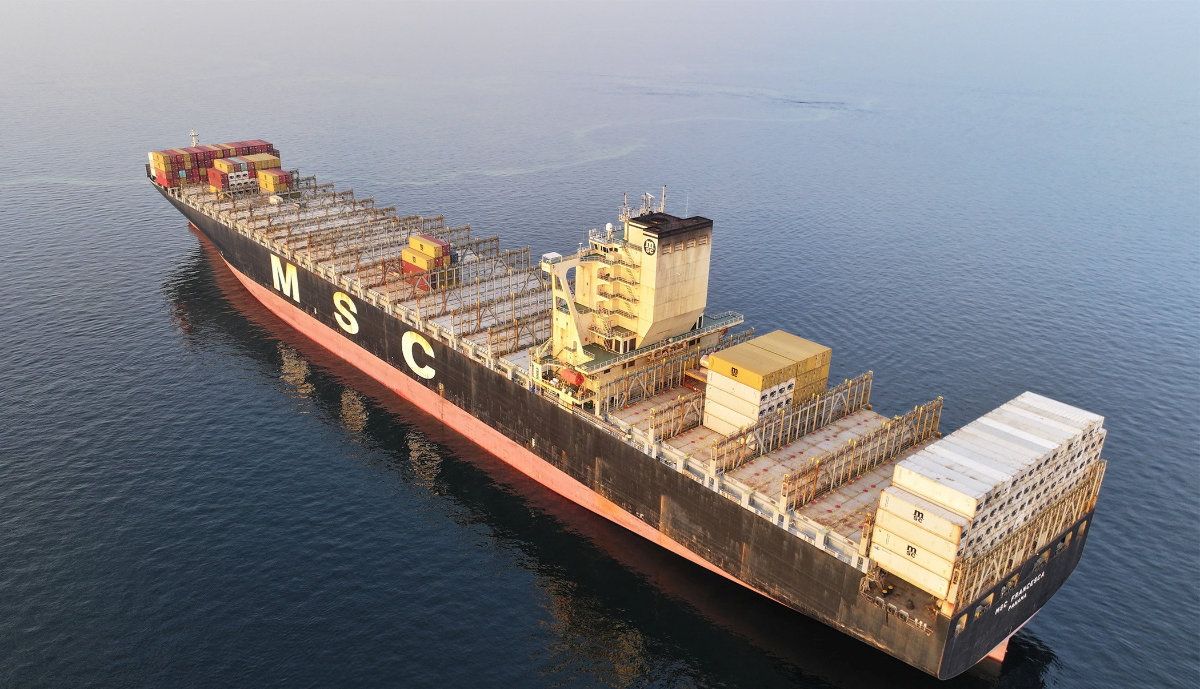
Those ports offer a workable corridor, but Reuters reported they lack the capacity of Jebel Ali and are already experiencing congestion, longer clearance times, and higher handling costs — adding friction to supply chains already running thin.
The responsibility for navigating those complexities falls largely outside Brazil’s borders.
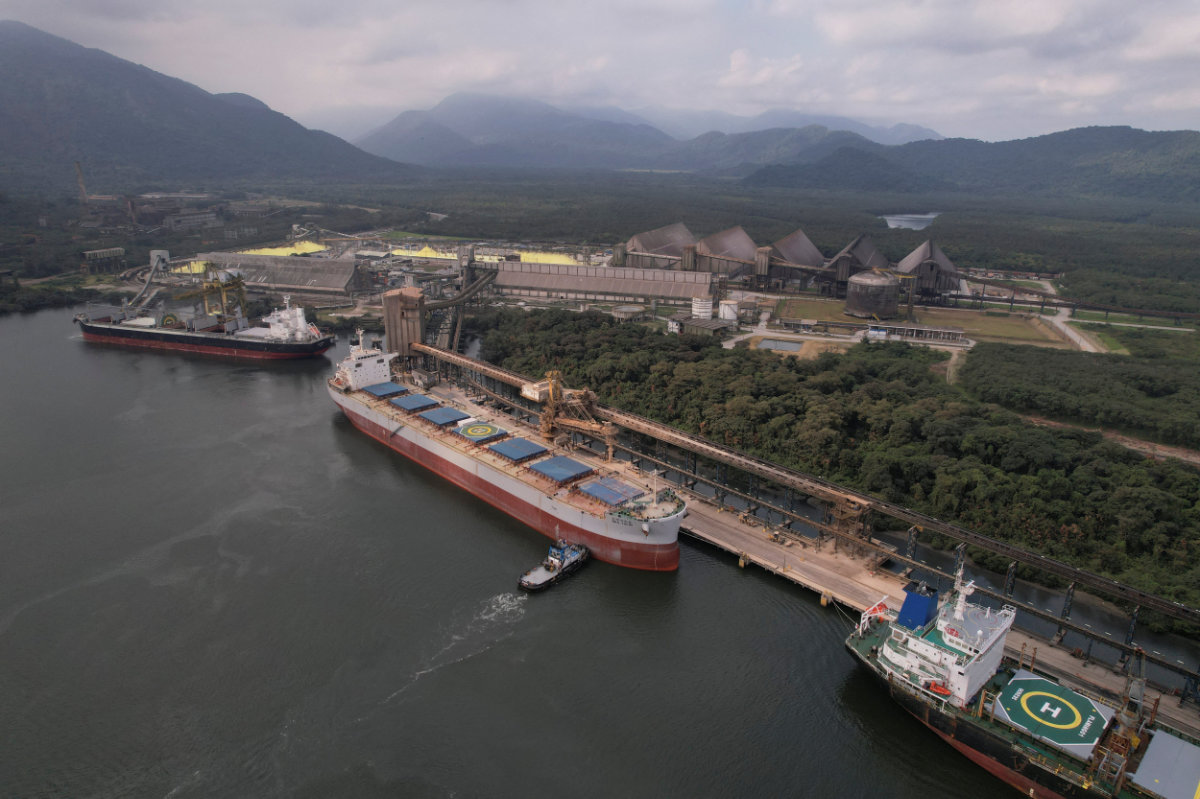
“The vast majority of sugar exported by Brazil is sold on FOB (free on board) terms, meaning that logistics from Brazilian ports to the final destination — in this case the Middle East — are the responsibility of the trading companies or the importers themselves,” Correa said.
“Therefore, any disruption does not directly affect Brazilian exporters; it will depend on the importer’s ability to find alternative routing to ensure the product reaches its destination.”
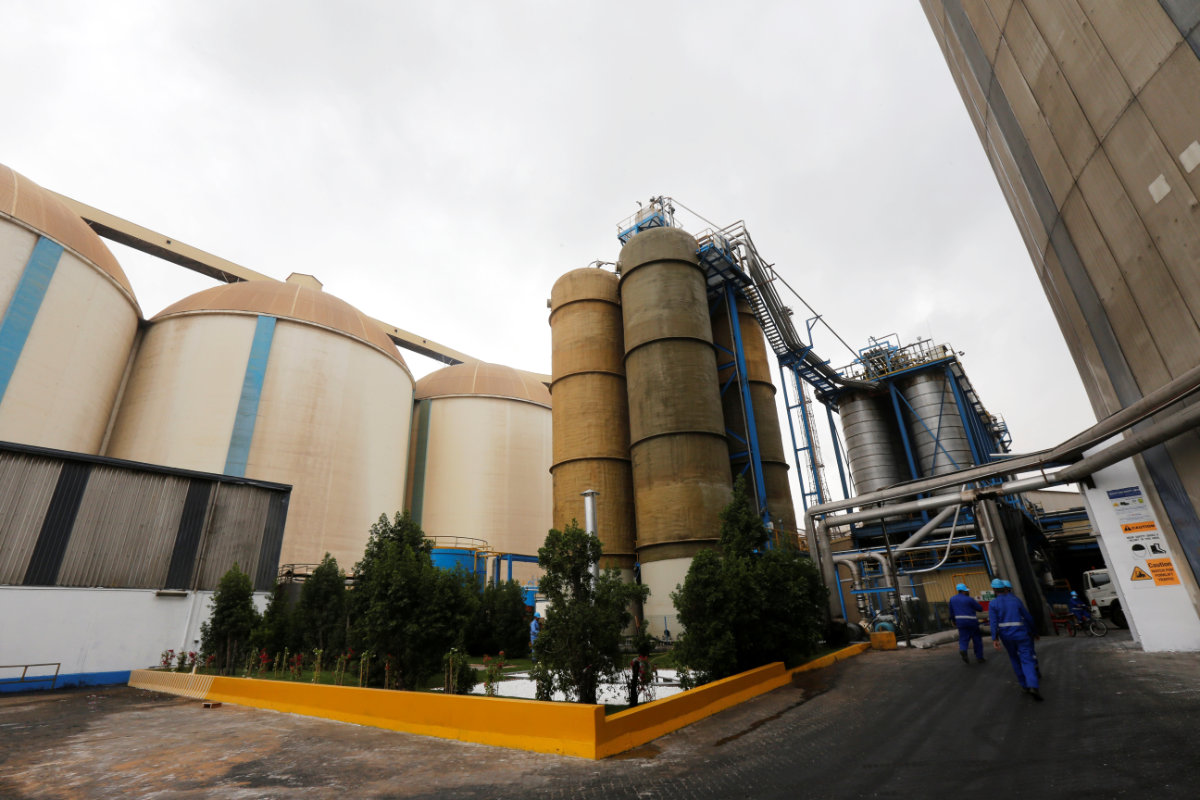
Al-Khaleej’s managing director Jamal Al-Ghurair has sought to reassure markets, saying the refinery can use Fujairah, Khorfakkan, and Sohar if needed and that it holds raw sugar reserves sufficient for up to two years.
“Import and export doors are still open,” he said in March.
Saudi Arabia has also begun rerouting eastern-port shipments through Jeddah Islamic Port. But traders remain cautious, noting that some Omani facilities have already been targeted in the conflict, and that alternative routes are a workaround, not a solution.
“Whether through alternative ports, substitute suppliers, or strategic reserves, the outcome will depend largely on the operational capacity and creativity of the trading companies involved,” Correa added.
Layered on top is a logistical wildcard some analysts say the market may be underpricing.
Brazil’s truckers, their diesel costs inflated by the same oil shock, have been circling industrial action since March.
In 2018, a nine-day stoppage paralyzed the country’s road network, forced Copersucar — Brazil’s largest sugar shipper — to declare force majeure on contracts, and severed the routes connecting fields to mills and ports. Cut cane must reach a mill within hours or it is lost entirely.
Correa, however, said a strike does not represent an “imminent risk,” noting that trucks operating within mill complexes — handling cane from field gate to processing unit — are company-owned and would not be affected by a broader walkout.
The least visible pressure may prove the most lasting. Close to half of global urea exports — the primary nitrogen source for sugarcane — originate from or transit the Gulf, and fertilizer prices have already risen 40 to 60 percent globally.
And while those costs will not show up in this season’s prices, they will be felt in next season’s fields, affecting yields in Brazil, India, and Southeast Asia well beyond any ceasefire.
Analysts have also flagged a strong probability of an El Nino weather pattern in the coming months, bringing drought conditions to Southeast Asia and threatening production in Thailand and India — the other two pillars of global sugar supply.
For now, the market is pricing in disruption rather than shortage. The difference between the two will depend, in large part, on how long the strait stays closed and what that does to a region that the global sugar trade cannot afford to sideline.