- Hezbollah carried out 961 operations over 120 days since Oct. 8, losing 184 fighters
BEIRUT: Hostile operations on Lebanon’s southern border between Hezbollah and the Israeli army entered their fifth month on Monday, with intensive diplomatic efforts in Beirut and Tel Aviv offering prospects for peace.
Israel’s Channel 12 said on Monday morning that “eight rockets were fired from Lebanon towards the Upper Galilee region and the Israeli army responded with artillery shelling.”
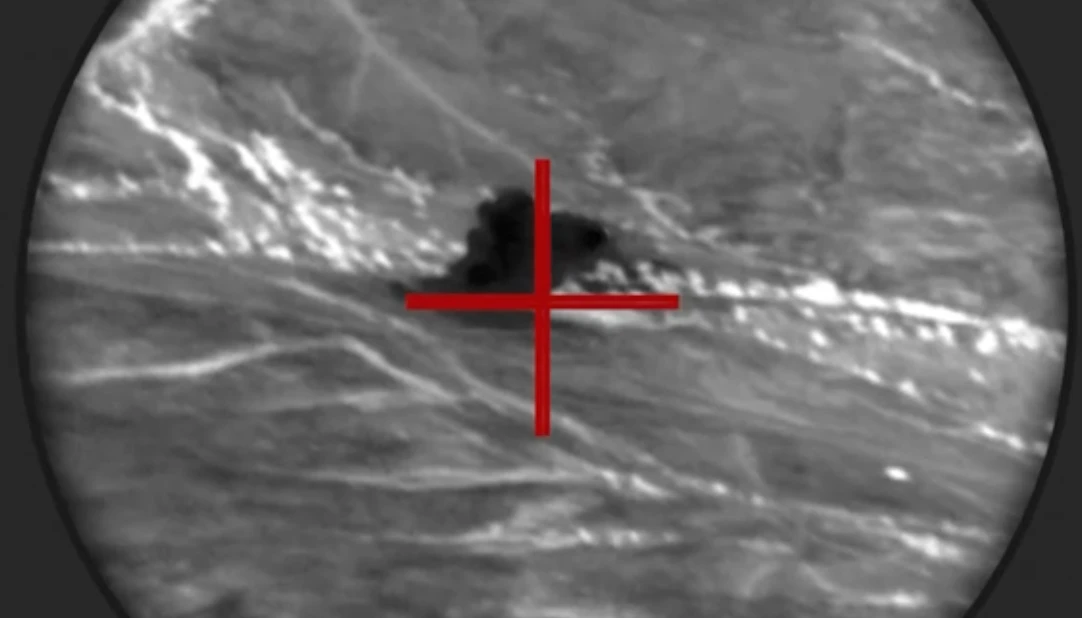
Hezbollah announced the targeting of the Al-Sammaqa Israeli military base in the Kfar Shuba Hills and Shebaa Farms “with missiles, resulting in direct hits.”
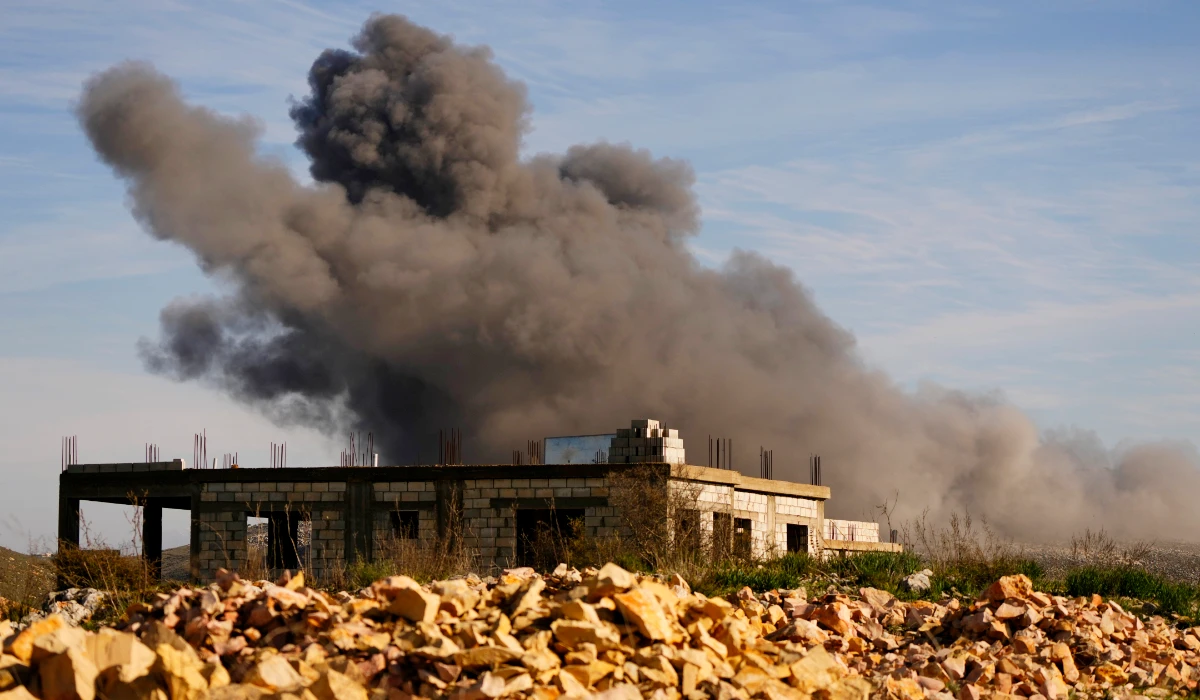
Israeli artillery targeted the outskirts of Lebanese border towns, namely Al-Fardis, Rashaya Al-Fakhar, Al-Khraibeh, Wadi Hamul, Al-Labouneh, Naqoura, Wadi Hassan and Majdal Zoun, along with the forest area between the towns of Tayr Harda and Chamaa. Israeli jets also struck the town of Marwahin, while Israeli drones bombed Yaroun in the Bint Jbeil district.
Hezbollah announced the death of three fighters: Mohammed Hasssan Faqih from the town of Aitaroun, Abbas Ahmed Al-Kharsa from the town of At-Tiri and Abbas Khoder Nasser from the town of Yaroun, all of which are border towns.
On Sunday night, Israeli airstrikes hit a home in the town of Yaroun, resulting in deaths and injuries.
The Amal Movement, Hezbollah’s ally, joined the fight on Sunday, announcing “the targeting of the Adamit Barkat Risha barracks, the Margaliot settlement, the sites of Hanita and Arab Al-Aramshe, along with the Eilon settlement,” in response to Israeli bombardment that killed two of its members in the town of Blida.
Hezbollah revealed the results of missions it carried out over 120 days in a report that recorded 961 operations between Oct. 8 last year and Feb. 4 — an average of eight operations per day.
The group’s military media said that 56 military vehicles, including four logistical vehicles, 28 armored personnel carriers and 24 tanks were targeted, along with 26 command centers and 178 positions. About 500 Israeli housing units were also destroyed.
The report added: “237 technical equipment, two military factories, 316 personnel positions, 25 border walls, 14 artillery positions, two Iron Dome platforms, and five drones and planes were also targeted.”
Hezbollah’s military media said that its forces had inflicted up to 2,000 casualties on the Israeli side. The group’s operations “varied between 72 targeting settlements, 670 targeting border sites, 61 backline sites and 122 border points.”
The report added: “Hezbollah forced Israel to evacuate the northern settlements at a depth of 5 km. The number of evacuated settlements reached 43, while the declared number of displaced persons reached 81,000 individuals. However, the actual estimates of the displaced reached 230,000 individuals.”
During that period, Hezbollah used a variety of weapons in its operations. According to the military media, its forces conducted “323 artillery bombardments, 244 surface-to-surface missile attacks, 68 machine gun shootings, 40 actions with air defense systems, 23 drone attacks, 385 guided missile strikes, 85 direct weapon military operations, nine engineering operations and 72 operations with different types of weapons.”
On the other hand, over 120 days, Hezbollah mourned 184 dead fighters, most of them from the south and some from the Bekaa region.
Municipalities in the villages along the southern border reported that about 130,000 residents from different Lebanese sects have been displaced. These reports documented the destruction of residential neighborhoods and the burning of forests due to repeated attacks from the Israeli army using phosphorous bombs.
As the bombardment continues on both sides of the border, Lebanon has witnessed a flurry of diplomatic activity to quell tensions and attempt to separate the border issue from events in Gaza.
Hezbollah has insisted its military activity is a consequence of Israel’s war in Gaza. Hezbollah MP Hussein Hajj Hassan said on Monday that the group “will continue to carry out its operations as long as they are necessary, because we are concerned with preventing the Zionist enemy from winning in Gaza. The enemy’s defeat in Gaza will be reflected in the entire region.”
Israeli army spokesman Daniel Hagari said: “Regular and reserve forces are conducting training on land, sea and air in anticipation of any war in the north.”
The Israeli Broadcasting Corporation said on Monday that there are “encouraging indications of calm between Israel and Hezbollah with the help of US mediation.”
Israeli officials highlighted the “genuine opportunity” to resolve tensions with Hezbollah, pointing to a US proposal for the militia to withdraw from the border and allow displaced Israelis to return to settlements in the north.
US envoy Amos Hochstein met Israeli government officials on Sunday evening, and, according to Israeli Channel 12, proposed a two-step plan. The first step involves Hezbollah’s withdrawal from southern Litani and the reinforcement of UNIFIL and Lebanese army forces in the area. The second step includes negotiations between Lebanon and Israel to define the land borders and resolve disputes over occupied and disputed areas. Israel must make concessions for the proposal to function.
Israeli Foreign Minister Israel Katz said Monday: “Time is running out to find a diplomatic solution in southern Lebanon … if a political solution is not reached, there will be military action to return the residents of Israeli towns on the Lebanese border.”
Lebanon is preparing to receive more international delegates this week, including French Foreign Minister Stephane Sejourne on Tuesday.