- Olabi affirmed that the new Syria views the media’s role as conveying facts, presenting events accurately, addressing issues objectively and independently, and proposing solutions rather than merely highlighting problems
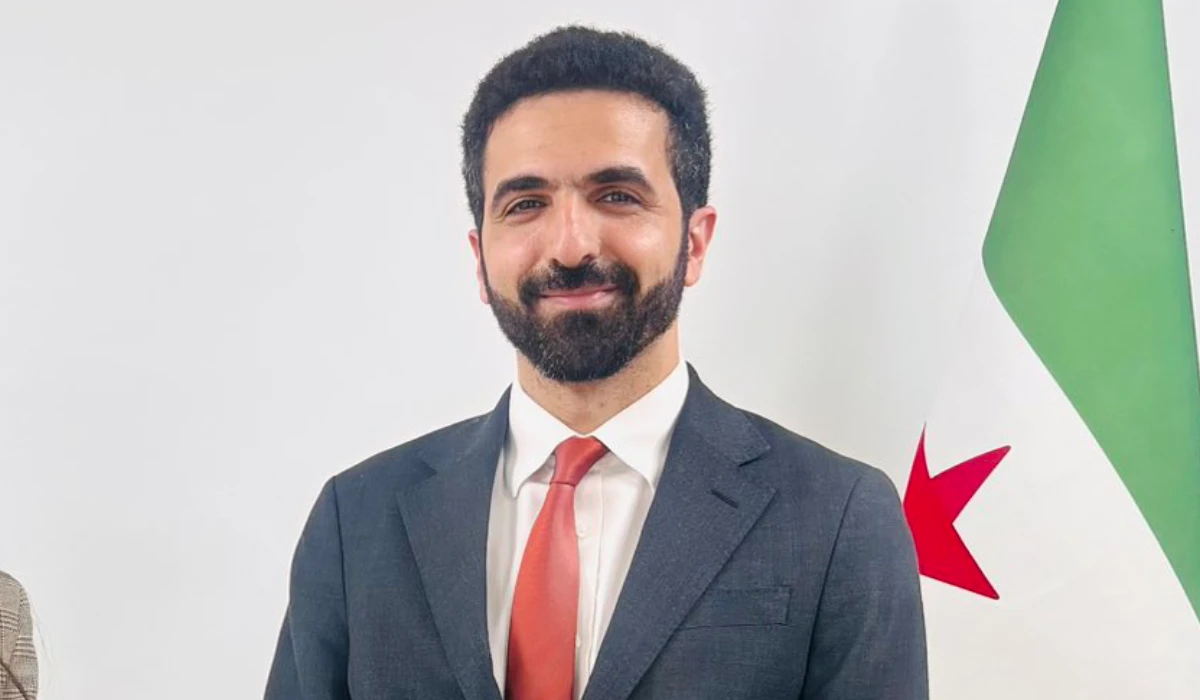
NEW YORK: Syria’s Permanent Representative to the UN, Ibrahim Olabi, outlined government initiatives to build a free, responsible media sector committed to truth and press freedom.
He was speaking at a meeting of the Fourth Committee of the UN General Assembly on Agenda Item 51, titled “Questions relating to Information.” Olabi highlighted ongoing media reforms, including introducing a professional and ethical code of conduct and restructuring state media.
He condemned ongoing Israeli attacks on Syrian journalists in southern Syria, as well as restrictions and attempts to hinder accurate reporting. Olabi stated that biased media coverage by the deposed regime, characterized by misinformation and concealment of the true causes of the 2011 protests, was a key factor in their outbreak.
He said this fueled public resentment and increased citizens’ anger toward efforts to suppress the truth.
He added that the deaths of over 700 journalists and media workers during the Syrian revolution, as they sought to report the truth, should serve as the foundation for a media environment that reflects the aspirations of the Syrian people.
He said that the new Syria, following liberation, is working to establish a media sector grounded in press freedom and to overcome the legacy of the deposed regime, including falsehoods, administrative inefficiency, and weaknesses in various areas.
Olabi affirmed that the new Syria views the media’s role as conveying facts, presenting events accurately, addressing issues objectively and independently, and proposing solutions rather than merely highlighting problems.
The Syrian representative explained that earlier this year, the Ministry of Information launched a professional and ethical code of conduct for Syria’s media sector, comprising approximately 100 pages.
A specialized, independent national technical committee prepared the document as a foundational step toward establishing a free national media sector.
He noted that the code, reflecting a commitment to freedom, is not a substitute for law or a rigid set of rules. Instead, it provides a framework for self-regulation, with media institutions leading the adoption of its principles and standards.
Olabi also noted that Syria achieved the largest improvement in the 2026 World Press Freedom Index by Reporters Without Borders, rising 36 places to 141st from 177th place.
He explained that this progress followed years when Syria ranked among the bottom ten countries under the former regime.
The improvement spanned all five index indicators, with notable gains in the legal category. Syria is now half a point away from moving into the orange category.