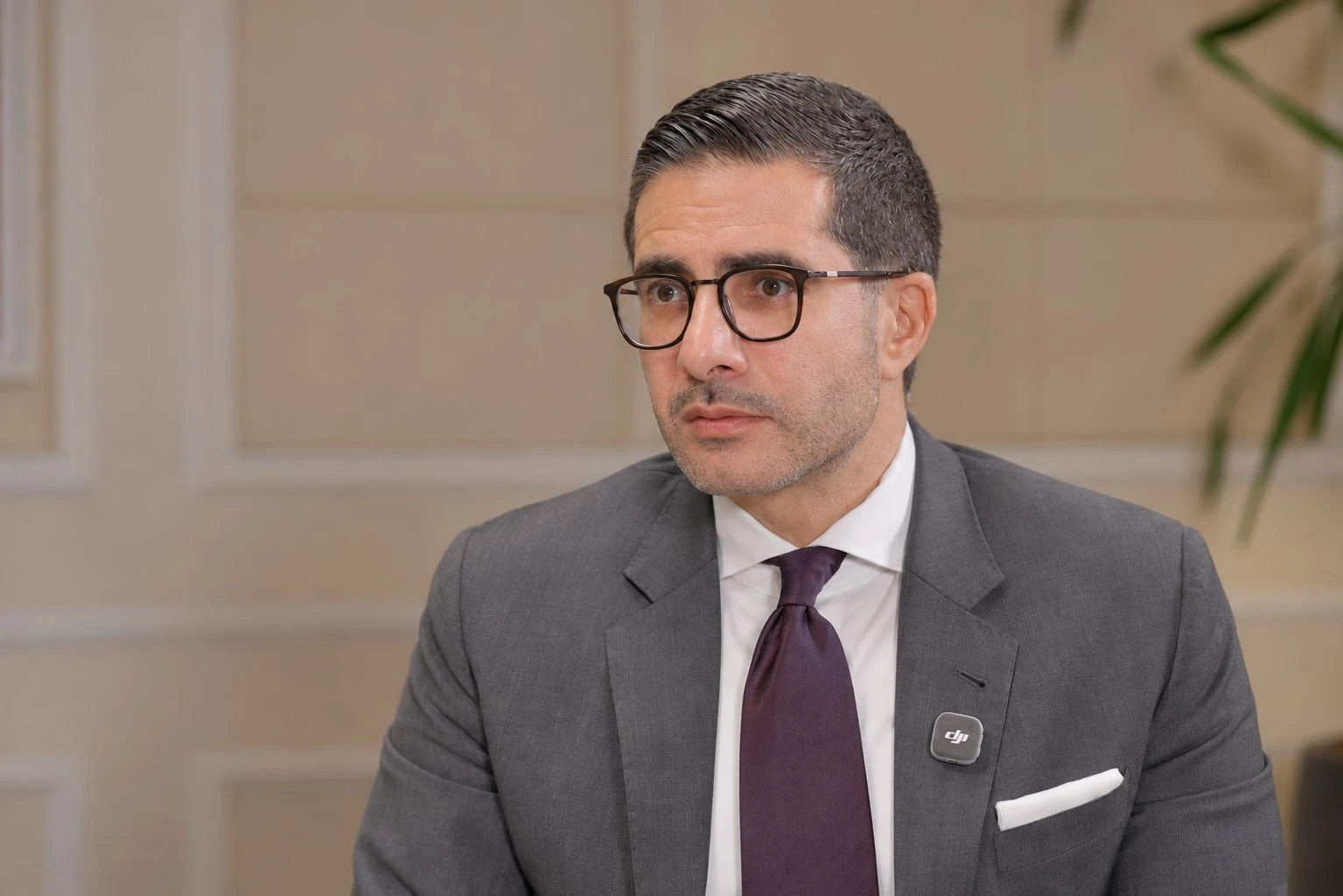
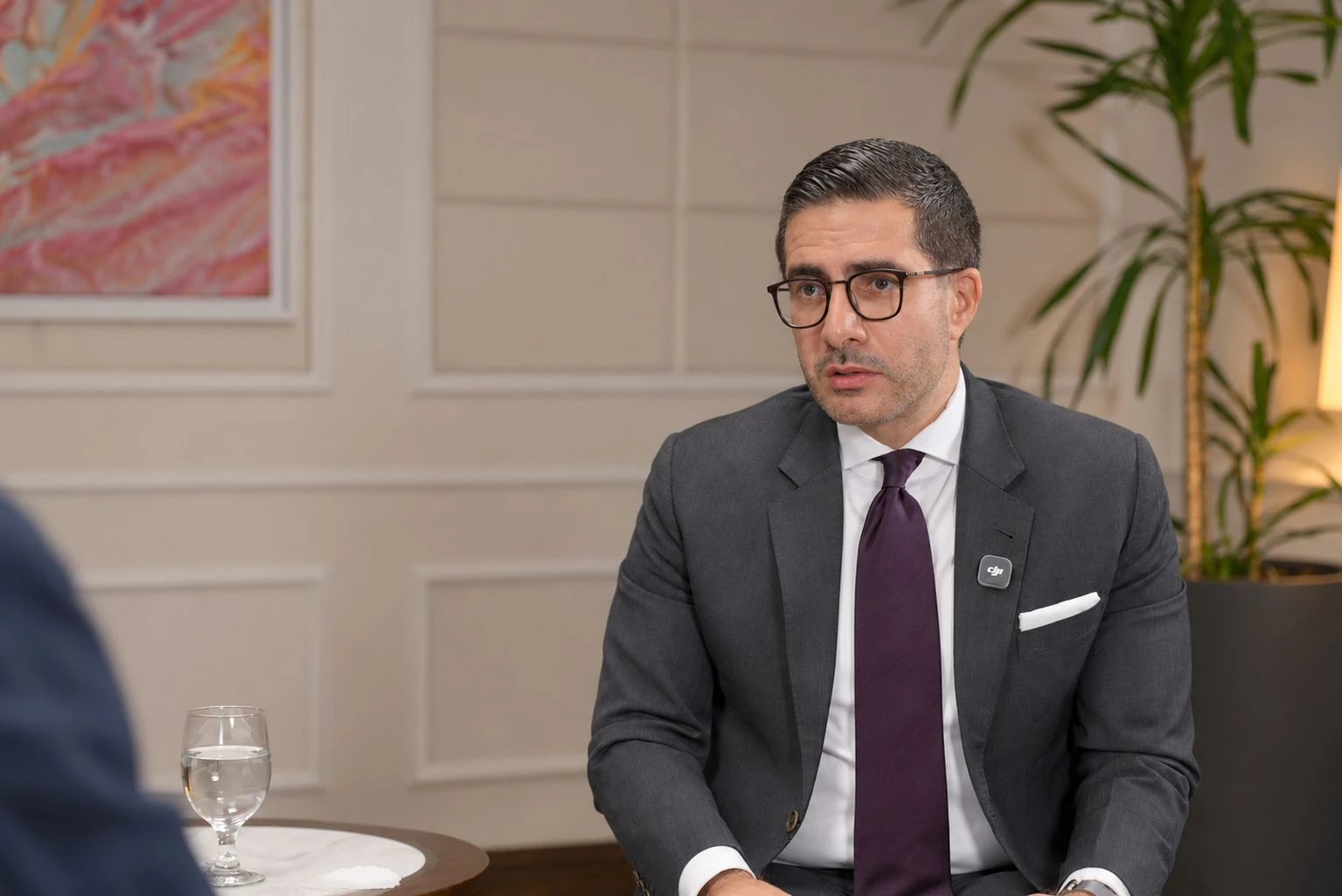
- EU Ambassador Patrick Simonnet condemns Houthi attacks on Saudi Arabia but says terrorist designation requires unanimous agreement
- Brussels remains a major humanitarian donor, yet questions persist over naval deployments, sanctions and access to besieged Taiz
AMMAN: Europe has provided Yemen with more than 1 billion euros in assistance since 2015, including 110 million euros this year alone. Yet despite that support, the country has slid back into full-scale war, raising questions about the limits of European influence and its willingness to take tougher action.
The European Union insists it stands by Yemen. But on some of the decisions that matter most — designating the Houthis as a terrorist organization, deploying additional warships to the Red Sea and sanctioning companies supplying the militia — the EU’s 27 member states have yet to reach a common position.
For Patrick Simonnet, the EU’s ambassador to Yemen, the challenge is both humanitarian and diplomatic: How can Europe help a country whose conflict is escalating on multiple fronts, while its own ability to respond remains constrained by political divisions?
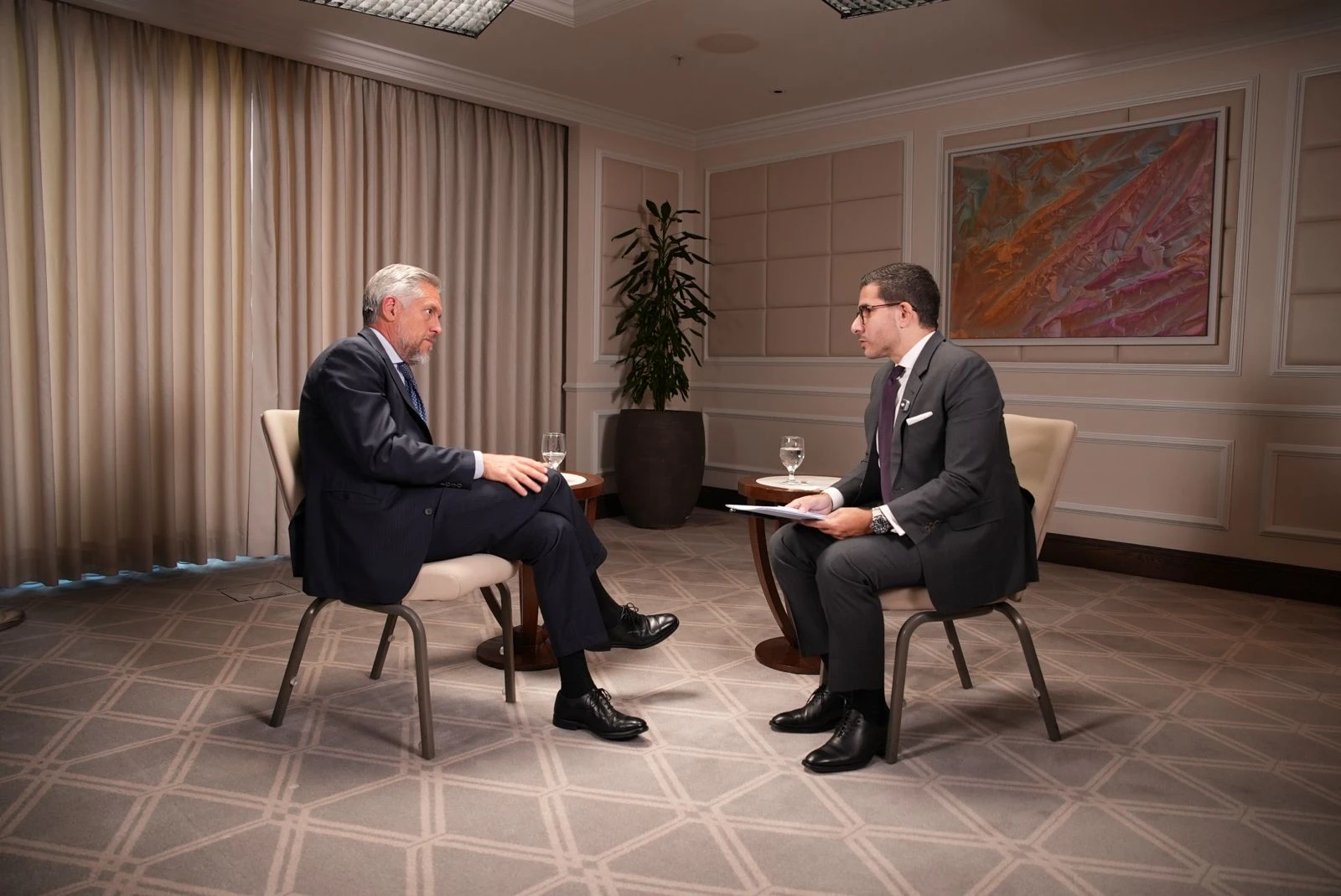
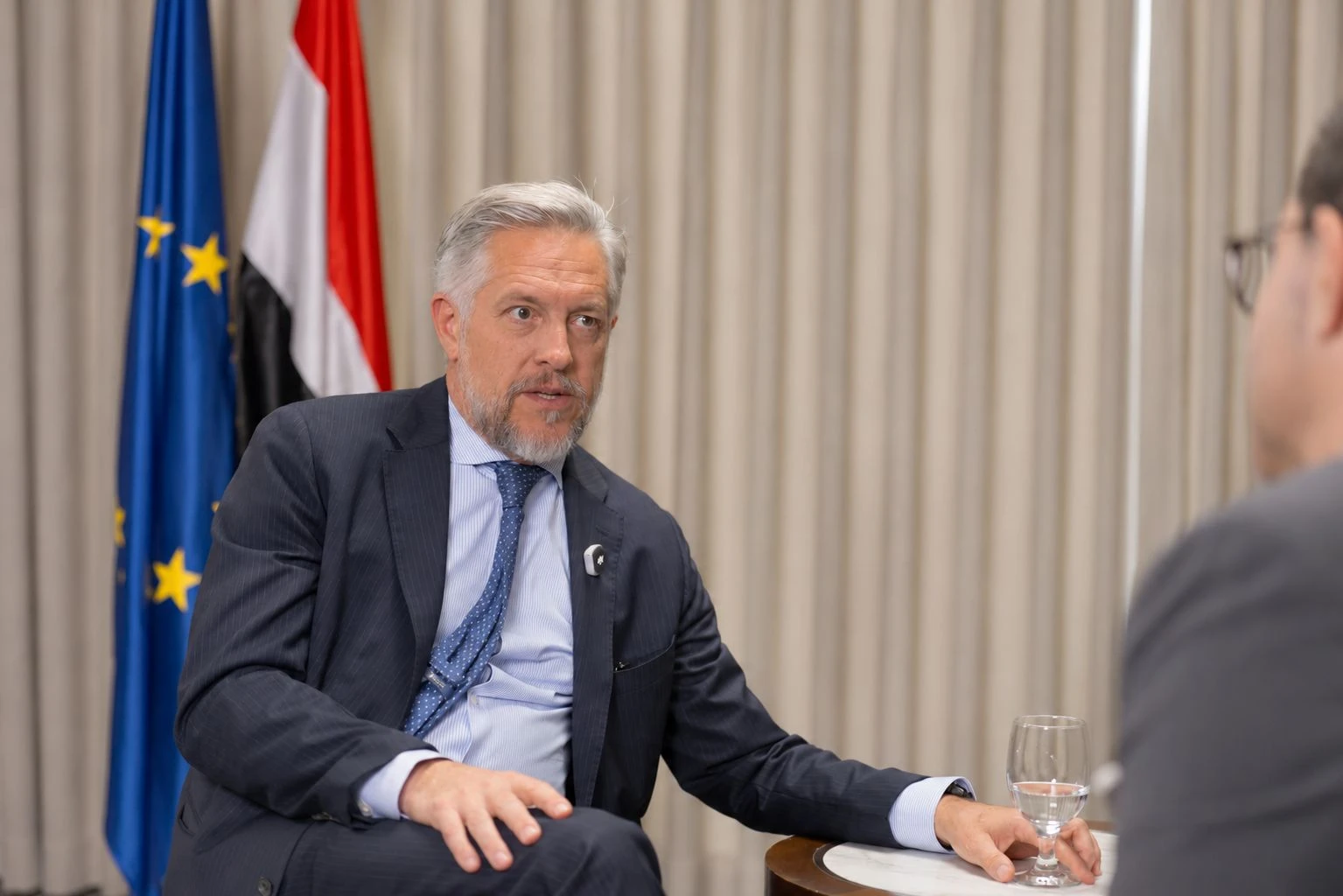
Speaking with Editor-in-Chief and host of the “Arab Views” podcast Faisal J. Abbas in Amman, Simonnet acknowledged the gravity of the crisis, defended Europe’s record of assistance and addressed questions about whether Brussels is doing enough.
“The situation in Yemen is taking a very dangerous turn,” he said.
“You mentioned renewed conflict in the country, with a humanitarian situation in Taiz which is appalling, I must say, daily cross-border attacks into the Kingdom of Saudi Arabia, and attacks and remaining tensions in the Red Sea. So you have a resurfacing of the conflict on three fronts.”
Yemen’s renewed fighting has displaced more than a quarter of a million people since the summer. Houthi missiles have struck Riyadh, shipping in the Red Sea is again under threat, and the long-besieged city of Taiz faces a worsening humanitarian emergency.
Simonnet, who took up his post a year ago, previously served as ambassador in Riyadh. Before that, he was posted to Baghdad during the fight against Daesh. In March, he became the first ambassador in more than a decade to visit Taiz.
The city, divided by conflict for roughly a decade, is now facing even greater isolation after the Houthis closed access roads. According to the UN, more than 800,000 people have been cut off from food and humanitarian assistance.
“Our role is to call on the Houthi forces to allow free passage for supplies and to lift the siege,” Simonnet said. “On our side, as the EU, we have mobilized more funding, but there is a limit to what you can do with additional funding if you cannot get the food and the supplies into the city.”
The ambassador’s visit also gave him a personal connection to residents whose circumstances have since become increasingly difficult to establish.
“Most of the contacts we had in the city are unaccounted for. So it is very difficult to find sources to corroborate facts and elements … but there are some very courageous people in this city. I was impressed by their resilience.”
Asked whether he and his colleagues remained in contact with those residents, and how they were coping, Simonnet offered a bleak assessment.
“I am sure they are not doing well,” Simonnet said. “I am sure their situation is terrible. The little we know is that we need to have quick, free, unhindered humanitarian access to the city.”
Europe remains one of Yemen’s principal international donors, although Simonnet argued that its contribution should not be measured solely in emergency food deliveries or financial assistance.
“Right now the EU, including all its 27 member states, is the second biggest provider of development and humanitarian assistance to Yemen, after the Kingdom of Saudi Arabia.”
He added: “You cannot deal with the issues just by providing cash or food. You need to provide people with jobs and opportunities.”
The situation in Taiz has also raised concerns about the weapons being used against civilians.
Days before the interview, local authorities reported that Houthi shelling had left residents unconscious and struggling to breathe. They called on the UN and the international chemical weapons watchdog to investigate the possibility that prohibited substances had been used.
The allegations have not been independently verified.
“We don’t have any particular information,” Simonnet said. “We heard the reports, like you. I think the reports are being investigated by the Yemeni government itself, which has commissioned an investigation, and we are going to look at that very seriously.”
Beyond Yemen’s borders, renewed Houthi attacks on Saudi Arabia have intensified scrutiny of Europe’s response to the militia.
The European Parliament has voted in favor of adding the Houthis to the EU’s list of terrorist organizations. However, the decision rests with the governments of the 27 member states, which must agree unanimously.
Yemen’s foreign minister, Dr. Afrah Al-Zouba, recently described the Houthis as more dangerous than Daesh and Al-Qaeda. Asked whether he shared that assessment, Simonnet focused instead on the militia’s attacks against Saudi civilians and infrastructure.
“We have been appalled by the attacks on Saudi civilians, civilian infrastructure and airports, and we have condemned those attacks, which are a clear violation of international humanitarian law,” he said.
“I would say personally that those attacks, in my view, were intended to sow fear among Saudi citizens. That is really unacceptable.”
But condemnation has not yet translated into an EU-wide terrorist designation.
“In our system, decisions of that sort need to be taken by unanimity of the member states. So the short answer is that it will be up to the 27 ministers in the Council to discuss and decide.”
Abbas pressed the ambassador on whether this was simply a bureaucratic obstacle or reflected a deeper reluctance among some European governments to regard attacks such as the strike on Riyadh's civilian airport as acts of terrorism.
For Saudi listeners whose relatives may have been injured or killed in such attacks, he suggested, the distinction was far from academic.
“I don’t know what goes on in their minds,” Simonnet said. “I can only repeat that the topic is there … I cannot express my personal opinion. I represent the EU when it comes to policy on Yemen.”
The exchange highlighted a broader question about Europe’s diplomatic leverage over the Houthis, particularly given its policy of maintaining dialogue with regional actors.
“We as the EU are playing our diplomatic part as well. We are talking to all the regional actors,” Simonnet said.
Asked specifically whether those discussions included the Houthis, and whether the militia was listening to Europe’s concerns, he replied: “There are many discussions happening right now … The position of the EU is clear. Whether they want to listen or not, that is another thing.”
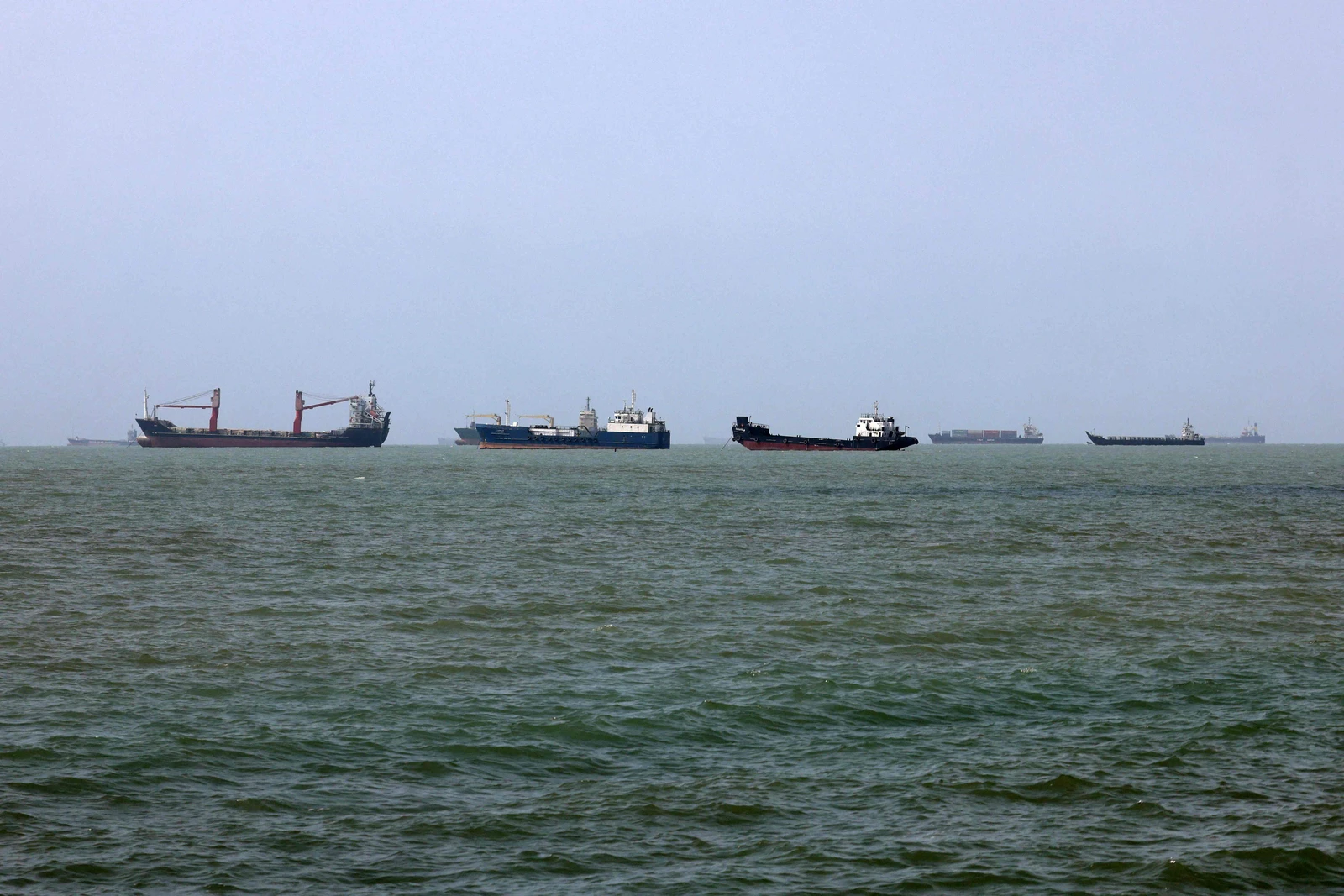
The Red Sea presents another test of European resolve, not least because of the waterway’s importance to the bloc’s own economy.
The EU’s naval mission, Operation Aspides, has escorted commercial vessels through the region since 2024. Yet the bloc’s foreign policy chief has said that more than 10 warships are needed to protect shipping adequately, compared with approximately six currently available.
Asked which European countries were refusing to contribute additional vessels, Simonnet did not identify individual governments.
“A fifth of EU trade goes through the Red Sea. That tells you how important it is,” Simonnet said.
The military threat is also becoming more sophisticated.
Investigators say the Houthis are increasingly assembling missiles and drones inside Yemen using components purchased from Chinese companies, raising questions about whether Europe is prepared to sanction suppliers supporting the militia’s weapons production.
The EU has already imposed sanctions on Chinese companies accused of assisting Russia’s war effort. Abbas asked whether similar measures could follow if Chinese firms were proven to be supplying the Houthis.
“I cannot speak for all of our member states, and questions related to sanctions are taken by unanimity,” Simonnet said.
“We are concerned by those reports. There was also a reference to dual-use elements in the UN Panel of Experts report.”
Asked whether the EU was raising the issue directly with Beijing, Simonnet acknowledged that he could not confirm whether those specific discussions were taking place.
“We have extensive discussions with China. I need to check whether we are discussing that particular issue, but I know it is discussed in the UN Security Council.”
Beyond the questions of sanctions, terrorist designations and maritime security lies another concern: Whether the international community has become so preoccupied with Yemen’s military and strategic importance that it is overlooking the suffering of ordinary Yemenis.
Simonnet himself has warned that the world tends to see Yemen through the prism of missiles and shipping lanes rather than its people. Asked whether Europe was guilty of the same tendency, he acknowledged the danger.
“It is a fair question. I think we were taken by the acceleration of events … We should not forget what Yemen is: a country of, we don’t know exactly, but maybe close to 40 million inhabitants. It is a country with great potential, with great, resilient people.”
Among those suffering are dozens of UN personnel, humanitarian workers and other civilians held by the Houthis.
The day before the interview, news emerged that Muhammad Al-Shami, an employee of the UN human rights office, had died in detention.
“I think we all feel devastated,” Simonnet said. “There are dozens of humanitarian workers, from the UN but also from diplomatic missions and local organizations, who are held in arbitrary detention, often in very difficult conditions.”
He added: “We learned of the passing of Mohammed Al-Shami … This situation needs to stop. We have supported the UN’s call for the release of those people.”
Abbas challenged the ambassador on whether Brussels might have responded differently had Al-Shami been a European citizen, rather than a Yemeni aid worker.
“I don’t want to answer this question, because for us a life is a life,” Simonnet said.
“I am taking this opportunity again to call on the Houthi de facto authorities to make a gesture and release all those in detention.”
Throughout the interview, Simonnet emphasized Europe’s humanitarian commitments and diplomatic engagement, while repeatedly pointing to the institutional limits on decisions involving sanctions and terrorist designations.
The question of whether Europe was standing by Yemen or standing back therefore remained unresolved.
Asked how he would judge Europe’s performance a year from now, and what failure might look like, Simonnet instead outlined the situation he hoped would emerge.
“In a year or so, a situation which is de-escalated,” he said. “I am not talking about developments on the ground and who is where; that is for the Yemenis to decide. But some level of de-escalation, because the people of the country are suffering a lot.”
Despite the deteriorating security situation, he also pledged to return to Yemen, having already made his landmark visit to Taiz earlier this year.
Asked whether another visit would be possible in the coming months, he was unequivocal.
“I will, definitely,” he said. “Nothing will prevent me from going back and expressing our support to the people of Yemen and the government of Yemen.”
For now, the contrast between Europe’s humanitarian commitments and the political decisions still awaiting agreement in Brussels remains stark.
In Taiz, more than 800,000 people remain cut off from vital supplies. Across the border, Saudi civilians face renewed missile attacks. In the Red Sea, commercial shipping continues to confront a serious security threat.
Europe has committed substantial resources to Yemen and says it will remain engaged. Whether that commitment can translate into stronger diplomatic, political and security measures is a question that the bloc’s governments have yet to answer.
Watch full episode here.