- Currently, Pakistan ranks at 136 out of 190 countries for ease of doing business
- Pakistan needs sector-wise policies and reduction in cost of doing business to attract foreign investment: stakeholders
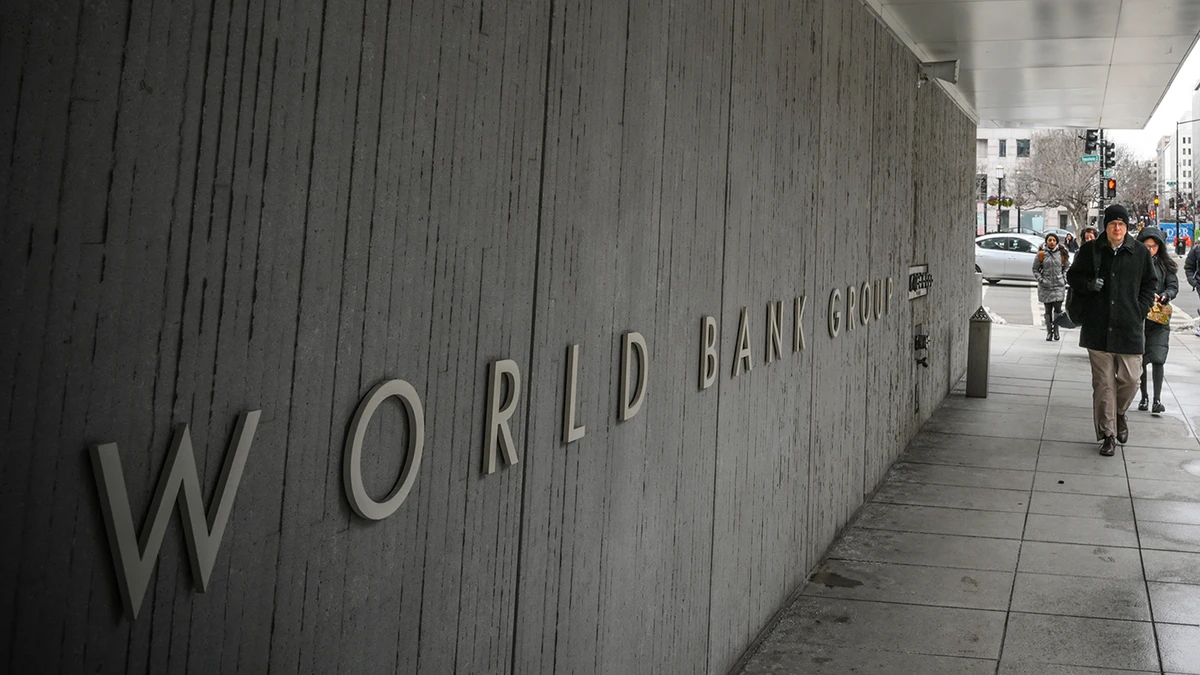
KARACHI: With the World Bank’s listing of Pakistan on Friday as one of the world’s top 20 improvers in Ease of Doing Business for 2020, Pakistan hopes its global standing will improve from its current ranking of 136 out of 190 countries for business-friendliness, officials told Arab News on Saturday.
According to the World Bank, Pakistan has improved in six areas measured by ‘Doing Business’, which include starting a business, dealing with construction permits, getting electricity, registering property, paying taxes and trading across borders, to reflect the country’s development of an ambitious reform strategy. The World Bank will launch its ‘Doing Business 2020 report’ on Oct. 24.
“Now you can start company within a day and get required permission within two to three days, depending upon the nature of sector, as against previous practice of over 40 days. We expect the ranking would improve to around 116 from 136,” Abdul Azeem Uqaili, CEO of Sindh government’s Economic Zones Management company, told Arab News on Saturday.
Pakistan’s southeastern province of Sindh, which lagged behind eastern Punjab province in ease of doing business, has made substantive reforms to improve the ranking, he said, including reforms in listing property with automation and for construction permits.
“We have made a portal for starting business that enables new investors to get approval immediately. We have reduced number of transactions and cost of doing business in Sindh that would also help us improve our ranking,” Uqaili said.
However, to attract foreign investors, concerned stakeholders say an improvement in the ranking is not enough, even though it enhances international image, because the country needs sector-wise policies for investment that cut down the cost of doing business.
“The down side of this ranking is that it eases the process of existing companies (but) for new big investors, you will have to make incentive policies separately. For example, if you want investment in tourism, what incentive are you giving for hotels...until you do it, the ranking will not translate into foreign direct investment,” Haroon Sharif, former chairman of Pakistan’s Board of Investment told Arab News.
Still, Sharif said, Pakistan’s change in the World Bank ranking would achieve a historical millstone.
“I expect that Pakistan’s ranking which has never increased in history would increase by more than 25 points,” he said, and urged the government to continue with sustained reforms, particularly at the provincial level.
Members of Pakistan’s business community, those who have been facing the brunt of regulatory issues for getting approval, have expressed their satisfaction at the ranking improvement but stress the need for reducing the cost of doing business.
“Ease of doing business and cost of doing business are two parameters for local and foreign investors to make decisions. To make Pakistan a number one choice for investors, the government needs to cut down the cost of business that is too high due to interest rate hikes and other input costs,” Dr. Mirza Ikhtiar Baig, Senior Vice president of the Federation of Pakistan Chambers of Commerce and Industry, told Arab News.
On a statement posted on the World Bank website, the organization said the top 20 improvers list did not fully reflect an economy’s attractiveness for businesses, and was “purely based on the improvements across 10 different regulatory areas.”
But the World Bank’s Country Director for Pakistan, Illango Patchamuthu, lauded the work of the central and provincial governments in the country for their “impressive feat.”
“With 6 reforms, #Pakistan emerges among top 20 reformers globally in Ease of Doing Business. Rankings will be released on Oct 24. We laud the COLLECTIVE action of Federal, #Sindh & #Punjab Govts for an impressive feat,” he said in a Twitter post.
“In addition to improvements in property registration, obtaining a construction permit became easier after the Sindh Building and Control Authority and the Lahore Development Authority streamlined approval workflows and improved the operational efficiency of their one-stop shops,” the World Bank further said.
“The launching of online portals for new commercial connections made getting electricity easier, and tariff changes are announced in advance,” it added.
Last year, Pakistan’s ranking improved by 11 notches to 136 under Prime Minister Imran Khan’s directives to improve the country’s ranking to a slot below 100.