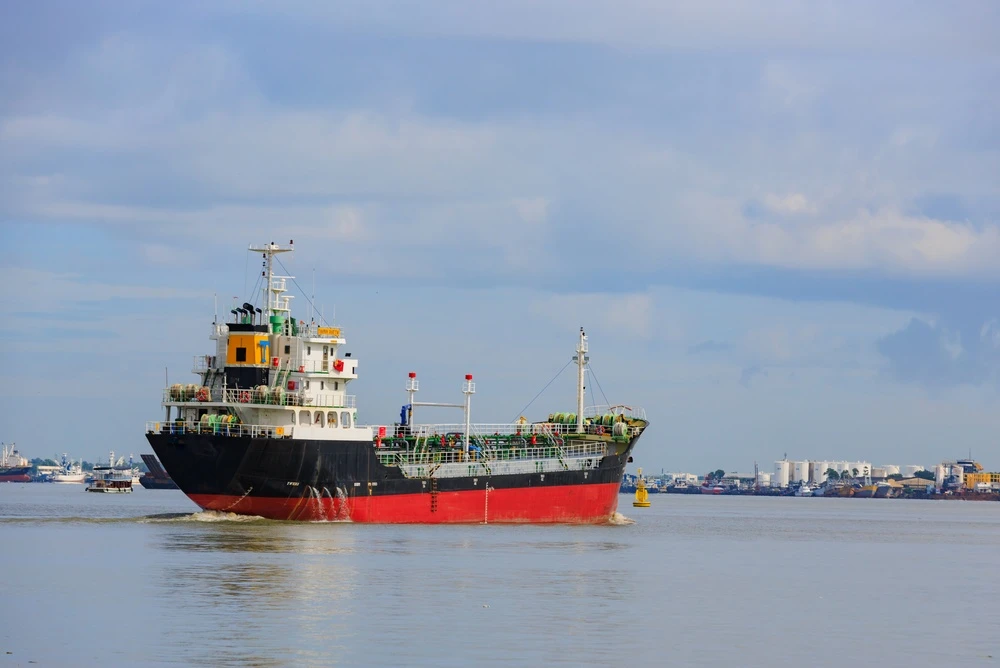
- UNCTAD forecasts zero growth in global maritime trade for 2026 due to shipping disruptions and trade uncertainty.
- Seaborne trade grew by 1.9% in 2025, reaching 12.3 billion tonnes; a 3.2% recovery is expected in 2027.
RIYADH: Global maritime trade is set to stagnate in 2026, with zero growth projected amid shipping disruptions and trade uncertainty, UN Trade and Development said.
Seaborne trade reached 12.3 billion tonnes in 2025, up 1.9 percent after 3.9 percent in 2024, according to the Review of Maritime Transport 2026. UNCTAD projects a 3.2 percent recovery in 2027, while tonne-miles are expected to rise 1.5 percent on longer voyages.
Conflict in the Middle East since late February has severely curtailed traffic through the Strait of Hormuz. Before the disruption, around 120 ships crossed daily, and by early March traffic by gross tonnage had fallen roughly 95 percent. More than 20,000 seafarers were initially stranded in the Gulf.
In March, a UNCTAD rapid analysis found daily ship transits through the strait fell 97 percent, from 129 to four, while crude oil and liquefied natural gas prices rose 27 percent and 74 percent between Feb. 27 and March 9.
Red Sea instability keeps many vessels on the longer route around the Cape of Good Hope, while Black Sea grain shipments face security risks.
“Resilience by design and sustainability by default set the standard: maritime transport that keeps essential goods moving to every port, from the busiest hub to the most remote island,” said UNCTAD Acting Secretary-General Pedro Manuel Moreno.
Costs hit vulnerable economies
Container spot rates more than doubled between January and August, and crude tanker rates hit record highs on some routes.
A sustained 70 to 80 percent rise in maritime fuel costs would lift consumer prices 0.19 percent globally, 0.27 percent in small island developing states and 0.35 percent in least developed countries, the report estimated.
Fleet and ports under pressure
Fleet capacity grew 3.5 percent in 2025, outpacing trade growth, yet 42 percent of vessels are more than 20 years old.
Ports face rising congestion while needing investment in digital systems, cybersecurity and climate-resilient infrastructure.
UNCTAD urged governments and industry to plan alternative routes before disruptions occur, support cleaner fleets through predictable rules and affordable finance, and protect freedom of navigation and seafarers.