JEDDAH: Syria’s water infrastructure is set to receive a boost under a new agreement involving Saudi utility developer Acwa, marking the latest step in Saudi Arabia’s expanding role in rebuilding the country.
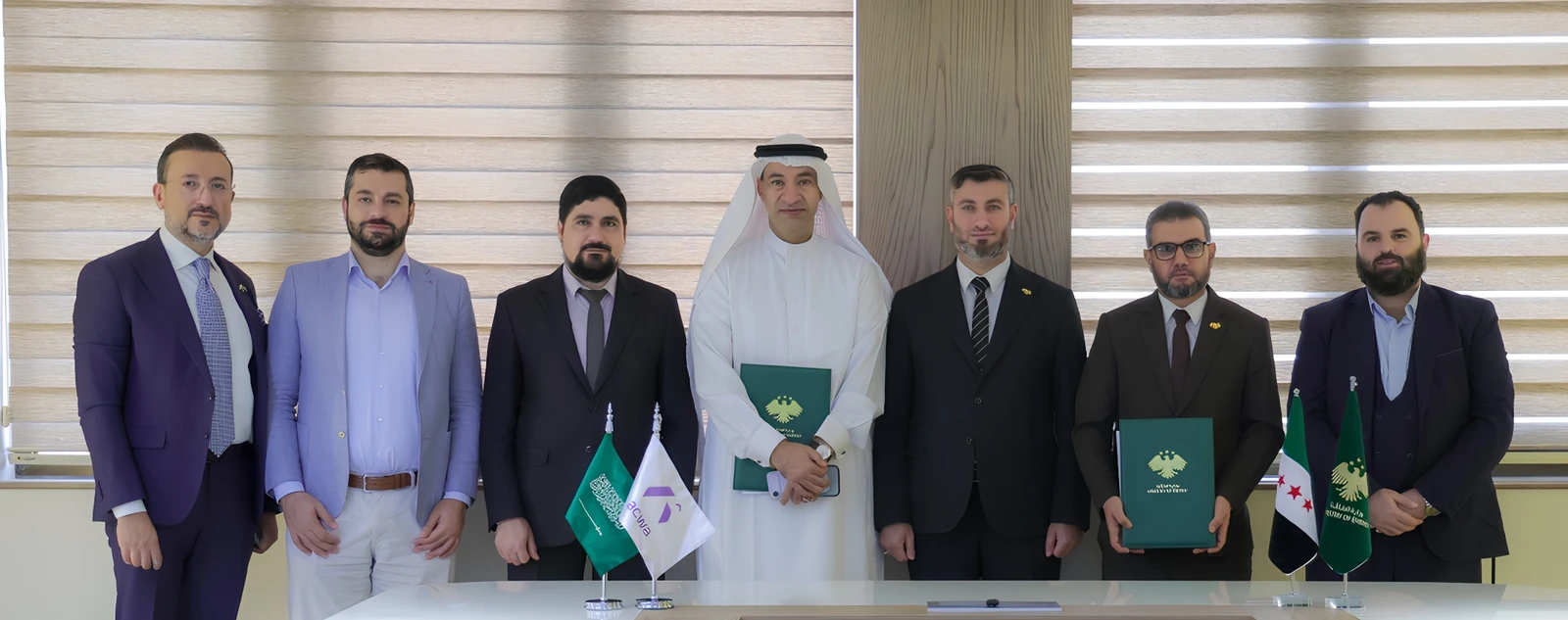
Acwa and the Water Transmission Co., or WTCO, have signed a technical services agreement with Syria’s Energy Ministry and German engineering consultancy Fichtner to assess the country’s water resources and identify desalination and transmission projects needed to strengthen long-term water security, according to a press release.
The deal builds on a Joint Development Agreement signed in February, which launched preliminary studies into water demand, available resources and potential desalination and transmission solutions.
The studies could support seawater desalination projects with a combined capacity of up to approximately 1.2 million cubic meters a day.
The agreement is part of a broader Saudi economic push in Syria following the fall of the former regime, as the Kingdom and its companies deepen their involvement in rebuilding the country after years of conflict.
In February, the two countries announced 80 agreements and memorandums of understanding worth more than SR40 billion ($10.67 billion), covering sectors including aviation, telecommunications, infrastructure and energy.
Commenting on the latest deal, Mohamed Fata Nahhas, CEO Syria, Acwa, said: “We now look forward to beginning the detailed technical work needed to define the solutions required to meet the challenges and objectives laid out in the JDA, which will provide the Ministry of Energy with a clear, evidence-based view of available resources, future demand and the priority projects needed to support a sustainable water system.”
Water infrastructure needs
The agreement comes as Syria seeks investment to rebuild infrastructure damaged during more than a decade of conflict. The country’s water sector has also faced mounting pressure from underinvestment and climate-related stresses.
More than half of the country’s water treatment plants and sewerage systems have been damaged or are no longer functioning, while water supply has fallen 40 percent from pre-war levels, according to a March report by the World Bank.
More than half the population, or about 14 million people, also lack adequate access to essential water, sanitation and hygiene services, underscoring the need for investment to restore infrastructure and expand reliable water supplies.
The latest work is being carried out in close coordination with the relevant Syrian authorities and will produce a roadmap for a sustainable water system, ranking options by impact, deliverability and speed to market.
Saudi investment expands
The Acwa agreement adds to a growing pipeline of Saudi investments and commercial partnerships in Syria.
The February agreements included a deal between Syria’s Civil Aviation Authority and a Saudi investment consortium led by BinDawood Investment Group to develop a new Aleppo International Airport and improve the existing facility during the development phase.
A separate Saudi investment package included SR7.5 billion to develop two airports in Aleppo in several phases.
Other agreements included more than SR3 billion in telecommunications investment by Saudi Telecom Co. and a partnership between the Syrian Sovereign Fund and Riyadh Cables Group to operate and develop the Modern Syrian Cables Co.
In late August, Syrian and Saudi business representatives also agreed to work toward establishing a joint bank and developing regulated banking channels to facilitate investment-related transfers between the two countries.
Acwa’s water portfolio
Desalination is a core part of Acwa’s water business. Its Taweelah project in the UAE produces more than 909,000 cubic meters a day, while Rabigh 3, Rabigh 4, Shuaibah 3 and Jazlah in Saudi Arabia each have a capacity of 600,000 cubic meters a day.
Overall, Acwa manages 9.7 million cubic meters a day of desalinated water across 24 assets in seven countries, supplying state utilities under long-term bulk water contracts.
The Syria studies could help determine the scale, location and priority of future desalination and water-transmission projects in the country.
Saudi Arabia’s Acwa signs water deal to support Syria’s rebuilding