- Macroeconomic stability, higher reserves give country greater capacity to withstand energy-price surge
- Oil prices climbed after US-Iran exchanges in Gulf renewed concerns over regional supply disruptions
ISLAMABAD: Pakistan is better positioned to absorb the economic shock from the ongoing Middle East conflict than it was during the 2022 oil price surge, an analyst working with a global credit rating agency told Pakistani state media on Tuesday, as the country has stronger external buffers to withstand higher energy costs.
The 2022 oil crisis was a major surge in global crude oil prices and energy costs triggered by Russia’s invasion of Ukraine in February 2022. It was one of the most significant energy-market shocks since the 1970s, before the current Middle East conflict erupted in February this year following US and Israeli attacks on Iran.
Speaking to Pakistani state media, Moody’s analyst Grace Lim said Pakistan had strengthened its macroeconomic stability over the past two years by containing inflation, stabilizing the exchange rate and boosting foreign exchange reserves.
“What allows, or what gives Pakistan the better absorption capacity this time around is ... the macroeconomic stability that it has built,” she said in an interview with Pakistan TV Digital.
“That gives them the buffer,” she added. “That gives them the better shock absorption capacity to meet with this Middle East conflict this time around.”
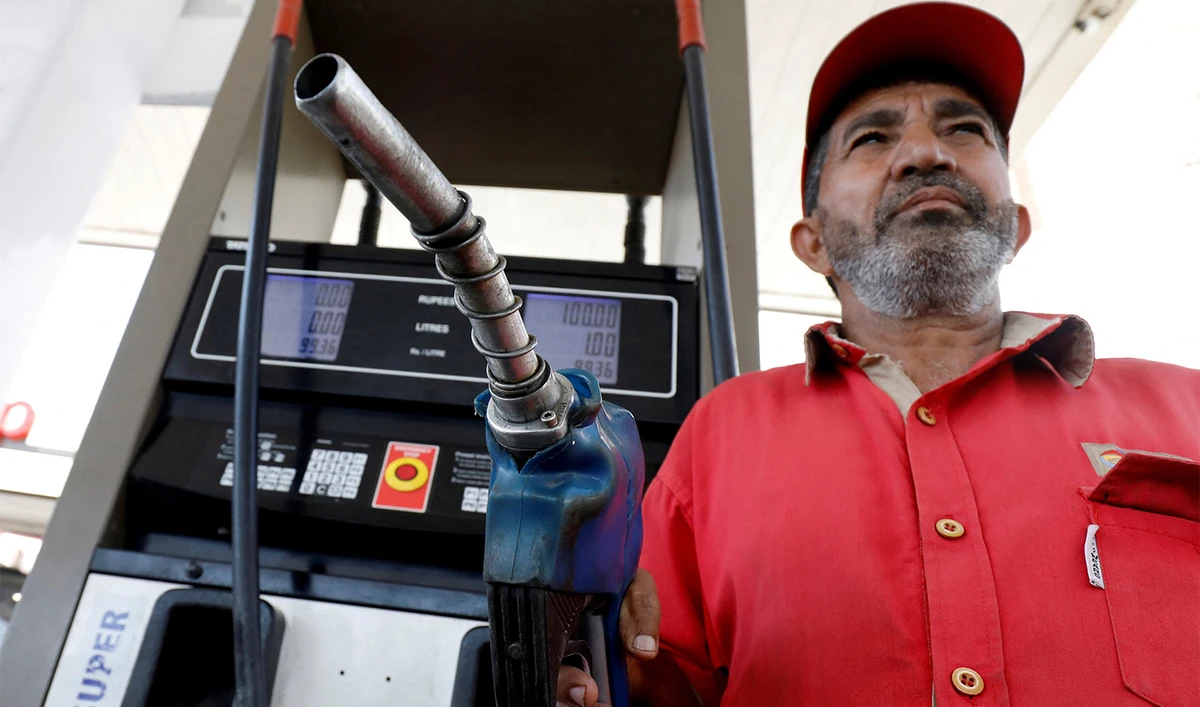
Pakistan on Monday night raised the price of petrol by Rs12.9 per liter and high-speed diesel by Rs3.72 per liter as fighting between the US and Iran over the weekend drove global oil prices higher.
Brent crude futures rose 2.06 percent to $99 a barrel on Tuesday, while US West Texas Intermediate crude gained 3.2 percent to $94.41.
Renewed attacks and mounting tensions in the Middle East have heightened concerns over supply disruptions through the Strait of Hormuz, through which about a fifth of the world’s oil supply typically transits.