- Saudi Arabia, the UAE, and Oman have utilized alternative oil export routes to navigate disruptions effectively, with Saudi Arabia’s GDP expected to grow by 7.9% in 2027.
- Bahrain faces economic contraction of 11.3% this year, requiring fiscal measures due to lower reserves compared to its Gulf peers.
RIYADH: Gulf economies have remained resilient through one of the oil sector’s biggest crises in decades, with six key economic buffers helping to limit the impact on economic activity and prices, according to an International Monetary Fund official.
In an interview with Asharq Bloomberg on the sidelines of the IMF and World Bank annual meetings in Bangkok, Jihad Azour, director of the IMF’s Middle East and Central Asia Department, said the six factors included diversified oil export routes, diversified economic activity, and strong financial reserves and liquidity.
He added that the buffers also include swift government and central bank intervention, cooperation among Gulf states, and institutional experience gained from previous economic shocks.
However, Azour warned that a prolonged crisis could increase uncertainty and deplete some of the buffers that have so far helped contain its fallout.
Export routes and economic diversification
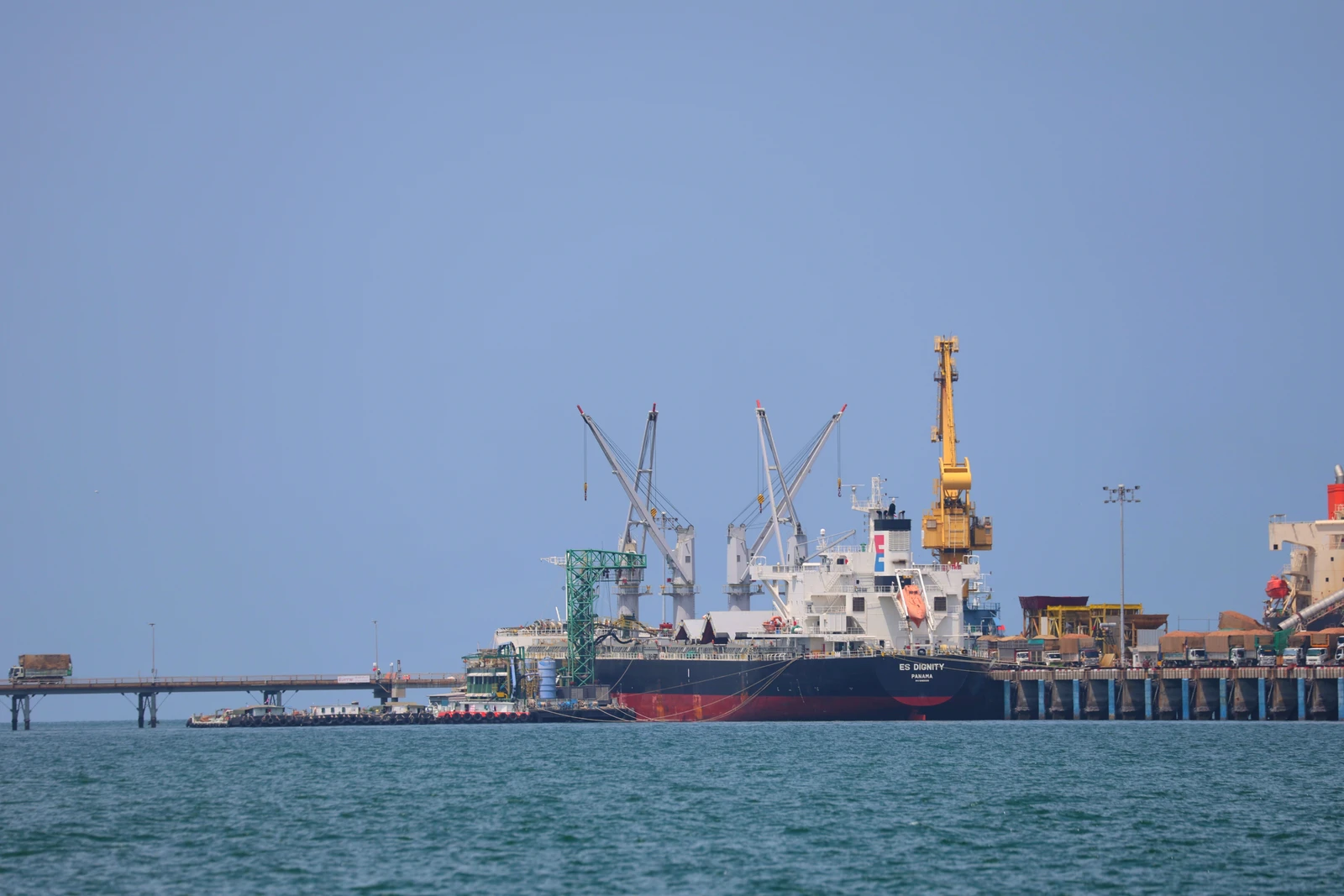
Alternative oil export routes have helped Saudi Arabia, the UAE and Oman mitigate the crisis, allowing them to redirect shipments away from corridors affected by disruptions.
Azour said diversified economic activity, particularly in Saudi Arabia and the UAE, provided additional support amid a decline in oil-sector activity.
The IMF’s projections point to varying degrees of impact across Gulf economies, with the Saudi economy forecast to contract by 3.3 percent in 2026, while the UAE is expected to shrink by 3.9 percent.
Kuwait and Qatar are projected to experience steeper contractions of 16.7 percent and 15.6 percent, respectively, while Oman’s economy is forecast to grow by 4.1 percent.
Reserves and government intervention
Financial reserves and liquidity have helped Gulf economies absorb declining oil revenues, Azour said, noting that Qatar and Kuwait have sufficient financial capacity to adapt despite facing greater disruptions to their oil exports.
He also highlighted Qatar’s efforts to accelerate repairs to damaged facilities, reducing the time required to restore full production capacity.
Swift action by governments and central banks, including providing liquidity, securing critical infrastructure and maintaining economic stability, has also helped ease pressure from the crisis.
Azour said cooperation among Gulf states had provided an additional buffer by helping secure infrastructure networks and provide liquidity to countries affected by the crisis, while institutional experience from previous shocks had helped governments accelerate their response.
He further noted that the current crisis marks the fifth economic shock to hit the region in six years.
Saudi Arabia weathers war repercussions
As for the Kingdom, Azour told Bloomberg: “Saudi Arabia has demonstrated its ability to withstand shocks during the crisis,” attributing that to the country’s financial reserves and infrastructure investments, which enabled the nation to redirect oil exports in a very short time.
He added that Saudi Arabia’s fiscal buffers and alternative oil export facilities were helping limit the economic impact of the war with Iran, according to the IMF.
Despite an escalation in regional tensions this month, including attacks by Iran-backed Houthi forces on the Kingdom’s main airport, the IMF continues to view Saudi Arabia as better positioned than its Gulf peers to withstand the disruptions.
“Saudi Arabia has developed a resilience framework that has proven effective during one of the most significant shocks,” Azour said.
The IMF expects the Kingdom’s gross domestic product to grow by 7.9 percent in 2027.
Azour pointed out that Saudi ports had also benefited other GCC member states facing logistical difficulties during the crisis, describing this as an example of the regional cooperation that should be strengthened.
He continued: “There is an opportunity for the GCC to increase connectivity. We recommend accelerating integration, deepening financial markets, and developing several joint infrastructure projects.”
Bahrain and Iraq under pressure
Regarding Bahrain, Azour affirmed that it has benefited from Gulf cooperation in securing liquidity. However, he noted that its reserves are lower than those of its Gulf peers, requiring fiscal measures to gradually reduce the deficit and help rebuild reserves.
The IMF expects Bahrain’s economy to contract by 11.3 percent this year.
Iraq is among the economies most affected by the crisis because of its reliance on oil exports and limited reserves, Azour said, stressing the need for a comprehensive fiscal and economic program to stabilize the economy and ease financial pressures.
Azour’s remarks come after Iraq devalued its currency by about 15 percent in early October, with the IMF forecasting a 16 percent contraction in the country’s economy in 2026.
The IMF official reaffirmed the fund’s continued engagement with Iraqi authorities and urged them to accelerate economic reforms.
Deeper Gulf integration after the crisis
Looking ahead, Azour called for deeper Gulf financial markets and stronger links between ports, roads, and railways. He said the IMF would undertake studies examining the impact of such integration on economic growth.
“The fundamental solution is a return to stability,” he said, adding that a prolonged crisis would serve neither regional economies nor the global economy.
In separate remarks on the sidelines of the IMF meetings, Azour said: “Economic forecasts depend heavily on how quickly energy production and trade return to normal and on the ability of countries in the region to maintain macroeconomic stability.”
Azour expected a gradual return to normal energy production and trade to drive a strong rebound in GDP in 2026, although output would remain below the medium-term trajectory projected before the conflict began.
Oil-importing countriesBy contrast, economic activity in the region’s oil-importing economies showed relative resilience in 2026, and this performance is expected to continue, according to Azour.
He noted that worker remittances and tourism revenues, along with easier financial conditions and government support, helped cushion the immediate impact of the crisis.
“This resilience helped soften the shock, but the room for maneuver in economic policymaking is narrowing,” he said, predicting that inflation in these countries would rise at a moderate pace in 2026 before gradually declining thereafter.