- Abu Ghazaleh said the rise reflected growing interest from GCC investors in the kingdom
- The minister said that Jordan wanted to position itself as a link between regions
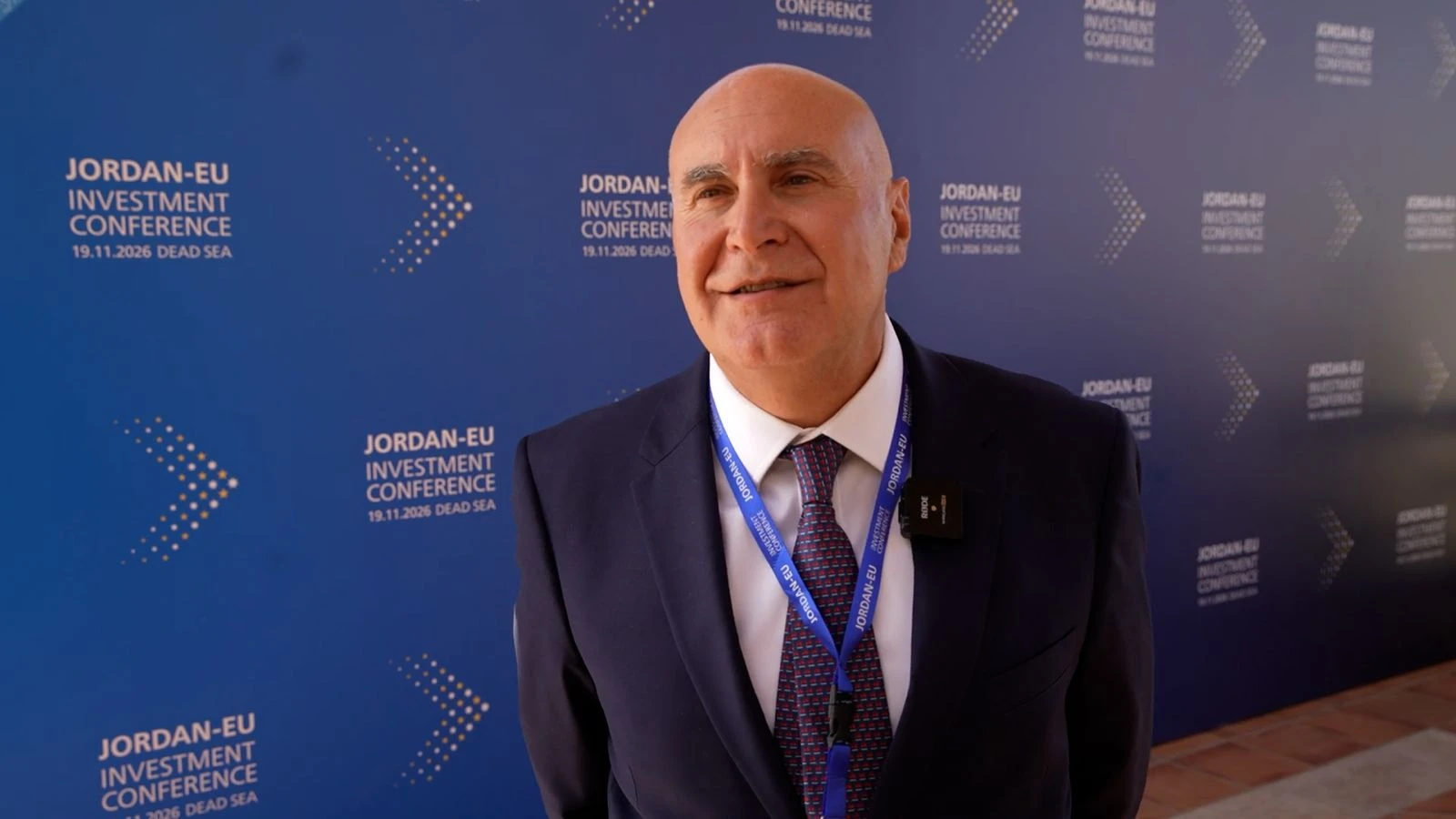
DEAD SEA: The number of companies registered in Jordan with Gulf ownership has doubled this year, its minister of investment, Tariq Abu Ghazaleh, told Arab News on the sidelines of the Jordan-EU Investment Conference.
Abu Ghazaleh said the rise reflected growing interest from GCC investors in the kingdom, and he described it as an early sign of where investment flows were heading.
“Recently, we’ve noticed a huge interest from the GCC in looking closely at Jordan. In numbers, for example, the number of companies registered this year with GCC ownership has doubled compared with last year,” he said.
“This is a very positive leading indicator.”
The minister said that Jordan wanted to position itself as a link between regions, starting with its Arab neighbors and then reaching Europe.
“Jordan is looking to be the nucleus of economic integration, first within the Arab region and then with neighboring continents like Europe,” he said. “I believe the key is to make sure capital moves easily to the right opportunity.”
He said the Gulf figures showed Jordan was playing a mediating role, “making sure capital is available for the right opportunity, one that creates sustainability and profitability, and has the potential to open other associated opportunities.”
The conference at the Dead Sea brought European officials, investors and development finance institutions together with Jordanian policymakers, with the aim of turning the partnership between Jordan and the EU into concrete projects.
Asked which sectors would draw the first European investments, Abu Ghazaleh said Jordan was open to all sectors but was focusing on infrastructure, which he described as the foundation for growth across the wider economy.
“We are open to all sectors, but mainly we are focused on providing great opportunities in infrastructure, whether in transportation or technology. These are the elements that enable other sectors to grow more and more,” he said.
He saw European interest concentrated in connectivity, railways, technology and energy, and that energy demand was being driven by costs.
“Current prices are putting burdens on businesses, so people are looking for alternatives,” he said.
Renewables, he said, offered the natural answer, especially when paired with storage that allowed businesses to rely on clean power for a larger share of their needs.
“What’s better than the natural alternative of renewables, solar especially, with storage technology like hydropower storage or battery storage, which enables businesses to accommodate a higher percentage of renewable energy,” he said.
Abu Ghazaleh’s comments point to a two-track strategy, with Jordan inviting European capital into large infrastructure and energy projects while Gulf investors are setting up companies in the kingdom at a faster pace.
The minister’s message was that Jordan does not see these flows as competing. He described the kingdom as a place where capital from different regions could meet and be directed toward projects that opened further opportunities.
With infrastructure at the center of the government’s pitch and Gulf company registrations rising, Jordan is positioning itself as a gateway between the Arab world and Europe.