JEDDAH: The number of artisans, both male and female, in the Kingdom has reached 9,240, 12 percent of whom are in the Eastern Province, according to Abdullatif Al-Banyan of the Saudi Commission for Tourism and National Heritage (SCTNH) in the Eastern Province.
During a meeting of the National Program for Handicrafts, in which 60 people from the public and private sector participated, he said 44 professions in the field were facing the possibility of dying out.
He said the aim of the meeting was to introduce the participants to the program as one of the initiatives of the national strategy for supporting the handicrafts in the cultural, social and economic sectors.
“Handicrafts and their skills represent the most beautiful aspects of heritage and creativity, as well as to how people lived and thought,” said Al-Banyan. He described handcrafts and creative arts as “a cultural legacy that contributes to improving income and living standards and providing employment opportunities.”
He said the SCTNH aims to “develop handicrafts and support productive families in marketing their products through festivals, activities and exhibitions in coordination with charities and marketing centers, as well as conducting courses by experts and specialists in the field.”
According to Al-Hareth Al-Omari, director of the Department of Training and Development at the SCTNH, charities, private, and government institutions aim to support the National Program for Handicrafts by providing training, investment and support as well as creating job opportunities in the sector.
The supervisor of the program in the Eastern Province, Abdul Majeed Al-Samael, said the SCTNH had worked in coordination with several bodies to identify craftsmen in the area, noting that craftsmen had participated in some of the most important cultural activities in the Eastern Province.


![]()
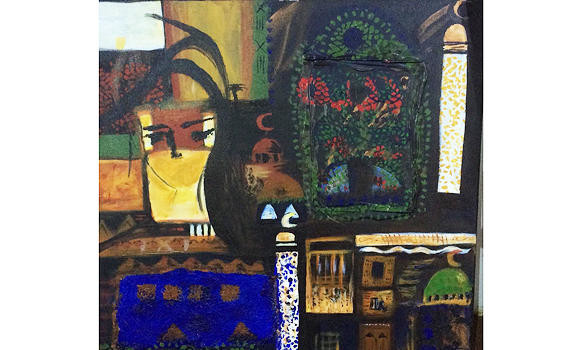
Saudi artisans prevent 44 skills from dying out
Saudi artisans prevent 44 skills from dying out
Latest updates


Recommended


© 2026 SAUDI RESEARCH & PUBLISHING COMPANY, All Rights Reserved And subject to Terms of Use Agreement.