- Navi Pillay, former ICC judge, awarded Nobel Peace Prize
- European nations, UN criticize US decision
PARIS: The United States announcement of new sanctions on the International Criminal Court (ICC), hours after the Nobel Peace Prize went to one of its former judges Navi Pillay, has provoked widespread international criticism.
US Secretary of State Marco Rubio said Washington would ban transactions with what he called a “rogue court.”
“Either the ICC will end its threats, or we will end the ICC,” he added.
European nations and the United Nations have led the opposition, while Israel has welcomed Washington’s decision.
‘Serious blow’: UN
UN chief Antonio Guterres condemned the US decision, saying he was “deeply alarmed by the expected impact” of the measures, a spokesman said.
“Today’s decision marks a serious blow to our collective pursuit of international criminal justice, of which the ICC is a key pillar,” spokesman Stephane Dujarric told reporters.
“The secretary-general reiterates his unwavering support for the independence of the court and its officials.”
UN human rights chief Volker Turk said the sanctions, “the latest in a series of retaliatory steps against the ICC and its personnel for the work they do every day to advance accountability for the very worst violations of human right - are unacceptable.”
Netanyahu support
Israeli Prime Minister Benjamin Netanyahu praised the US sanctions, a rare show of support for Washington’s action.
“The ICC is not a court,” Netanyahu’s office posted on X.
“It is a political body that poses a mortal threat to law-abiding democracies worldwide and to the very idea of national sovereignty.”
Dutch call for dialogue
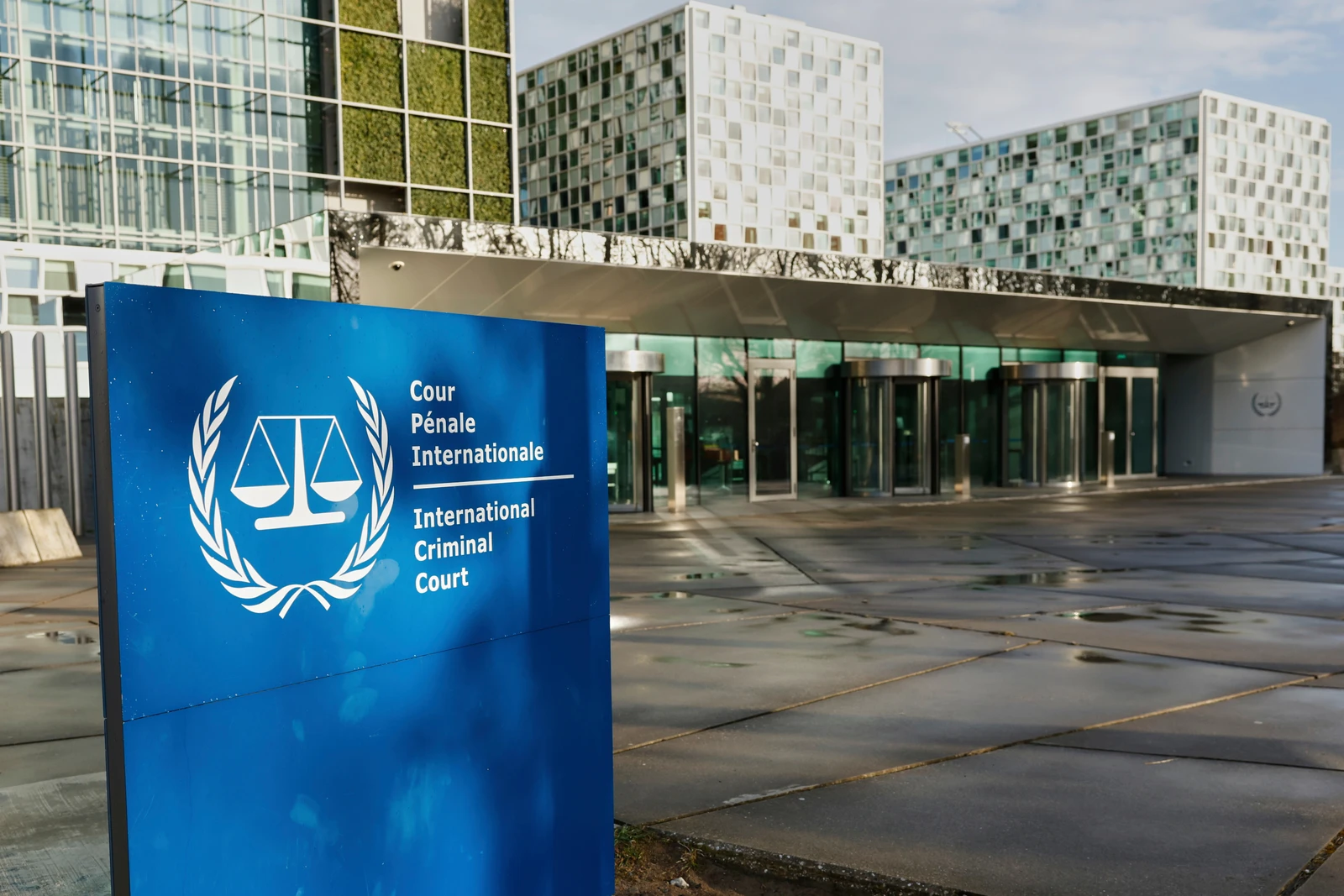
The ICC is based in The Hague and Dutch Prime Minister Rob Jetten described the sanctions as “deeply regrettable.”
“At the same time,” he added, “these sanctions will not take effect immediately, Jetten told reporters.
“And this is crucial because it provides us vital space for dialogue in the upcoming months.”
EU vows to help court
The European Union also described the US sanctions “deeply regrettable.”
“The EU will work closely with the ICC to ensure it continues to operate effectively,” the European Commission added.
It, too, called for dialogue in the six months before the sanctions start.
Key ICC members back court
Britain, Canada, Denmark, France, Germany, Italy, Japan and the Netherlands, also backed the court.
“As committed supporters of the ICC we regret and strongly disagree with the announcement of sanctions to be imposed upon the Court by the United States,” said a joint statement from the countries’ foreign ministers.
Amnesty says resist
Rights group Amnesty International called on countries to “resist.”
President Donald Trump’s “sanctions are designed to isolate and ultimately destroy the International Criminal Court,” Amnesty’s Erika Guevara Rosas said in a statement. “This existential attack must fail. States must take concrete action to resist the imposition of these measures.”