- K-Electric warns of evening power cuts, says daytime supply largely stable
- Pakistan explores alternative LNG sources as Qatari shipments remain disrupted
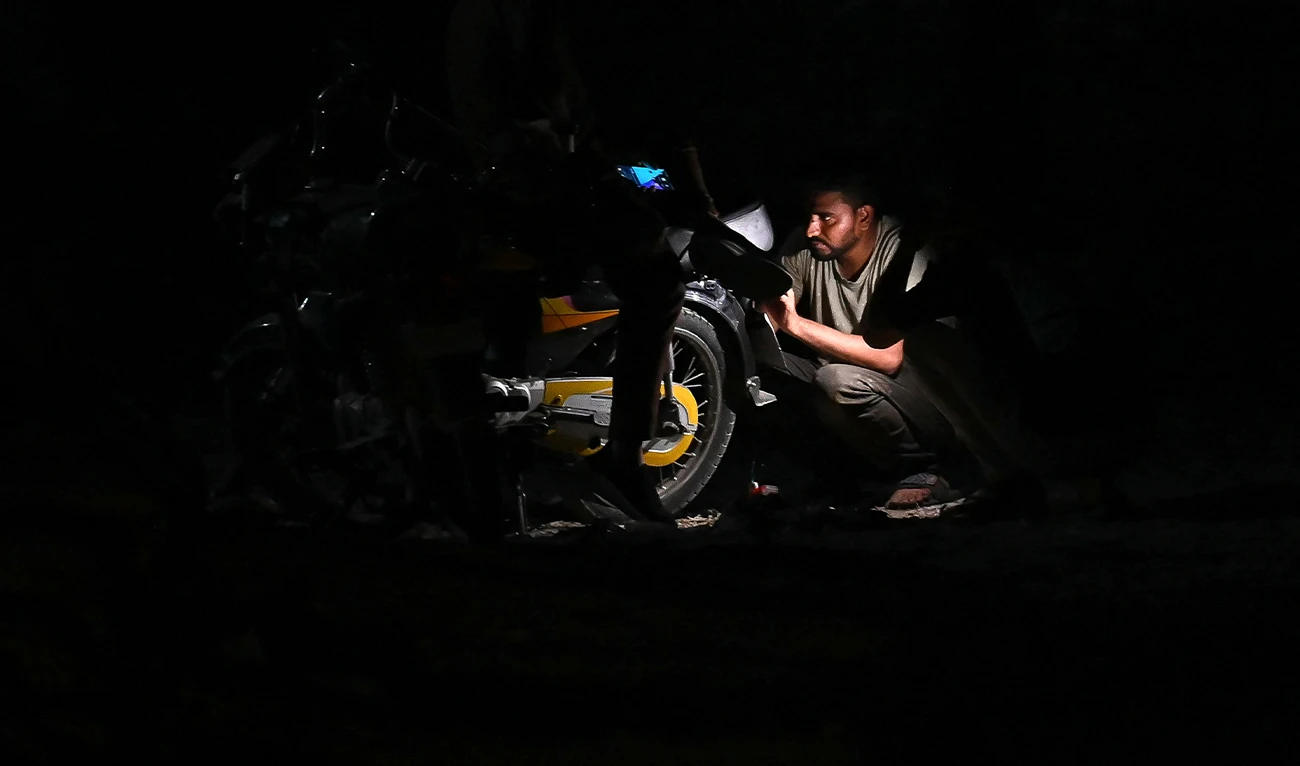
KARACHI: Pakistan’s commercial hub Karachi could face power cuts during evening and nighttime peak hours as gas supply disruptions stemming from the continuing US-Iran conflict threaten electricity generation, utility K-Electric warned on Friday.
The warning raises the prospect of power disruptions in the country’s largest and most densely populated city, as Pakistan grapples with shortages of regasified liquefied natural gas (RLNG), which is used to fuel power plants. The shortages have been exacerbated by disruptions to LNG shipments from Qatar.
“Due to a nationwide RLNG constraint stemming from international supply disruptions and delayed cargoes — affecting generation across the country including KE’s territory — KE may need to undertake load management as an extreme, last-resort measure during evening/night peak hours, if necessitated,” K-Electric spokesperson Imran Rana said in a post on X.
He said daytime electricity supply would remain largely stable, adding that the utility was coordinating with Pakistan LNG Limited (PLL) and relevant authorities to restore normal operations as soon as possible.
The warning comes amid continuing uncertainty over LNG supplies from Qatar, one of Pakistan’s principal suppliers, following disruptions to energy infrastructure during the US-Iran conflict.
QatarEnergy halted production and declared force majeure in March after attacks on its facilities disrupted operations. Last month, the company extended the suspension of affected deliveries until Nov. 5, prolonging uncertainty for countries dependent on Qatari gas.
With Qatari supplies uncertain, Pakistan’s petroleum ministry has prepared a contingency plan requiring state-owned PLL to explore alternative LNG supplies from the United States, the Middle East and Azerbaijan.
However, elevated prices in the international spot market have complicated efforts to secure replacement cargoes, raising concerns about the cost of maintaining fuel supplies.
The situation poses a particular challenge for Karachi, Pakistan’s main financial and industrial center, where reliable electricity is essential for factories, businesses and households.