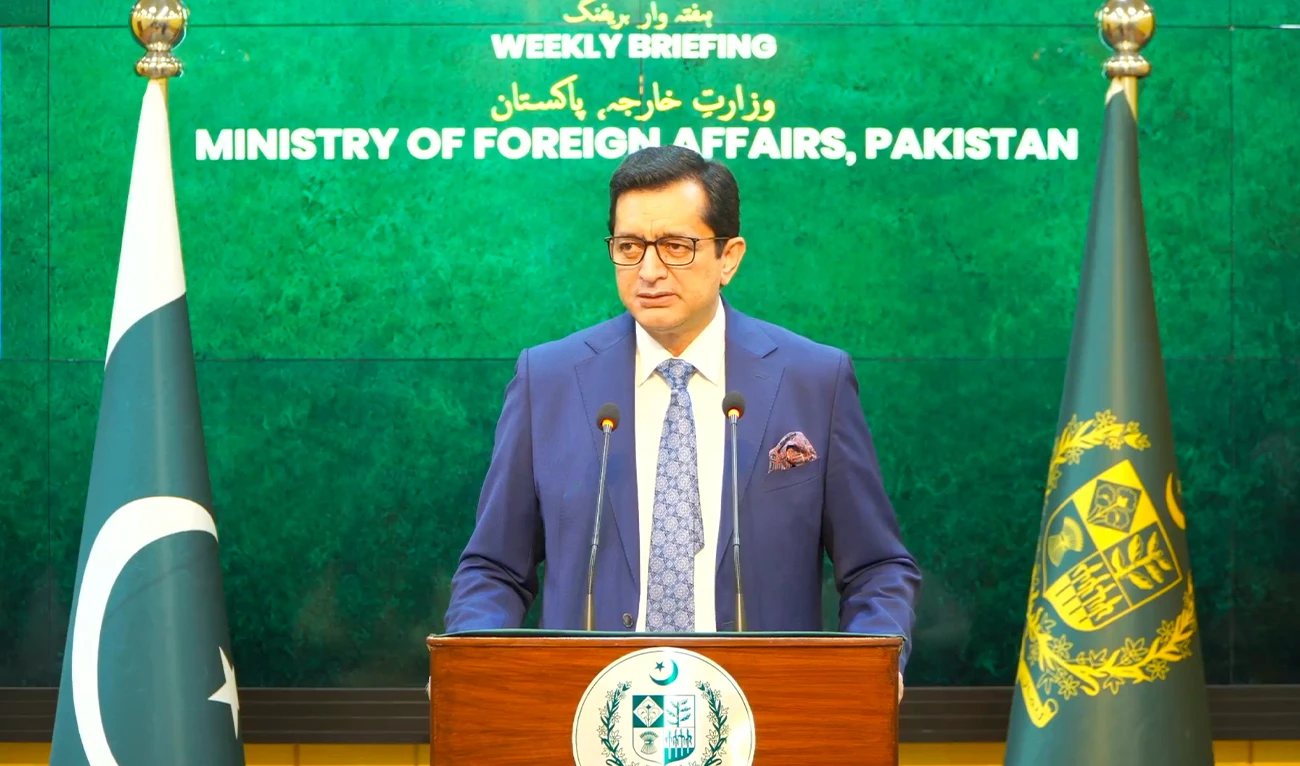
- Ishaq Dar chairs meeting to review fuel relief program’s implementation, targeting mechanisms
- Government has allocated Rs75 billion for scheme expected to cost up to Rs30 billion monthly
ISLAMABAD: The government reaffirmed its commitment on Friday to implementing a fuel subsidy scheme despite a recommendation from the International Monetary Fund (IMF) this week to phase it out because of its high cost and broad targeting.
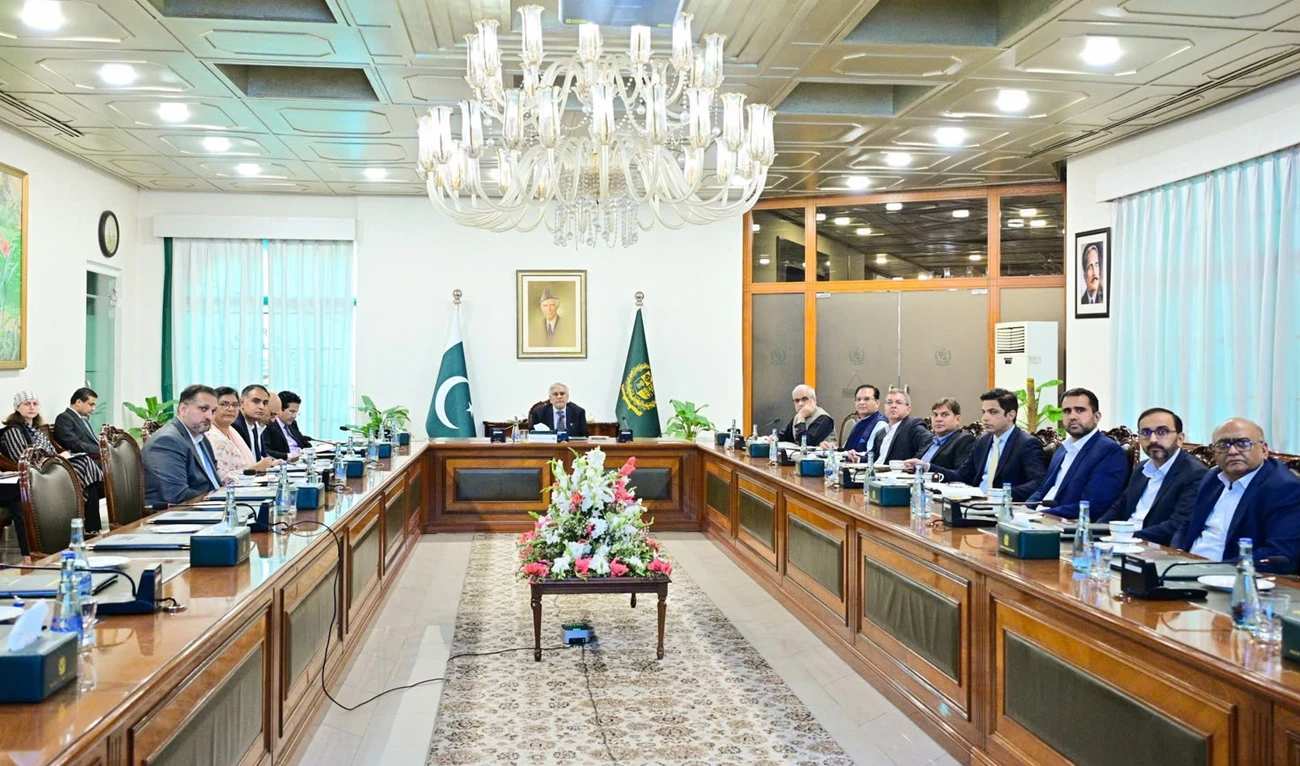
Deputy Prime Minister and Foreign Minister Ishaq Dar chaired a meeting to review the scheme’s operational status, targeting mechanisms and implementation strategy, the foreign ministry said, two days after the IMF reached a staff-level agreement with Pakistan that could unlock about $1.2 billion in financing.
Pakistan is implementing a $7 billion IMF loan program that requires wide-ranging economic reforms, including the privatization of loss-making state-owned enterprises, fiscal consolidation and measures to rationalize government subsidies.
“The DPM/FM emphasized the government’s commitment to providing targeted fuel relief to deserving segments of society, as per the directives of the Prime Minister to ensure maximum relief to the common citizens,” the foreign ministry said in a statement.
“He instructed all concerned to ensure effective inter-provincial and inter-ministerial coordination, smooth execution, efficient resource allocation and a robust public awareness campaign,” it added.
The Prime Minister’s Fuel Relief Scheme was launched last month to shield lower-income motorists from rising petrol prices amid the US-Iran war. It provides motorcycle and rickshaw users with a weekly petrol token worth Rs500 ($1.80), while owners of cars with engines of up to 800cc receive a discount of Rs100 ($0.36) per liter on up to 10 liters every 10 days.
The government approved Rs75 billion ($271 million) for the program, and officials say more than nine million people are benefiting from it.
In its statement announcing Wednesday’s staff-level agreement, the IMF explicitly called for the fuel support scheme to be phased out promptly, citing its high cost and broad targeting.
“Any future fuel support — should oil prices surprise on the upside — should be limited, timebound, targeted using established social assistance programs, and accommodated within the FY27 budget envelope,” IMF mission chief Iva Petrova said.
The foreign ministry’s statement did not address the IMF’s recommendation to phase out the subsidy or specify whether the government planned to set an end date for the scheme.
Petroleum Minister Ali Pervaiz Malik said last month that the program would cost Rs25 billion to Rs30 billion ($90 million to $108 million) a month.
Friday’s meeting also reviewed a media communication plan aimed at raising public awareness of the scheme, with Dar calling for coordination among federal and provincial authorities to ensure its implementation.
Global oil prices have remained volatile as the war unsettles energy markets, adding pressure on Pakistan, which relies heavily on imported petroleum products.