- Uganda was the first country to sign up for the African Union’s military mission in Somalia in March 2007 and currently has around 6,500-8,500 troops in key roles
- Successive AU missions have fought the Al-Qaeda-linked Al-Shabab militant group, with the help of Western forces, but the group still controls large swathes of central Somalia
KAMPALA: Uganda said Monday that it had begun withdrawing troops from Somalia after almost two decades in the country, removing a vital element in the fight against extremist insurgents.
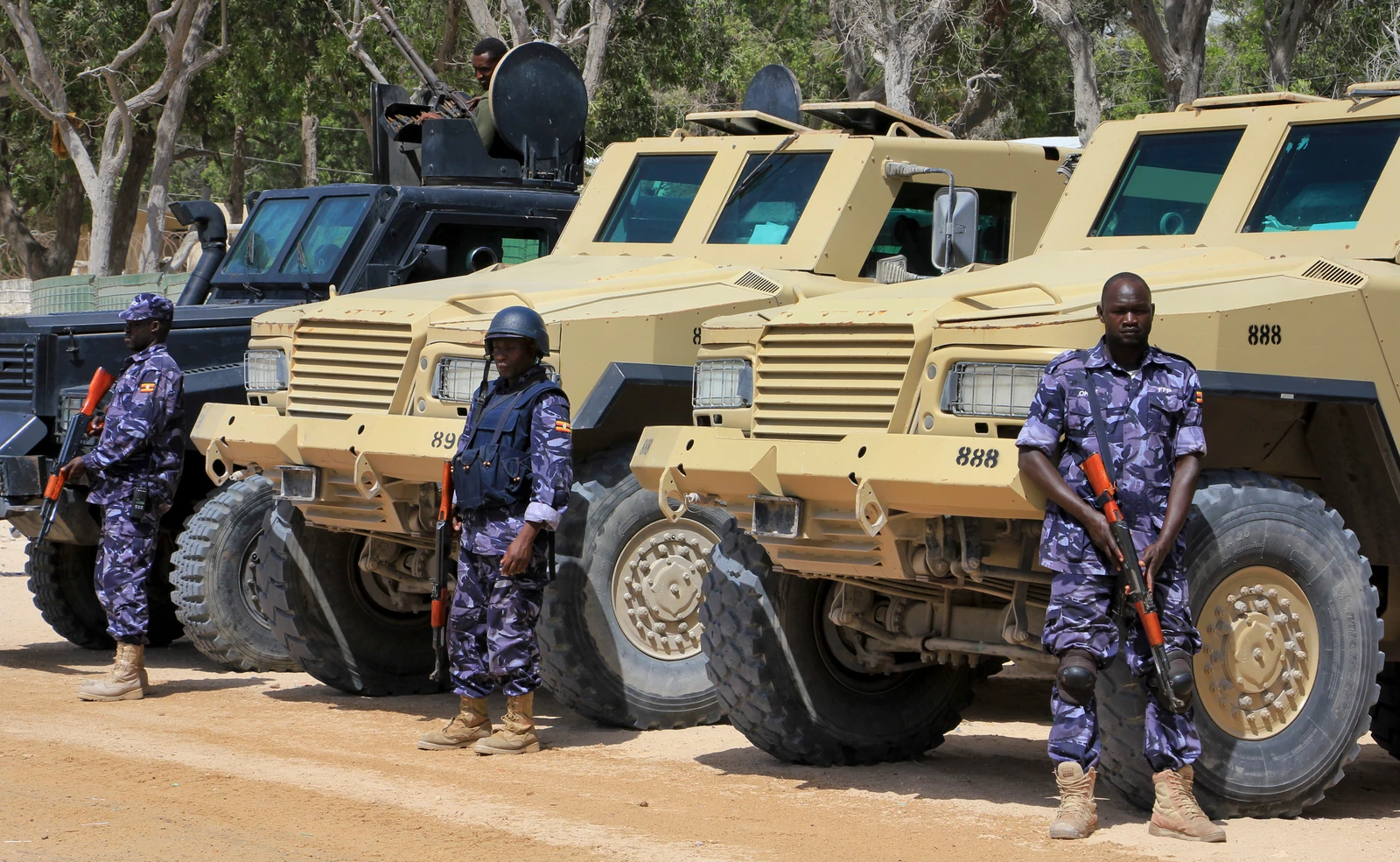
Uganda was the first country to sign up for the African Union’s military mission in Somalia in March 2007 and currently has around 6,500-8,500 troops in key roles, including protecting the capital, Mogadishu.
Successive African Union missions have fought the Al-Qaeda-linked Al-Shabab militant group, with the help of Western forces, but the group still controls large swathes of central Somalia.
Just last week, Al-Shabab claimed to have carried out one of the deadliest attacks on government forces in years, saying it killed hundreds of elite soldiers in the Lower Shabelle region.
The government has refused to give a toll.
Frustrated with the lack of progress and the endless political chaos in the country, the United States announced this year that it would stop funding a United Nations logistics mission that is critical to the African Union forces.
Uganda’s army said in a statement that it had “embarked on the drawdown of troops,” to be completed by the end of 2027.
First to go will be the troops it has in Somalia under a bilateral deal with the government — around a third of the total — followed by those working with the African Union mission where Uganda makes up around 40 percent of the force.
The Ugandan army said its withdrawal “will mark the end of Uganda’s enduring 20-year peace and stabilization support operations in Somalia, permitting the Somali Armed Forces to assume full responsibility for security in the country.”
‘Full collapse’
But Somalia remains deeply fragmented, with the government also fighting powerful regional leaders who oppose centralized control.
“It’s pretty clear that (the) Somali National Army is not in a position to hold any territory or even to protect the capital,” said analyst Matt Bryden, co-founder of research group Sahan and an expert on the conflict.
“We could expect a full collapse of the federal government and possibly the fall of Mogadishu to Al-Shabab,” he added.
Others say that is too pessimistic at this stage.
“There’s been progress on the Somali side that isn’t always recognized... But the needs are still vast,” said Omar Mahmood of the International Crisis Group.
“There are still external actors that are very much concerned about Somalia’s security,” he said.
Washington has continued to carry out airstrikes on Al-Shabab in recent months, despite pulling back on its multilateral support.
And many see Turkiye as the key actor now. It has invested hugely in Somalia, which is home to its biggest overseas military base, a planned spaceport for satellite launches and offshore oil explorations.