- The storm, which was briefly a super typhoon, has maximum sustained winds of 194 kph (120 mph) and is expected to bring heavy rain and strong winds to northeastern Taiwan
- At least one person has died and over 160 others have been injured due to the impact of the typhoon, with more than 2,600 individuals having fled their homes
TAIPEI: Most shops and schools were shut across Taiwan on Friday as Typhoon Champi neared the island, forcing hundreds of people to leave their homes ahead of the powerful storm.
The typhoon is expected to sweep past Taiwan’s northeast as it moves toward China and Japan, triggering the cancelation of hundreds of flights in the region.
At least one person has been killed in Taiwan after being swept away by waves whipped up by the typhoon, authorities said. More than 160 others have been injured.
Champi is the latest in a busy Pacific storm season turbocharged by the El Nino weather phenomenon that has caused unprecedented warming in the equatorial Pacific.
The storm was briefly a super typhoon as it crossed the ocean, with reported maximum sustained wind speeds of nearly 300 kilometers (186 miles) per hour, but has since weakened.
It gathered strength as it neared Taiwan on Friday afternoon and now has maximum speeds of 194 kph (120 miles per hour), according to the latest update from the Joint Typhoon Warning Center.
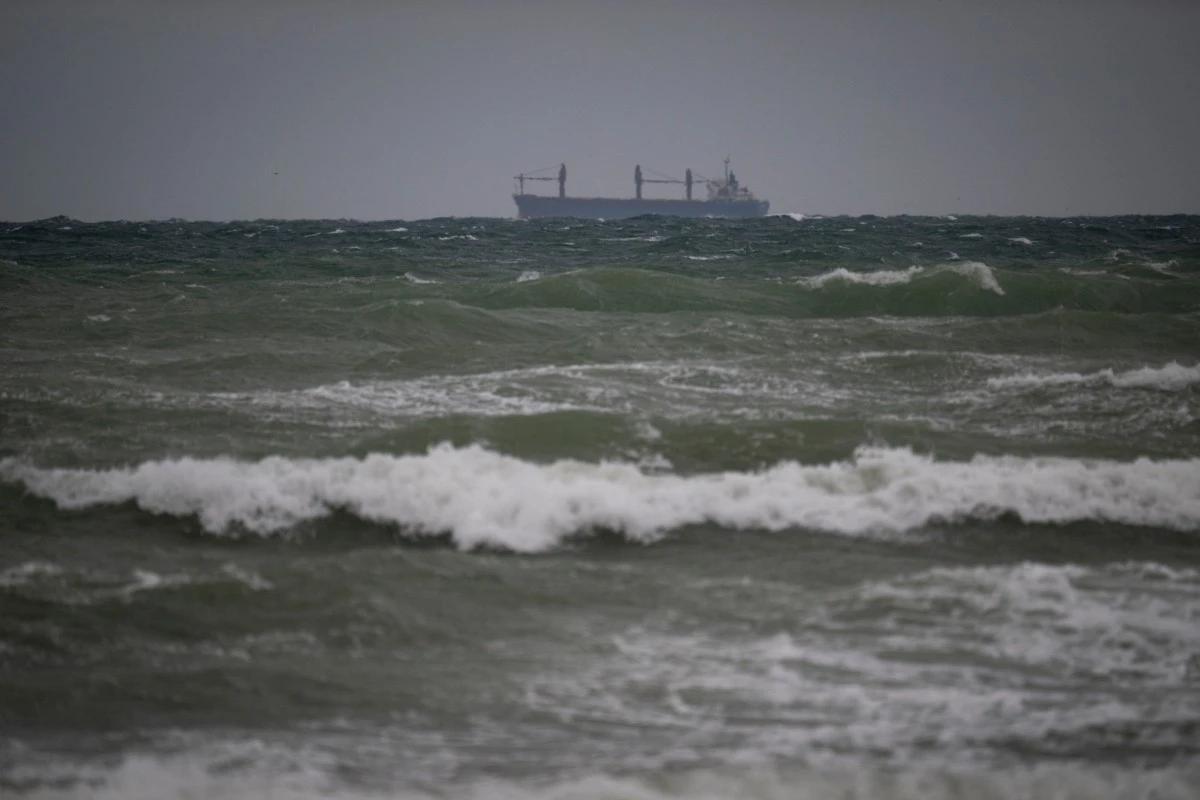
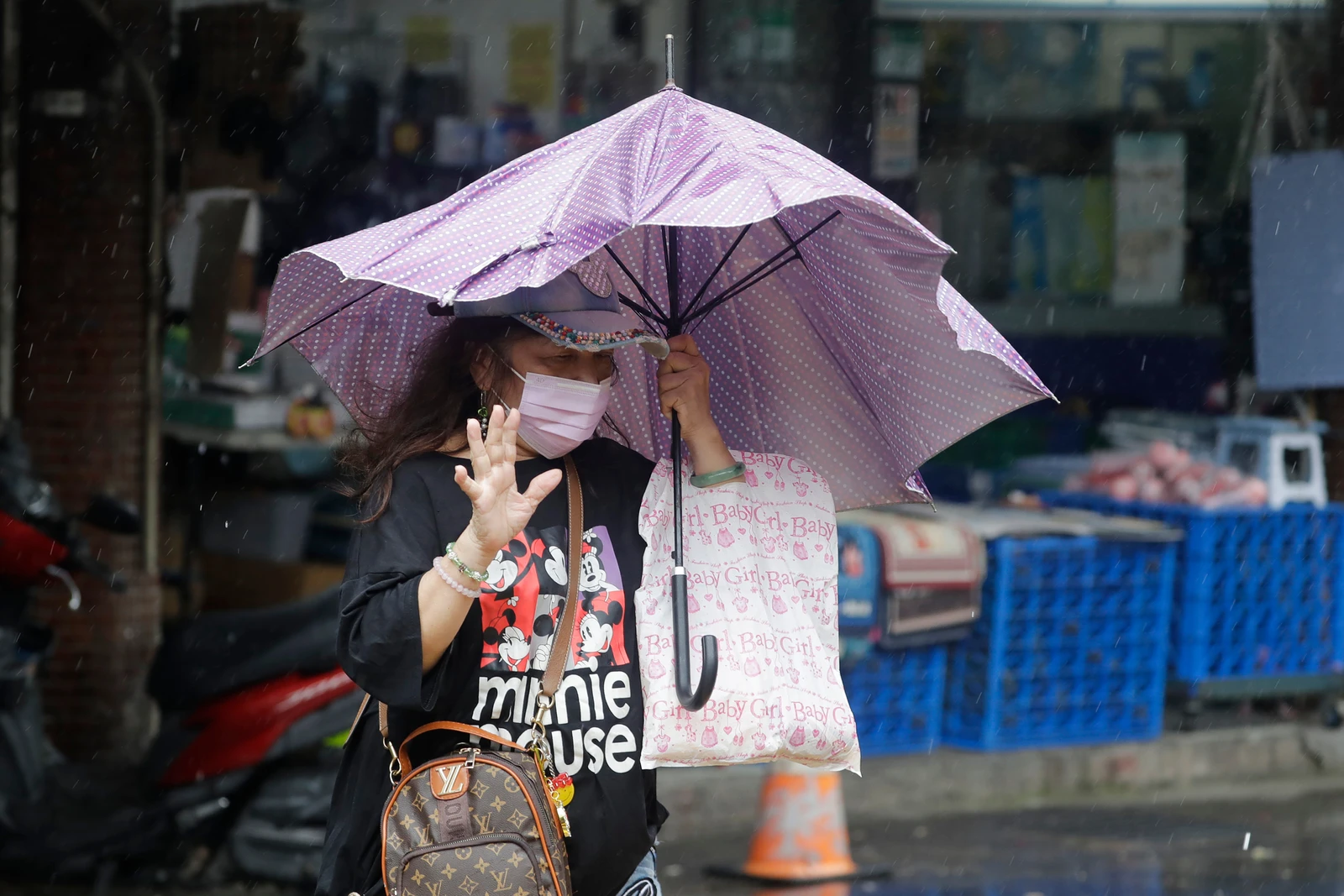
Heavy rain, strong winds and giant waves have battered the island, and thousands of military personnel are on standby to assist with rescue efforts.
More than 2,600 people have fled their homes ahead of Champi. Authorities were racing to restore power to thousands of households, mostly in coastal areas.
“As it approaches Taiwan’s northeastern tip... the typhoon may slow down. If it slows down, its impact will last longer,” the Central Weather Administration’s Lu Kuo-chen told a briefing.
Stores were closed on Japan’s southwestern island of Ishigaki, near Taiwan, and business owners draped windproof nets over their shops in an attempt to protect them from the strong winds.
Some tourists were also stranded due to flight cancelations, with many sheltering inside hotels.
“Lot of shops and restaurants were still open yesterday, and I could stock up on food, but there’s not much information online about the typhoon and what to do,” said Laura Czypulovski, 33, who lives in Zurich.
“It is now a pain to get back home — especially because it impacts my following flights, and then it caused a lot of rebooking.”
Yuki Koike, who lives in Tokyo, said his flight had also been canceled but was trying to make the best out of the situation.
“We knew we could have a typhoon, but we thought it will reach a bit earlier so that we could avoid it,” said the 31-year-old.
But “we use the time stuck here to work and to plan our wedding in December.”
Professional storm-chaser James Reynolds posted a video on X from Ishigaki showing a “fierce storm tide” in a channel leading to the island’s harbor as Champi’s strong winds whipped across the water.
“I’m seeing the ocean do things I’ve not seen in 20 years of doing this!!” Reynolds said in the post.
‘Extremely heavy rain’
Champi is expected to dump up to 90 centimeters (35 inches) of rain from Thursday to Saturday, with northeastern Taiwan to be hardest hit, the forecaster said.
More than 40 cm of rain was recorded in Yilan county on Friday.
“People should be aware that the strong winds and extremely heavy rain will continue into the first half of tomorrow,” Lu said.
Work and classes were canceled for the day across nearly all of Taiwan, leaving streets quiet as most locals hunkered down at home. The stock exchange was also closed.
Some businesses installed sandbags or metal barriers at entrances to prevent flooding.
“I’m worried about flooding. The vegetables could get flooded and rot,” a 73-year-old farmer surnamed Tsai told AFP in New Taipei City.
Convenience store worker Peter Chen said he was concerned about the weather conditions on Friday night when the eye of the typhoon would be closer to Taiwan’s coast.
“We might prepare some sandbags,” the 27-year-old said.
The United Nations said Wednesday that the El Nino system gripping the planet is heading off the charts and that countries should take urgent action to prepare for the worst.
El Nino is expected to peak in December, but the human impact is set to last into 2027 and beyond.
The warming phase of a natural climate cycle, El Nino temporarily raises sea temperatures in the tropical Pacific, triggering changes in weather that can increase the risk of drought and flooding and exacerbate human-caused global warming.