- Online gambling emerged in refugee camps in 2023 as international aid plunged
- UNHCR observes a ‘sharp rise’ in gambling in 2026, linked to financial hardship
Online gambling and debt-related crime are becoming growing concerns in Rohingya camps in Bangladesh, authorities say, as conditions worsen with dwindling international aid and fading job prospects.
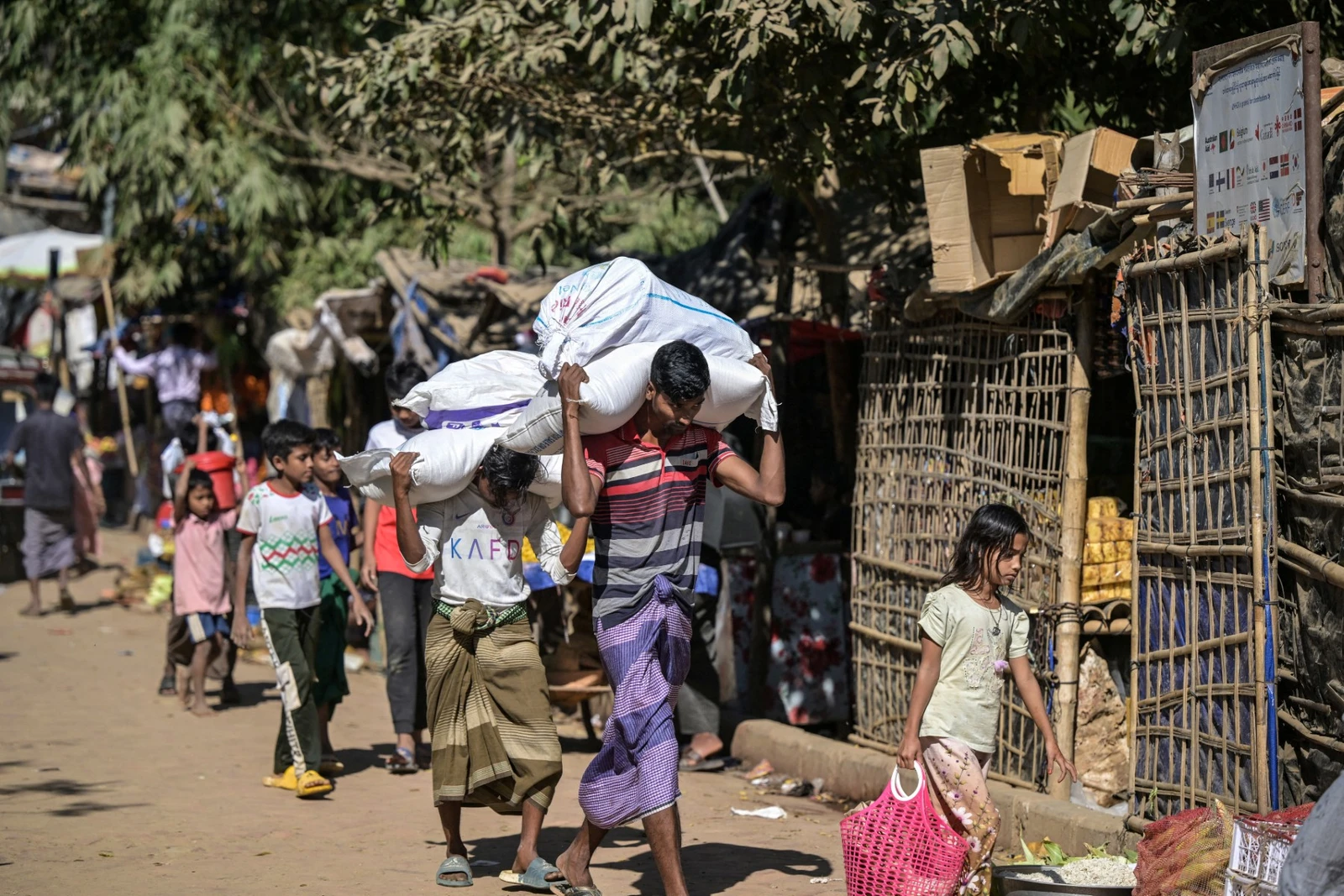
Most of the 1.3 million Rohingya living in 33 cramped refugee settlements in Bangladesh’s Cox’s Bazar district escaped a military crackdown in Myanmar in 2017.
They have not been allowed to return since, as despite multiple attempts from Bangladeshi authorities, a UN-backed repatriation process has failed to take off.
In Bangladesh, they are generally not legally allowed to work, and movement restrictions in the camps make outside employment difficult, leaving many families reliant on aid or irregular, informal income.
But international assistance has been plunging since 2021, driven by competing global emergencies, donor exhaustion from a protracted crisis, and COVID-19 pandemic disruptions.
The UN Refugee Agency estimated that already in 2023 over 35 percent of Rohingya refugee households were in extreme humanitarian need amid major funding cuts. At that time, the first signs of online gambling began to emerge.
“The Rohingyas at Cox’s Bazar camps have been getting involved in online gambling and we are noticing a rising trend,” Mizanur Rahman, refugee relief and repatriation commissioner in Cox’s Bazar, told Arab News.
“This practice has started coming to light in 2023-24. From that time onward the activity has increased significantly.”
The financial pressure and people finding themselves trapped in a cycle of debt have contributed to violence, kidnappings, and extortion.
“Many abduction incidents that are taking place in the camps are related to this gambling. These are mostly staged. When someone gets into debt due to gambling, they stage their own kidnapping and then demand money from their parents through other people,” Rahman said.
Hundreds of people in the camps have been affected by incidents related to gambling every month, according to UNHCR data.
The latest UNHCR monitoring report, covering the second quarter of 2026, identifies a “sharp rise in online gambling” linked to financial hardship and limited livelihood opportunities.
“Online gambling is becoming a growing protection concern in the camps,” said Mosharaf Hossain, UNHCR spokesperson for Bangladesh.
“While refugees increasingly use online gambling as a negative coping mechanism to respond to reduced humanitarian aid within a constrained self-reliance environment, it often results in further deterioration of their situation. For refugees who have spent years in displacement, meaningful opportunities are essential to protect dignity, build resilience and help people pursue safer and more hopeful futures.”