- Phase III raises Thar Block II mine capacity by 47 percent to 11.2 million tons annually
- Additional coal will supply 660 MW Lucky plant as Pakistan seeks to reduce fuel imports
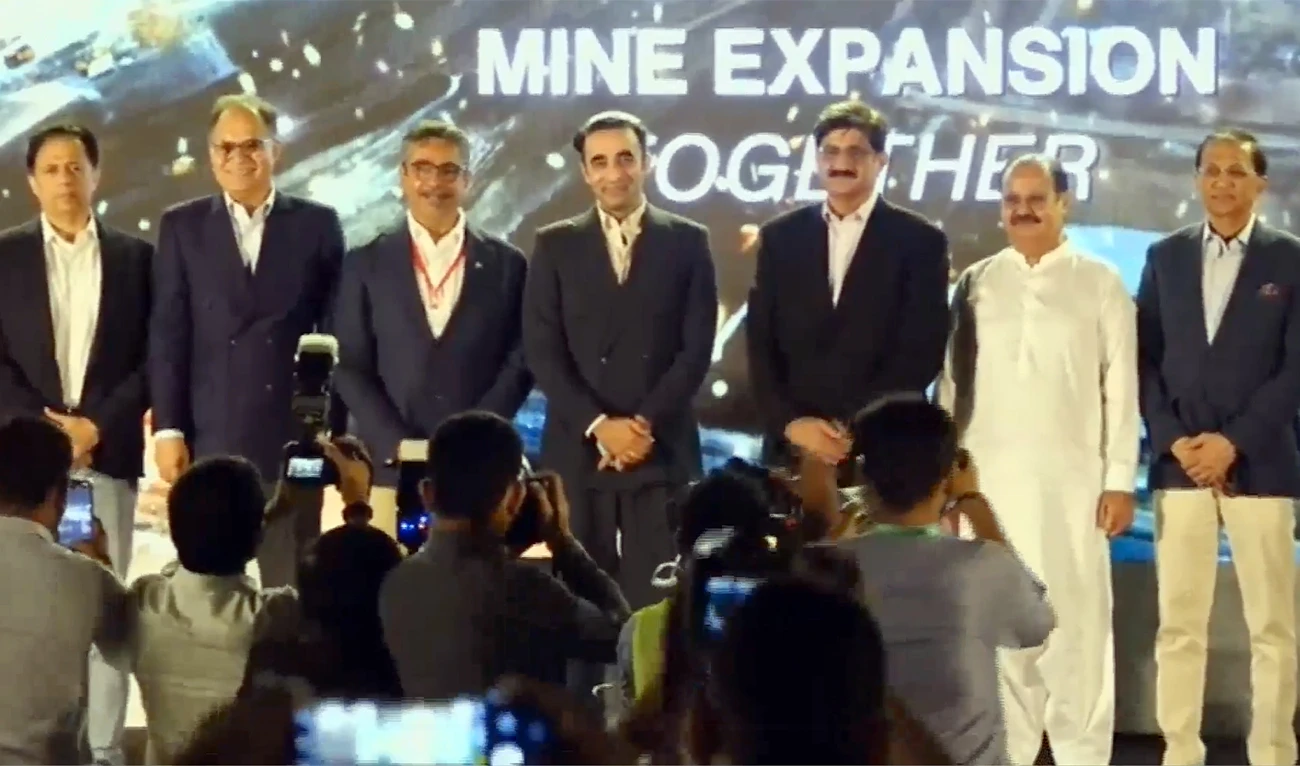
KARACHI: Pakistan on Monday inaugurated a major expansion of its Thar coal mine, increasing domestic fuel supplies for power generation as the Iran war disrupts regional energy markets and sharpens the country’s exposure to costly imports.
The third phase of the Thar Block II mine in the southern Sindh province increases annual production capacity by 47 percent, from 7.6 million to 11.2 million tons, according to the provincial government. The additional 3.6 million tons will supply the 660-megawatt Lucky Electric Power Company plant near Karachi, which has historically relied largely on imported coal.
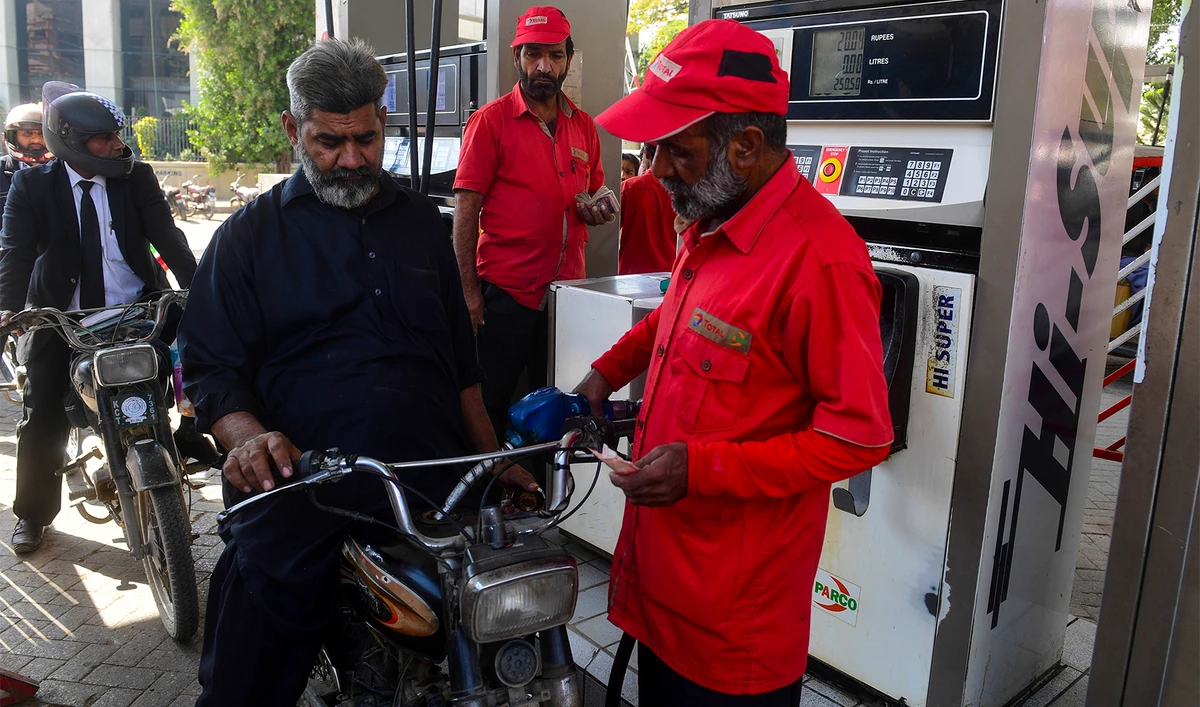
The expansion comes as Pakistan, a net energy importer with limited foreign-exchange buffers, faces higher fuel costs amid the US-Iran war and disruption to energy supplies and shipping through the Strait of Hormuz. Replacing imported coal and other fuels with domestic resources has consequently become increasingly important to Islamabad’s energy-security strategy.
Pakistan has already significantly expanded the use of coal from Thar, a desert region bordering India that contains one of the world’s largest lignite deposits. Six power projects with combined capacity of 3,960 MW used Thar coal either wholly or partly in the last fiscal year, generating 16,447 gigawatt-hours of electricity and consuming 13.8 million tons of the local fuel, according to government data published last month.
“Today, we are saving $1.6 billion of foreign reserves in Pakistan because of Thar coal,” Bilawal Bhutto Zardari, chairman of the Pakistan Peoples Party that rules Sindh and a former foreign minister, said as he inaugurated the expansion.
The Sindh government said the Phase III project, completed entirely through self-financing, was expected to save another $220 million annually in foreign exchange and Rs15 billion ($53 million) a year in power-generation costs.
The additional production will allow more Thar coal to be supplied to Lucky Electric, whose 660 MW plant at Port Qasim near Karachi has traditionally run on imported coal. During the last fiscal year, Thar coal accounted for 33 percent of the plant’s coal use, with imported fuel making up the remaining 67 percent, according to official data.
Regular supplies of Thar coal to the Lucky plant began on Sept. 1, data shows, underscoring efforts to substitute imported coal at existing power stations rather than add new generation capacity.
Three power plants with combined capacity of 1,320 MW were already supplied entirely by the Block II mine before the latest expansion. The addition of Lucky means the mine can support plants with combined capacity of 1,980 MW, according to the Sindh government.
Pakistan began commercial power generation from Thar coal in 2019 after decades of attempts to exploit the desert’s vast lignite reserves. Four plants with a combined capacity of 2,640 MW were classified by the country’s power regulator as local-coal generators in the previous fiscal year, while another 4,620 MW of installed coal-fired capacity was categorized as relying on imported coal, according to the National Electric Power Regulatory Authority.
Bhutto Zardari said officials in Islamabad had once dismissed the resource as commercially unviable and called for its use to be expanded beyond electricity generation.
Pakistan in February advanced a $1.12 billion project to convert Thar lignite into urea, part of a broader effort to reduce dependence on imported fertilizer and natural gas.
Sindh Chief Minister Murad Ali Shah said authorities were also working on converting Thar coal into gas and aimed eventually to raise Block II’s annual mining capacity to 20 million tons.
Separately on Monday, Bhutto Zardari inaugurated what the Sindh government described as Pakistan’s first coal-drying unit at Thar Block I, where a Chinese-backed mine supplies a 1,320 MW power plant. Drying lignite, a relatively low-grade coal with high moisture content, can improve its efficiency before combustion.