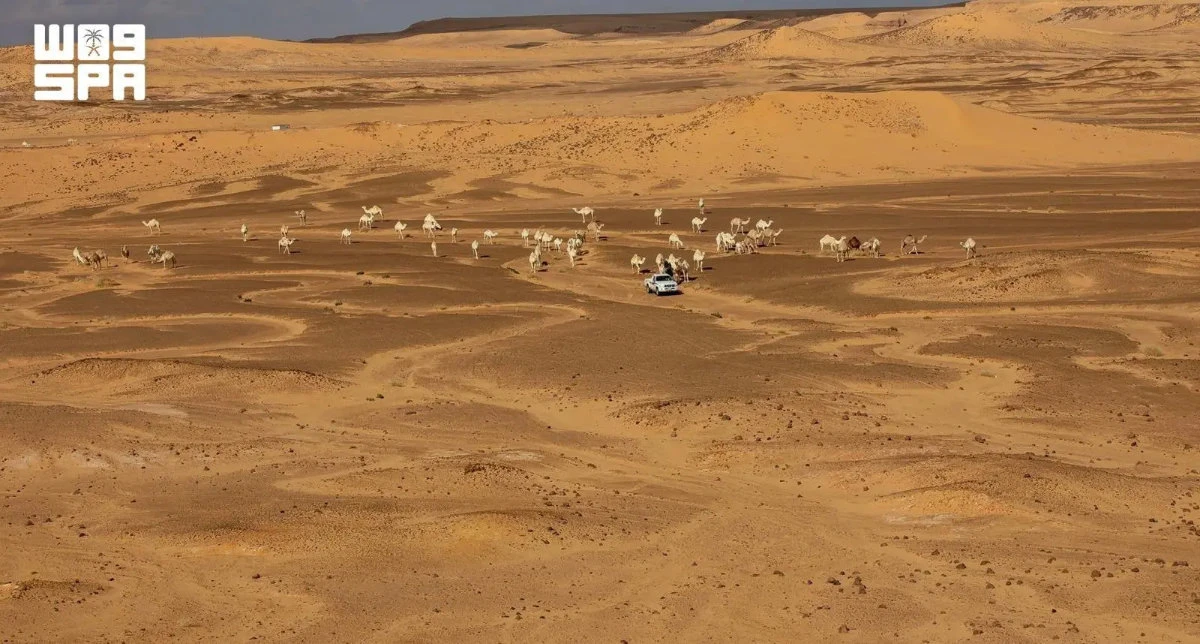
RAFHA: Saudi Arabia's Imam Turki bin Abdullah (ITBA) Royal Nature Reserve Development Authority has warned that overgrazing is degrading rangelands within its boundaries and called for stricter adherence to sustainable grazing practices.
In a report carried by the Saudi Press Agency (SPA), the nature reserve said uncontrolled grazing strips vegetation before plants can mature and produce seed, triggering soil erosion, reduced water retention and rangeland degradation, it said.
Left unchecked, these effects speed up desertification and sand encroachment, reduce food and shelter available to wildlife, and threaten historic sites located within the reserve, the authority said.
Describing rangeland conservation as a shared responsibility, it urged herders and other stakeholders to give vegetation sufficient time to recover to preserve the ecosystem's long-term balance.
The appeal builds on a broader regulatory push by the authority.
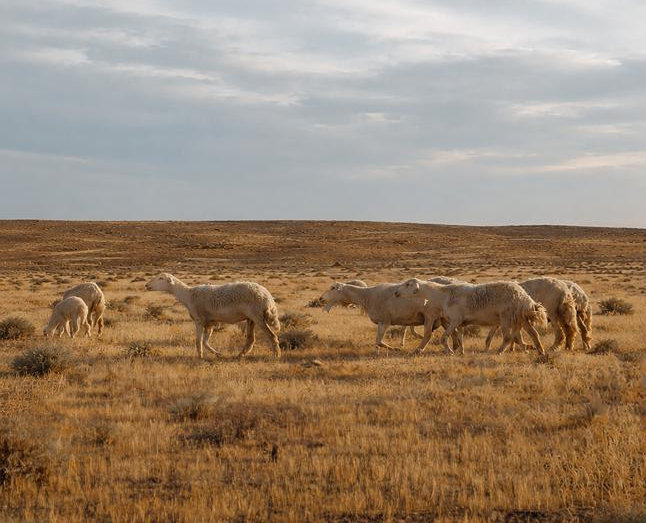
In March, it introduced an updated, fifth edition of its grazing regulations, first rolled out in January 2022, as part of a wider strategy to protect vegetation cover and biodiversity across the reserve.
Under the rules, grazing is permitted only with official authorization.
It is restricted to designated zones, time periods and livestock quotas calibrated to each pasture's carrying capacity, the authority has said.
The regulations also expand grazing areas around villages and settlements inside the reserve and establish buffer grazing belts on its periphery, in response to requests from local communities.
They bar tree-cutting, logging and off-road vehicle use.
The authority has said it enforces the rules through patrols and monitoring systems, with legal action taken against violators.
The reserve authority has pointed to improving environmental indicators as evidence its conservation programme is taking effect.
It reported a 76.2% drop in the frequency of dust storms within the reserve during 2026 compared with previous levels.
![The Imam Turki bin Abdullah Royal Nature Reserve Development Authority has reported a sharp drop in the frequency of dust storms within the reserve in 2026,]. It attributed the decline to expanded vegetation cover, reduced soil erosion and broader land-restoration efforts. (SPA)](https://assets.maestronewsroom.com/media/30f6532d-717b-4366-9158-9c455299fcd9/1788668012995-72f5491ea405559a.jpg)
The authority attributed the decline to expanded vegetation cover, reduced soil erosion and broader land-restoration efforts.
Established by royal decree in 2018, the Imam Turki bin Abdullah Royal Reserve spans some 91,500 square kilometers in northeastern Saudi Arabia.
It stretches across parts of the Jawf, Qassim, Hail, Northern Borders and Eastern regions. Prince Turki bin Mohammed bin Fahd bin Abdulaziz chairs the authority's board of directors.