- President, PM cite Makkah defense pact as evidence of Pakistan’s growing regional role
- Leaders reaffirm commitment to dialogue but warn against threats to sovereignty, security
ISLAMABAD: Pakistan’s president and prime minister on Sunday described the country as an emerging “net security provider,” highlighting its expanding defense and diplomatic role in the Middle East as the nation marked its 61st Defense and Martyrs’ Day.
Observed annually on Sept. 6, the day commemorates the 1965 war with India and honors Pakistani soldiers killed in conflicts. This year’s messages come as Islamabad seeks a broader security and diplomatic role beyond South Asia, including through a new collective defense pact with Saudi Arabia and Türkiye and mediation efforts aimed at easing tensions between Iran and the United States.
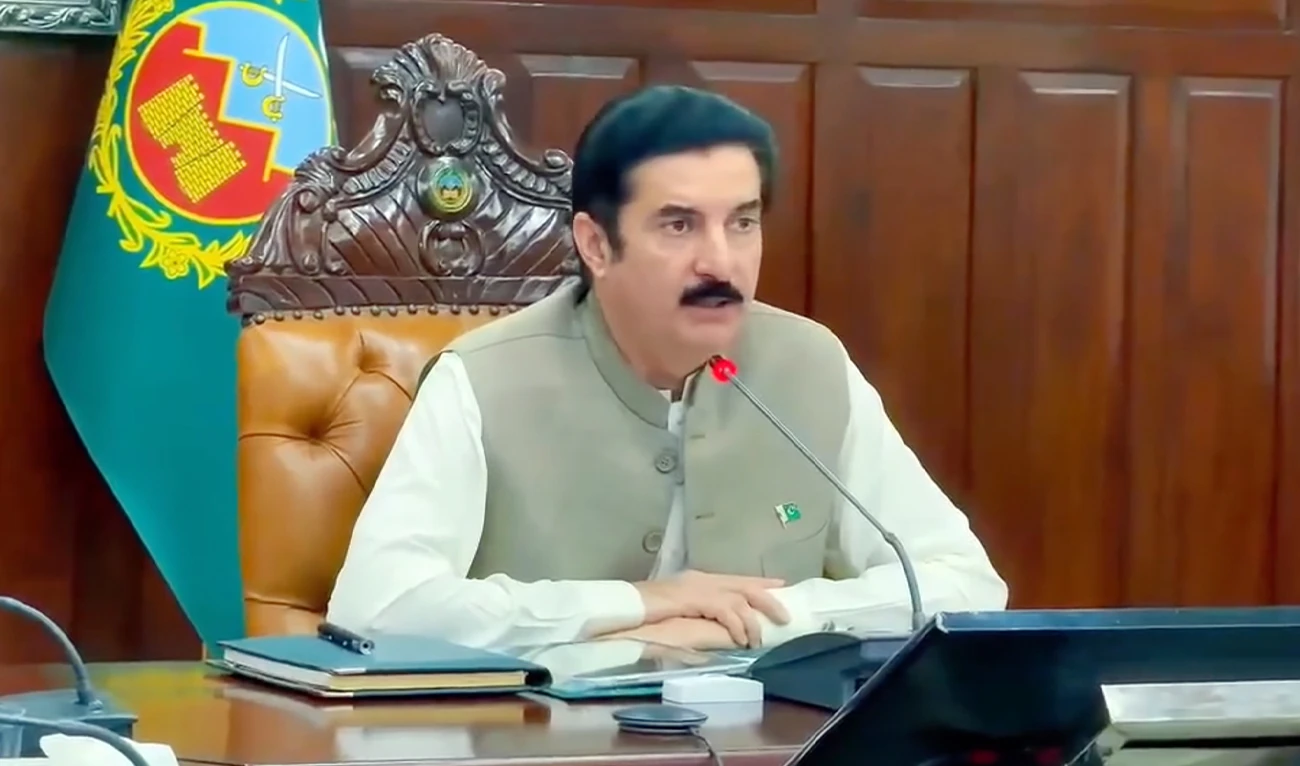
“Pakistan has increasingly emerged as a net regional security provider, contributing to peace, stability and collective security beyond its frontiers,” President Asif Ali Zardari said in a statement.
“The Makkah Joint Defense Agreement is a manifestation of Pakistan’s commitment to regional security and its growing role as a responsible and dependable partner for regional peace and stability.”
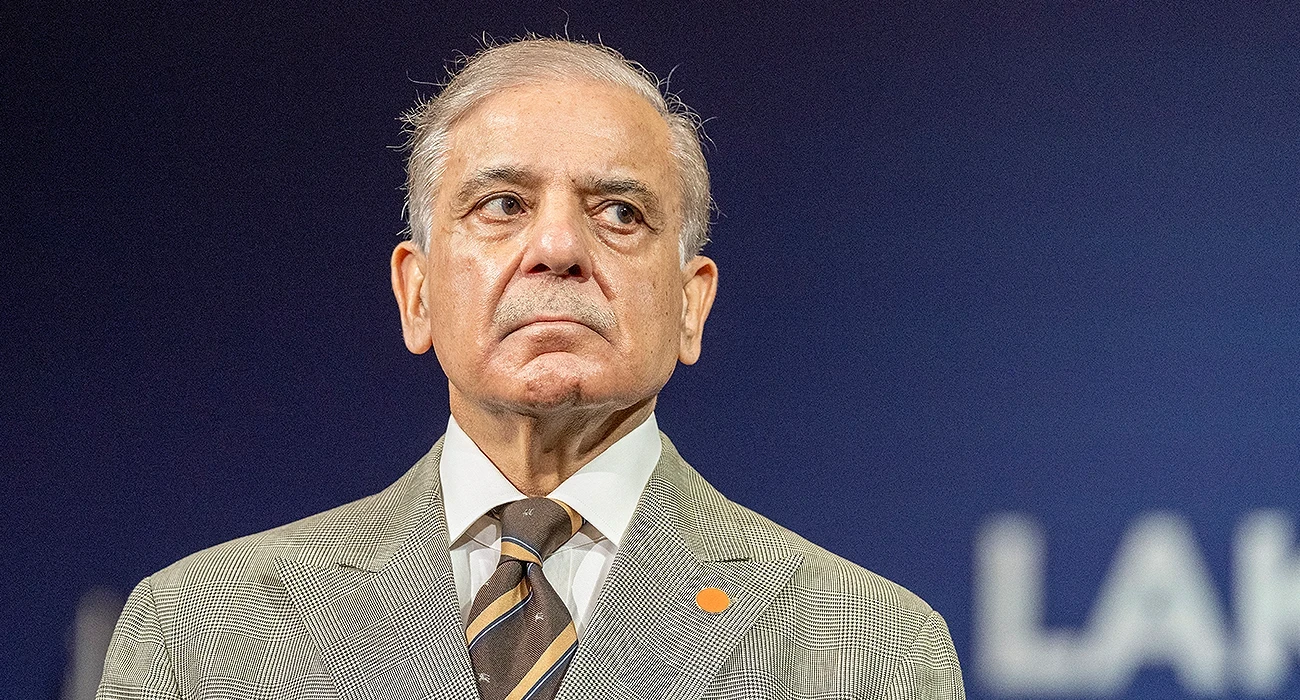
Prime Minister Shehbaz Sharif echoed the message, saying Pakistan would continue to play an “active and constructive role” in promoting regional and global peace.
Pakistan, Saudi Arabia and Türkiye signed the Makkah Joint Defense Agreement on Aug. 7 amid heightened tensions in the Middle East. The accord stipulates that an armed attack against any one of the three states will be considered an attack against all and provides for expanded defense cooperation.
The three countries have also agreed to establish a permanent secretariat in Saudi Arabia, initially headed by a Pakistani secretary-general.
Islamabad has also sought to position itself as a diplomatic interlocutor in the region, calling for de-escalation and negotiations amid tensions between Iran and the United States.
In South Asia, however, the Defense Day messages carried a sharper warning, with both civilian leaders raising the longstanding Kashmir dispute and accusing India of supporting militant proxies in Pakistan, allegations New Delhi denies.
Zardari said there could be “no compromise on Pakistan’s sovereignty, territorial integrity and national security,” while Sharif said lasting peace in South Asia could not be achieved without resolving the Kashmir dispute.
The two leaders also invoked Pakistan’s military confrontation with India last year as a continuation of the spirit associated with the 1965 war.
The military leadership separately said Pakistan remained committed to “responsible conduct and peaceful coexistence” but warned that its commitment to peace “must never be mistaken for weakness.”
“Any aggression against Pakistan will be met with a swift and decisive response,” it said.