- Experts use social media, public platforms to highlight importance of community solidarity, psychological resilience
RIYADH: Mental health professionals across Saudi Arabia are encouraging people to prioritize emotional well-being, support one another and seek professional help when needed, as the Kingdom responds to recent attacks with a renewed sense of unity.
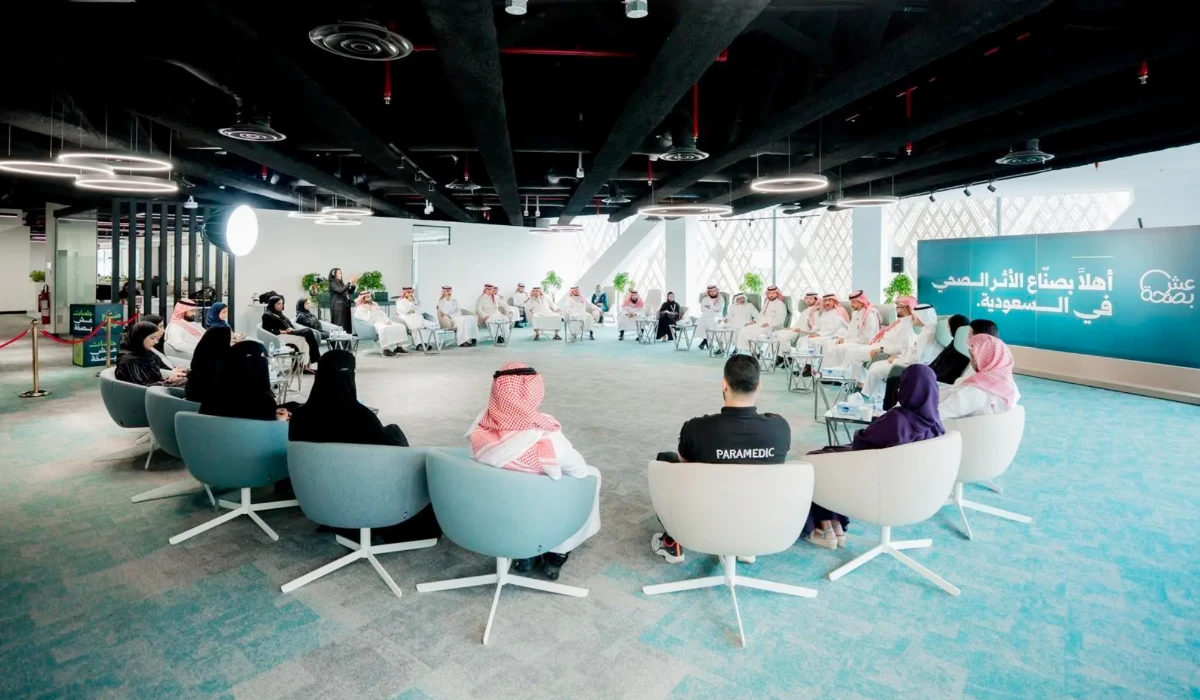
Experts have used social media and public platforms to highlight the importance of community solidarity and psychological resilience, emphasizing that family and social support can play a vital role in helping people cope with uncertainty and distress.
For Dr. Majid Al-Desouki, consultant psychiatrist and co-founder of digital mental health platform Psyter, understanding how people process distressing events is a key step toward managing anxiety.
He told Arab News: “Our brains react to watching danger almost as if we were facing it. Repeated exposure to coverage raises anxiety and erodes our sense of safety. Stay informed from reliable sources at set times, then switch off.”
Al-Desouki said family members can play an important role in helping loved ones navigate periods of heightened tension, particularly children who may struggle to understand unfolding events.
He added: “Children take their cues from adults and worry most about whether their own family, home, and school are safe. Answer their questions honestly and simply, limit what they see, and reassure them that the adults around them are working to keep them safe.”
Experts say family members can play an important role in helping loved ones navigate periods of heightened tension, particularly children who may struggle to understand unfolding events.
He noted that reactions can vary widely, particularly among people with a history of trauma or anxiety, saying: “News of violence can reawaken past trauma or intensify existing anxiety, though many people with these histories cope better than expected. If symptoms that were under control return or worsen, they should reach out to their clinician early rather than wait.”
Maintaining everyday routines can also help restore a sense of stability, he said.
“Routines restore the predictability that uncertainty takes away, and they tell the mind that life continues. Keeping work, school, sleep, meals, and prayer on track is one of the strongest protections we have, especially for children,” he added.
Beyond the family unit, social connection remains one of the most effective buffers against emotional distress.
“Social connection is among the strongest predictors of recovery after traumatic events. Solidarity turns ‘this happened to me’ into ‘this happened to us,’ and it replaces helplessness with a sense of shared strength,” he said.
That message has resonated across social media, where mental health professionals and specialists have used their platforms to share guidance and reassurance.
Among them is Saudi social worker Omar Al-Anzi, who posted an infographic on X on Oct. 11 outlining the role of psychological and social specialists during emergencies. The guidance highlighted psychological first aid, access to basic services and safety, community support and active listening.
Al-Desouki said active listening can be one of the most valuable forms of support during times of crisis.
He said: “Listen without pushing for details, offer practical help, and avoid quick reassurances like ‘it could have been worse.’ Watch for warning signs such as persistent sleeplessness, withdrawal, heavy reliance on substances, or hopelessness.”
As Saudis rally around a shared sense of national solidarity in the wake of recent events, mental health professionals said that the same spirit of collective support could help strengthen resilience, reassure vulnerable groups and reinforce a sense of stability during uncertain times.