- Saudi Arabia has completed 62 water projects across 14 Yemeni governorates, enhancing access to clean drinking water while providing food and shelter to refugees
- The Saudi Development and Reconstruction Program for Yemen aims to improve water distribution and resource management using renewable energy for efficiency
JEDDAH: Saudi Arabia has delivered 62 water projects and development initiatives across 14 Yemeni governorates, while providing food and shelter to Yemeni refugees in Djibouti and drinking water to displaced families in Lahj.
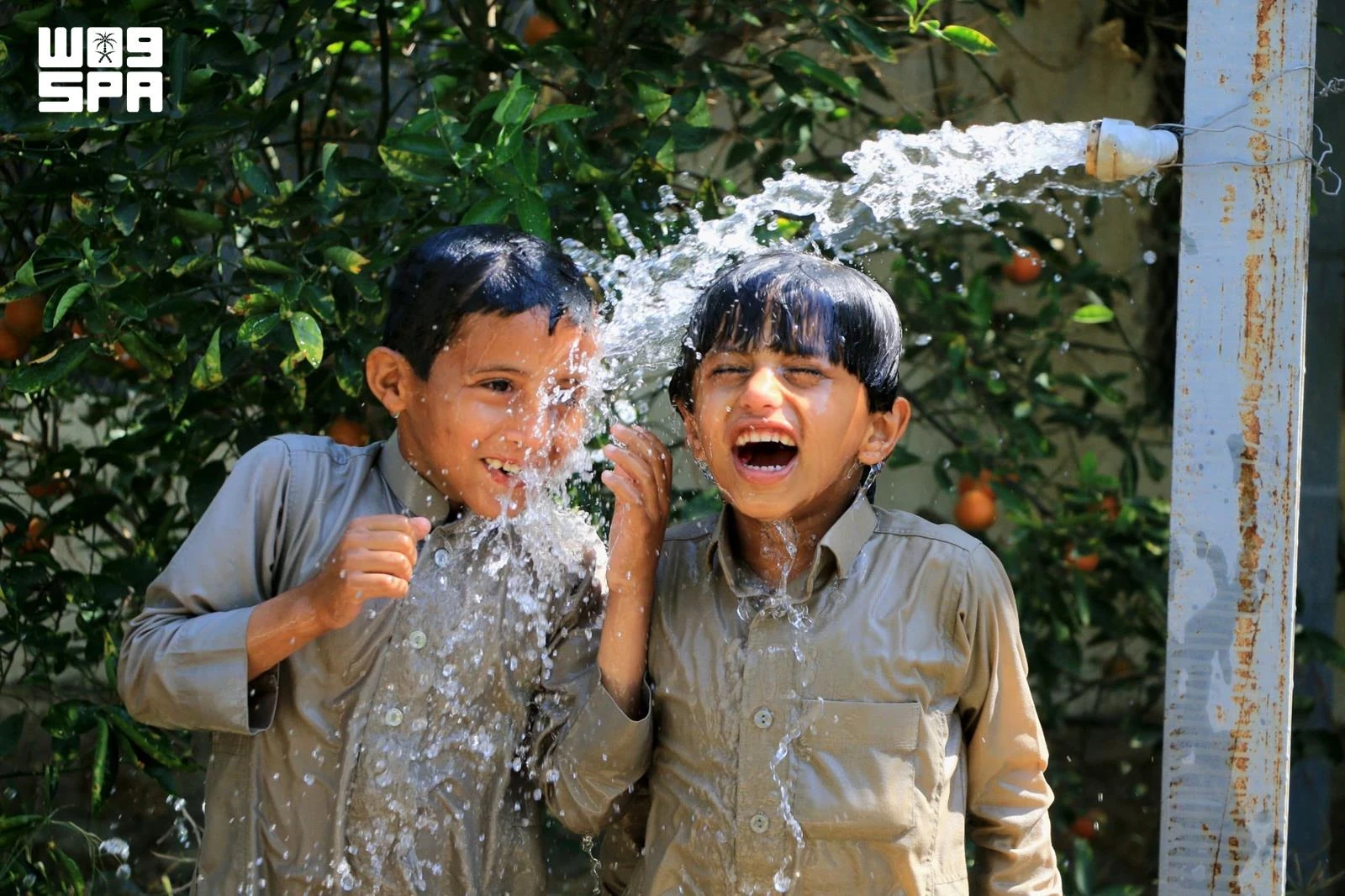
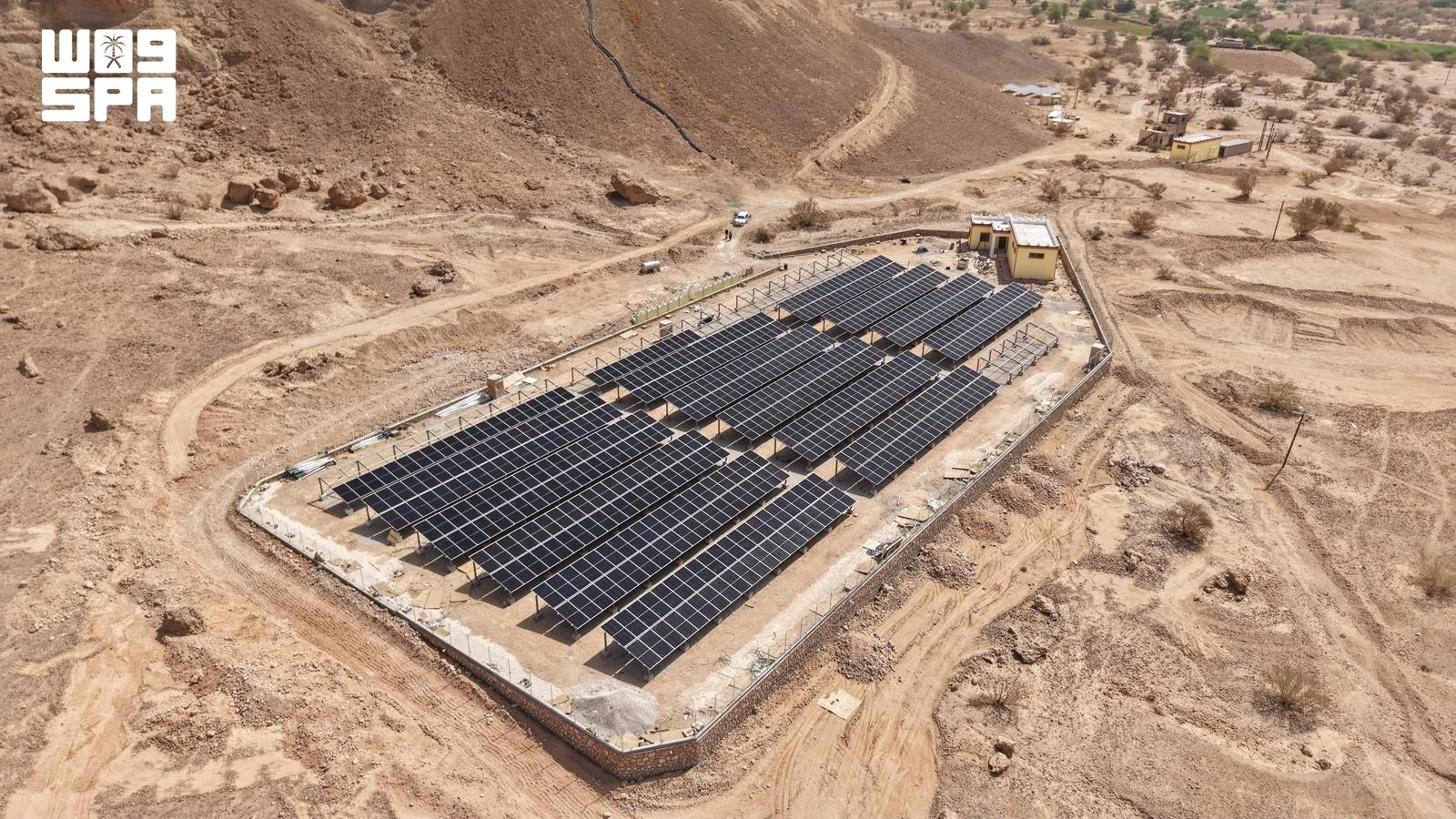
Through the Saudi Development and Reconstruction Program for Yemen, the projects have expanded access to safe drinking water, improved distribution networks and strengthened communities’ resource management.
The projects meet all water needs in Al-Ghaydah, Al-Mahrah Governorate, half of Socotra’s requirements and part of Aden’s needs.
The program builds and upgrades water networks and uses renewable energy to power wells and pumps, reducing operating costs, improving efficiency and extending services to underserved communities.
It also supports agriculture through modern irrigation systems, including drip irrigation, to reduce water waste, boost productivity and strengthen food security.
In Socotra, an integrated water system project aims to diversify freshwater sources, improve supply networks and promote sustainable resource management.
Training programs equip workers and beneficiaries to manage water resources and operate and maintain systems, while awareness campaigns encourage community participation and responsible consumption.
Earlier, the program announced a desalination plant in Aden, described as the first of its kind in Yemen. Using modern technology, it will expand freshwater supplies and ease pressure on existing resources.
The project also includes transferring Saudi expertise and training Yemeni personnel in desalination to strengthen technical capabilities and ensure sustainable services.
The water initiatives are part of 300 development projects across 16 Yemeni governorates, implemented in coordination with the Yemeni government and local authorities.
The projects span eight sectors: education, health, energy, water, transport, agriculture and fisheries, development programs and institutional capacity-building for the Yemeni government.
The Saudi aid agency KSrelief signed a cooperation agreement with Benaa Charity Association for Orphan Care in the Eastern Province to provide emergency assistance to Yemeni refugees in Djibouti.
Ahmed Al-Baiz, KSrelief’s assistant supervisor-general for operations and programs, and Abdullah Al-Khaldi, the association’s CEO, signed the agreement at the agency’s headquarters in Riyadh.
The project will distribute 2,000 shelter kits, 2,000 tents and 10,000 food baskets, benefiting 70,000 people. It aims to improve food security and shelter conditions for refugees affected by recent events in Yemen and ease the burden on their families.
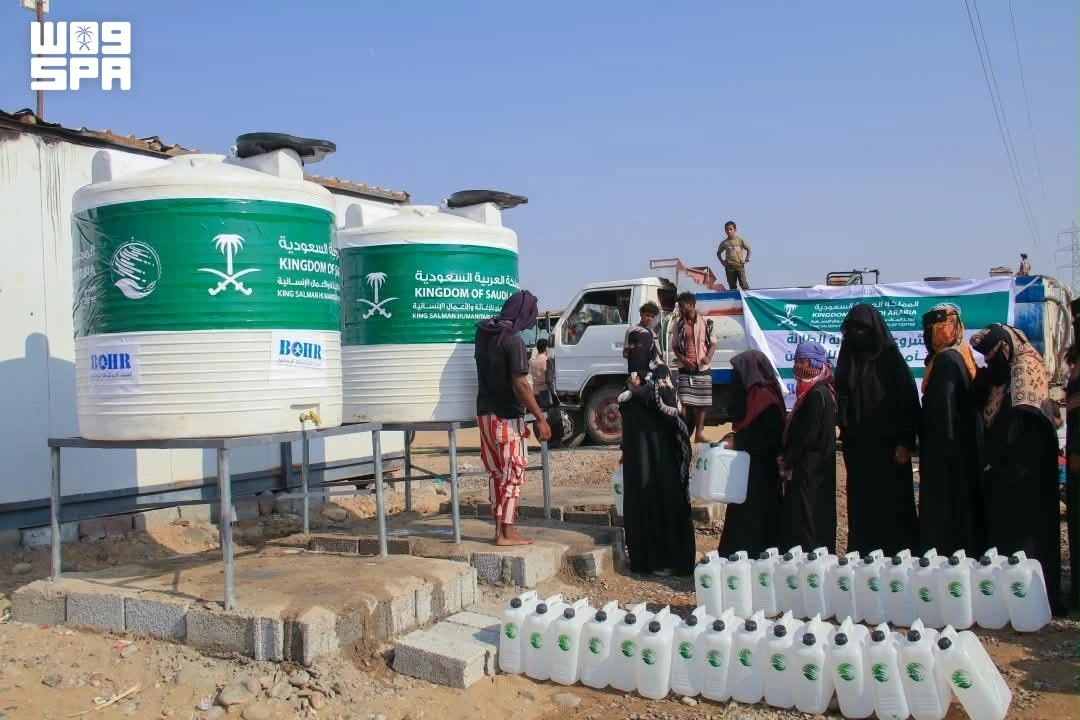
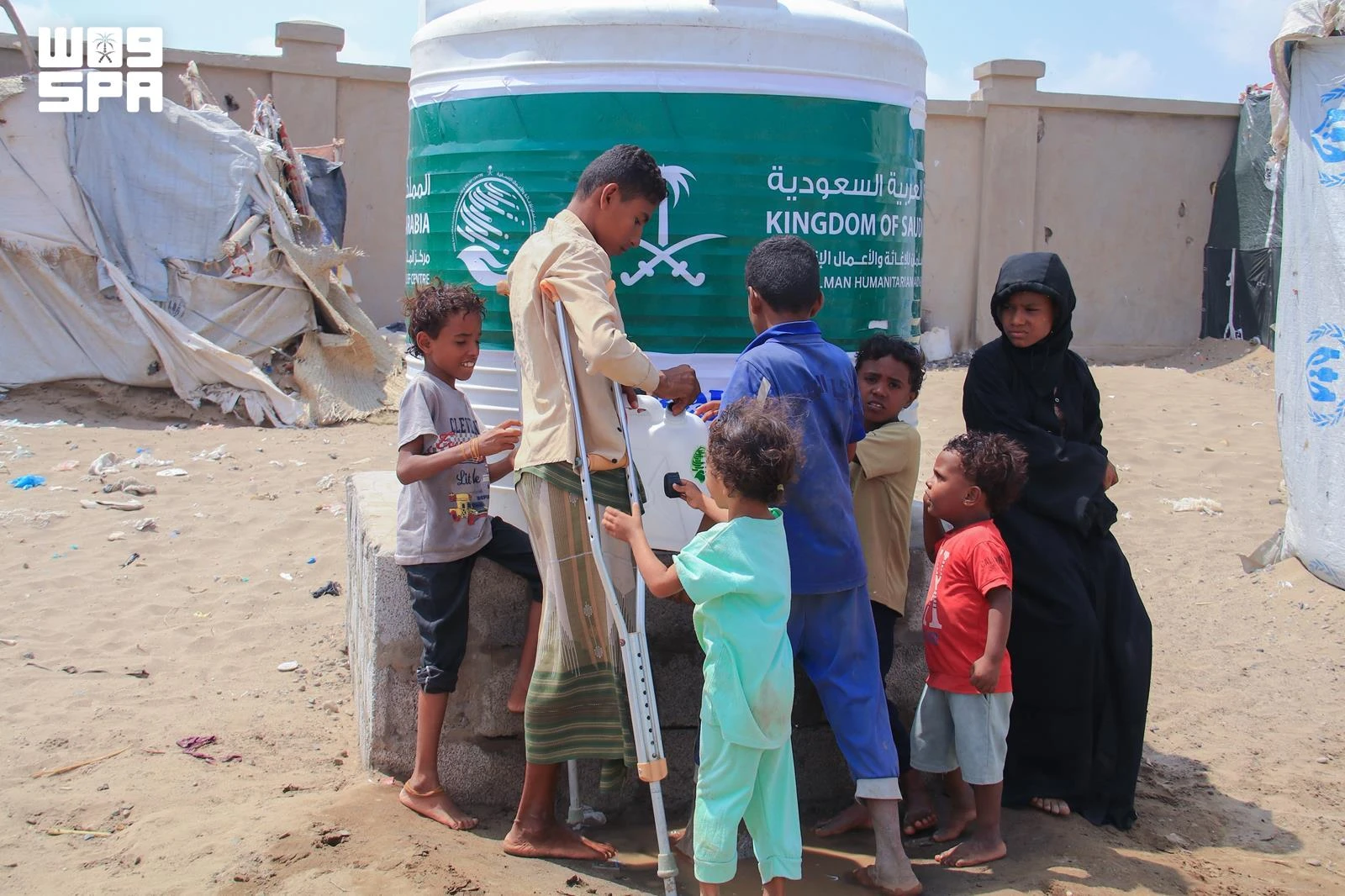
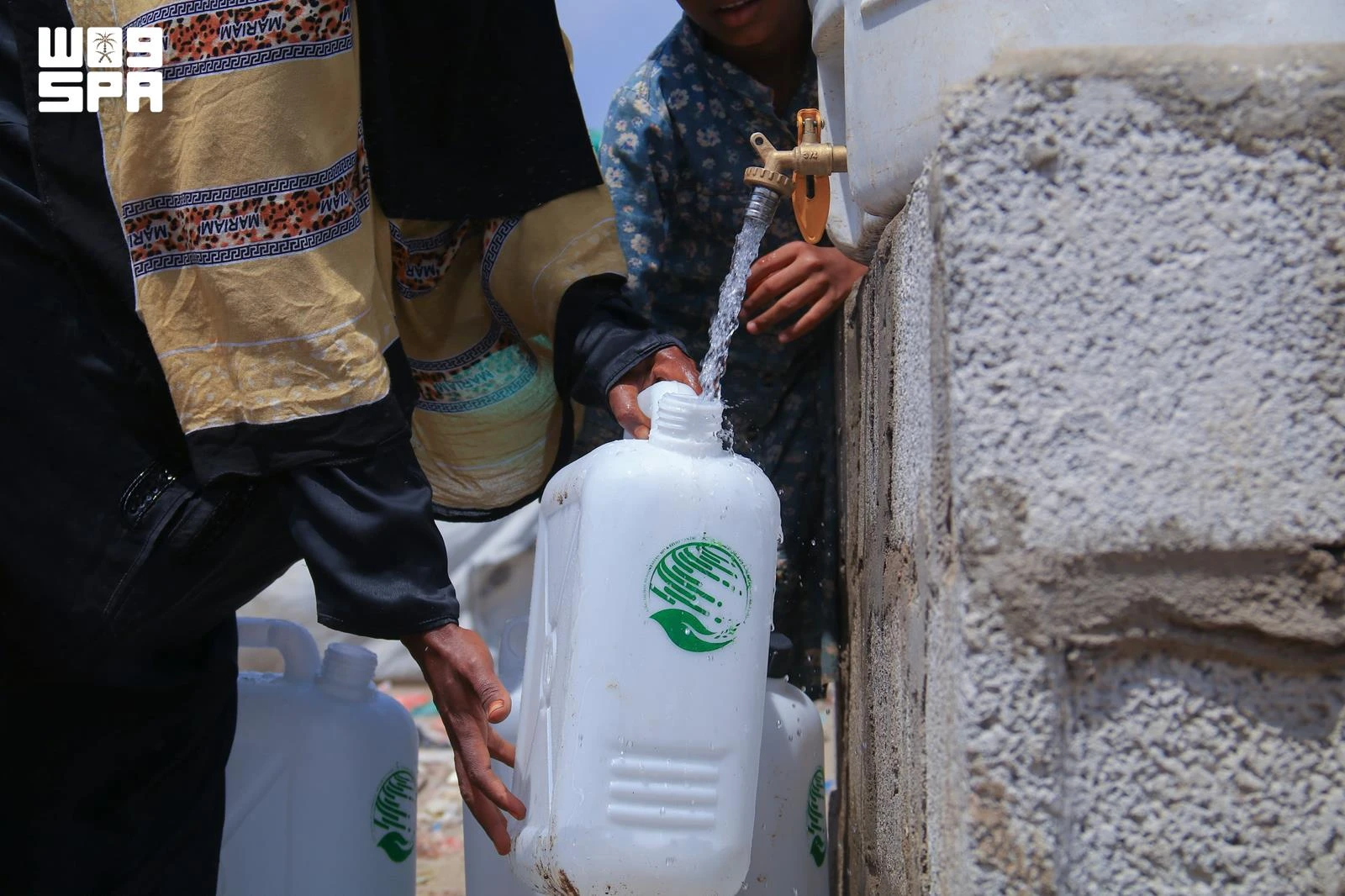
Meanwhile, in Lahj, KSrelief provided safe drinking water through 20 distribution points in Al-Mashqafah, Athirah 1 and 2, Eastern Al-Ribat and Al-Anad camps in Tuban district.
The assistance benefited 3,976 people from 691 families under an emergency project to provide drinking water to displaced people.
The initiatives are part of Saudi Arabia’s development and humanitarian efforts to improve essential services and living conditions for Yemenis.
Yemen is among the world’s most water-scarce countries, with annual water availability of about 150 cubic meters per person — about one-eighth of the Middle East and North Africa average and far below the water-stress threshold of 1,000 cubic meters.
Groundwater is being depleted at twice the rate of replenishment, with water tables falling by up to six meters annually in some areas. More than 17 million people, half of them children, lack adequate access to clean water and sanitation. These figures predate the latest military escalation, which has further strained an already overstretched system.
Displacement has intensified the pressure. According to the International Organization for Migration, 201,217 people had been displaced as of Oct. 7, including 197,755 since Sept. 1. Taiz recorded the highest number, at 114,708, followed by Lahj with 42,264 and Aden with 20,814.
The influx has made access to safe drinking water an urgent public health concern. The World Health Organization recorded 7,784 suspected cholera cases by the end of the 38th week of the year, including cases at two displacement sites in Aden.
Growing humanitarian needs come amid severe funding shortages. The UN refugee agency’s operations in Djibouti and Yemen have received just 15 percent and 18 percent of their respective 2026 funding requirements. Yemen’s humanitarian response plan has received about 20 percent of the funding required.
Saudi Arabia’s support combines long-term development with emergency relief. Established by royal decree in May 2018, the Saudi Development and Reconstruction Program for Yemen focuses on infrastructure and development.
Since its establishment in 2015, Saudi aid agency KSrelief has implemented 1,238 projects in Yemen worth more than $4.82 billion, including 58 water and sanitation projects valued at about $245.9 million.